

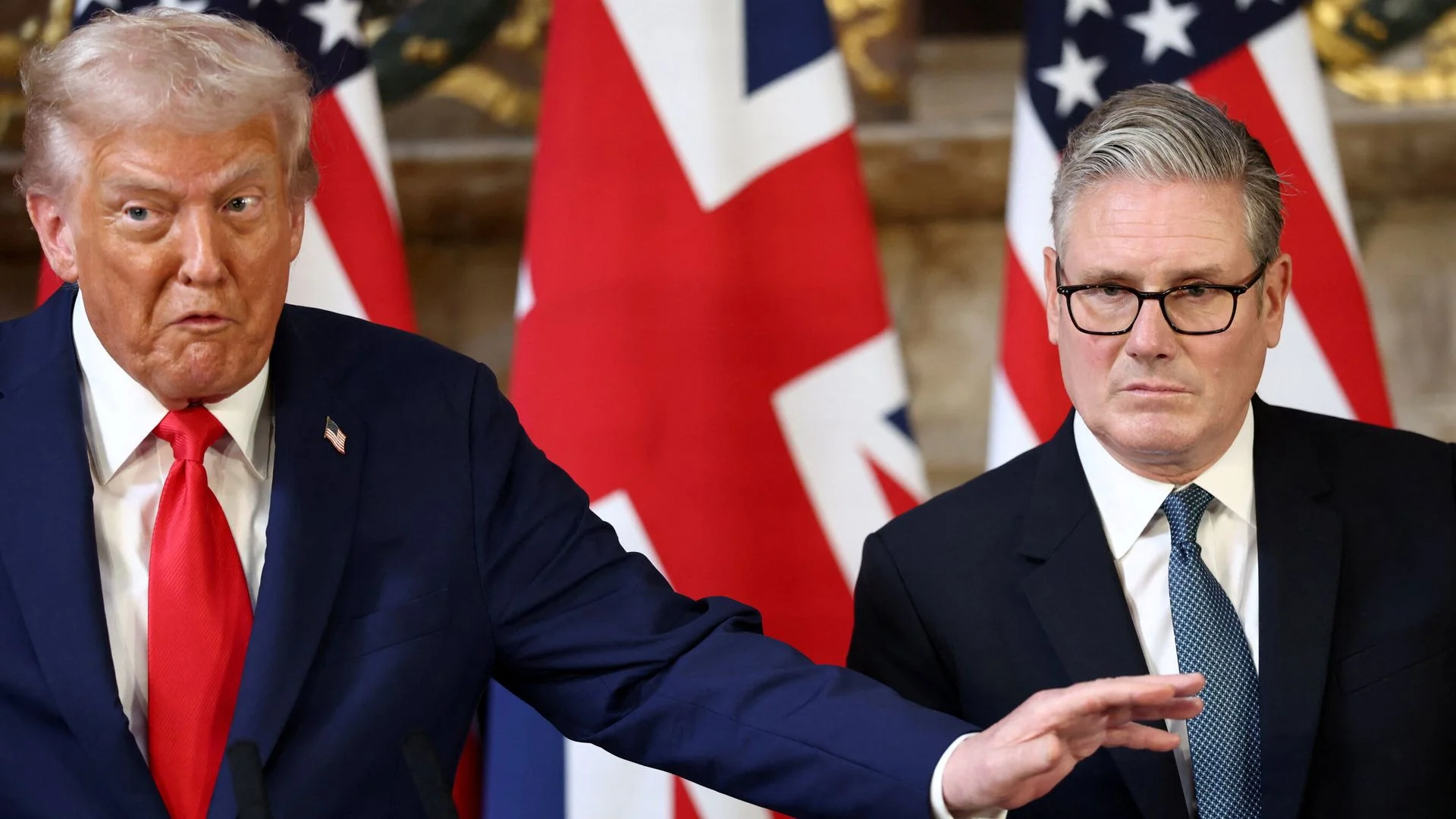
US President Donald Trump launched a sharp public criticism of UK Prime Minister Sir Keir Starmer over the UK’s refusal to permit American planes to use British bases in initial strikes against Iran. This latest exchange deepens tensions in the once-close UK-US “special relationship,” which Starmer has spent significant political capital trying to maintain.
Trump’s Rebuke Highlights Fraying UK-US Relationship
Trump’s remarks condemned Starmer and the UK as a “once Great Ally,” accusing the prime minister of joining conflicts only after victories are secured. This rebuke follows Starmer’s decision to withhold support for US military operations targeting Iran, a stance that has drawn criticism from UK Conservative politicians and international figures.
Shadow Home Secretary Chris Philp accused Starmer of “severely damaging the special relationship,” while Reform UK leader Nigel Farage met with Trump at Mar-a-Lago, likely reinforcing critiques of the UK government within the Trump administration.
Domestic Support Grows Amid Divisions on US Alliance
Former Labour Prime Minister Sir Tony Blair privately criticized Starmer’s refusal to back the US from the outset of the conflict, stating that allies critical to national security should receive unequivocal support. However, many within Labour and beyond view Blair’s stance as a reminder of the controversy surrounding his support for the 2003 Iraq invasion.
Foreign Secretary Yvette Cooper publicly defended Starmer’s approach, emphasizing learning lessons from Iraq and acting in the UK’s national interest rather than automatically aligning with US military actions.
Polling Indicates Public Backing for Starmer’s Stance
Recent polls show a modest increase in Starmer’s popularity since the Iran conflict began. Only 20% of voters support British involvement in air strikes against Iran, suggesting that the prime minister’s cautious stance aligns with public opinion. The government maintains that the core UK-US alliance remains intact despite this diplomatic strain, though the long-term impact on trade, security cooperation, and bilateral agreements remains uncertain.
For more stories on this topic, visit our category page.