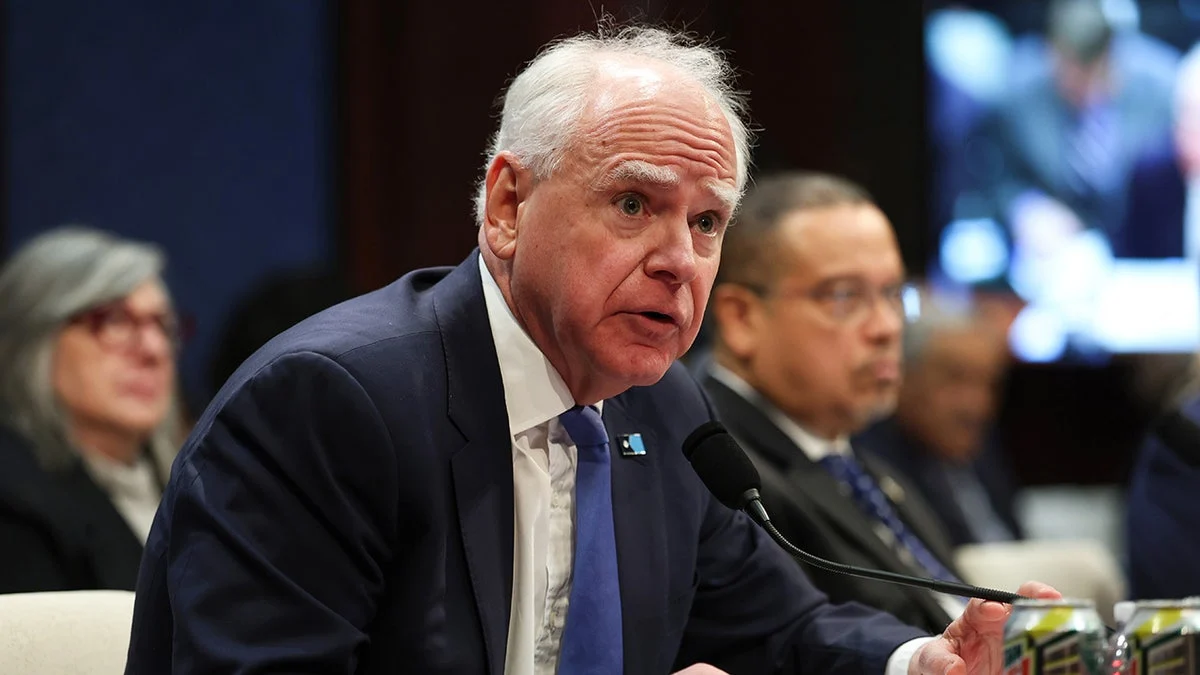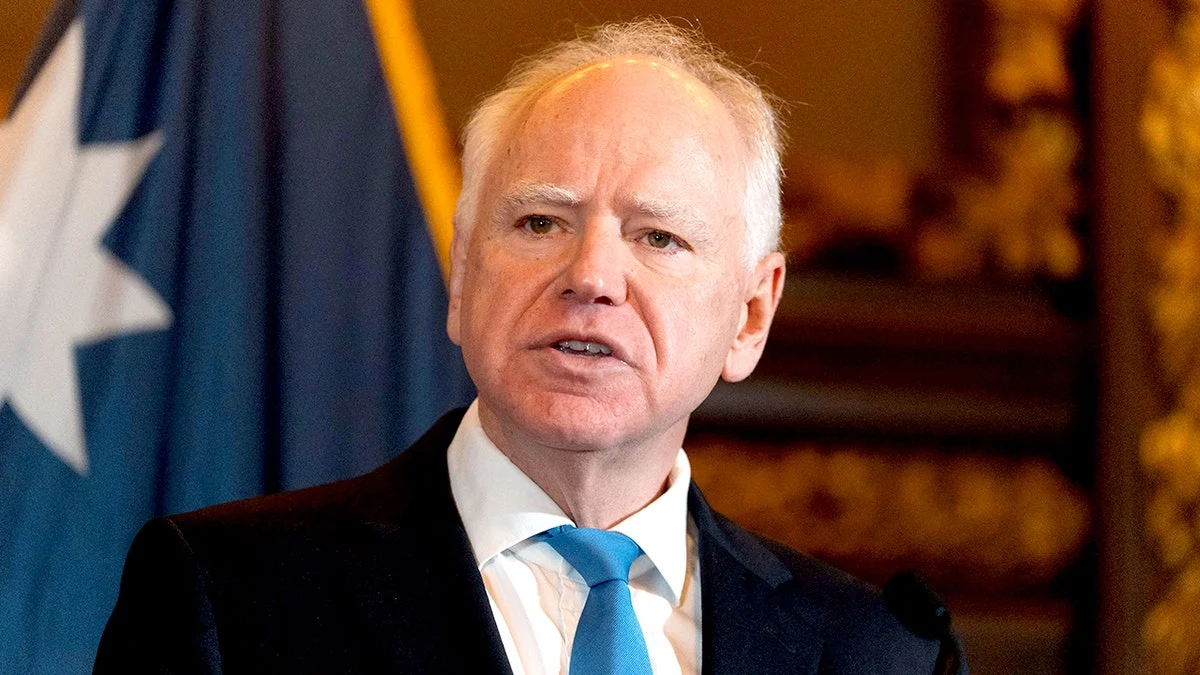
Minnesota’s recently enacted paid leave law, signed by Gov. Tim Walz and effective since January 1, is drawing significant criticism over its effects on businesses and concerns about potential misuse. The law allows workers up to 12 weeks of partially paid leave annually to care for a newborn or sick family member, plus another 12 weeks for their own serious illness, with a combined cap of 20 weeks.
Employers Report Operational Challenges and Potential Abuses
The Minnesota Chamber of Commerce reported to Fox 9 Minneapolis that employers are observing troubling trends under the new law. According to Lauryn Schothorst from the chamber, employees are sometimes pressured to take the full 12 weeks of leave despite not needing that duration for their condition. Other reports include workers earning more from leave benefits than from normal wages and engaging in activities like vacations or attending music festivals while on leave, indicating overuse of the program.
State Sen. Michael Holmstrom corroborated these concerns, noting a 700% rise in paid leave use by a major employer in his district, which has struggled to hire skilled replacements, thereby lowering service levels. Holmstrom characterized Minnesota as “not business-friendly” and criticized the state’s involvement between employers and employees.
Republican Lawmakers Highlight Lack of Oversight and Enforcement
State Sen. Mark Koran also agreed with the chamber’s assessment, warning that the law removes employers from oversight and administration, potentially inviting fraud. Koran described the program as more complex than initially presented, with liberal provisions allowing regular absences that disrupt employer operations.
He projected that these impacts would reduce job availability, wages, and business growth in Minnesota. Social media commentators have echoed these points, arguing that most Minnesota businesses already provided paid leave before the law, making the state mandate unnecessary.
Administrative Structure and Fraud Concerns
The paid leave program is administered by the newly established Minnesota Department of Employment and Economic Development, staffed with over 400 employees. This expansion has alarmed some, given the recent state fraud scandals involving multiple agencies.
Before implementation, critics including policy fellow Bill Glahn predicted the law could enable a “next billion-dollar fraud” due to weak oversight structures. As the program progresses, lawmakers and business groups continue to voice concerns about enforcement and unintended consequences for Minnesota’s economy.
For more stories on this topic, visit our category page.