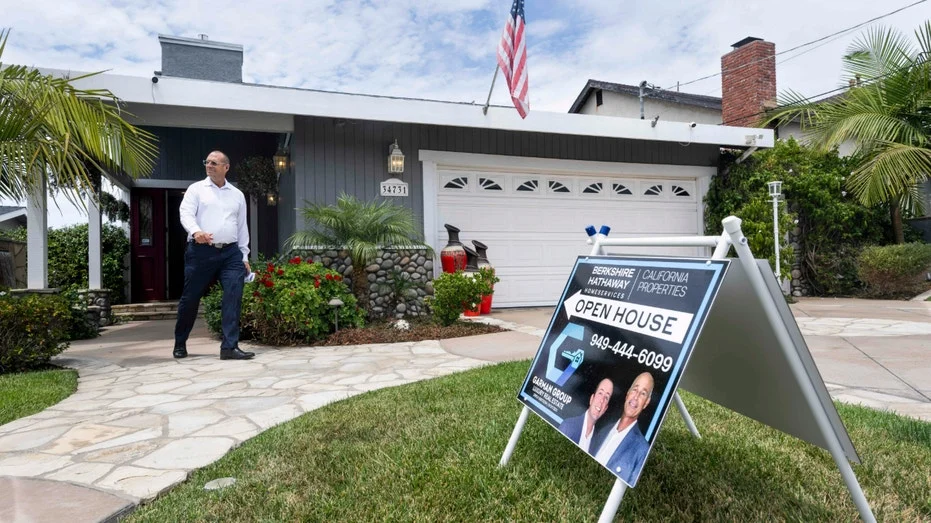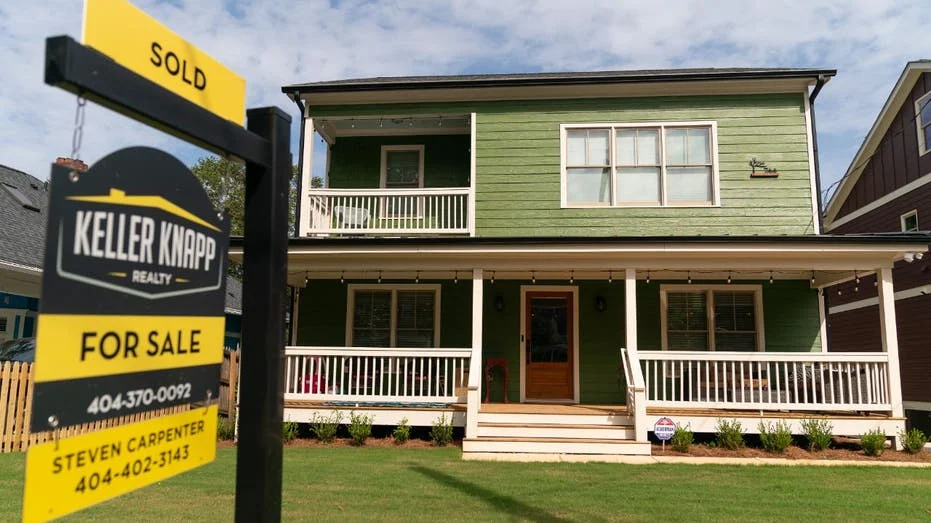
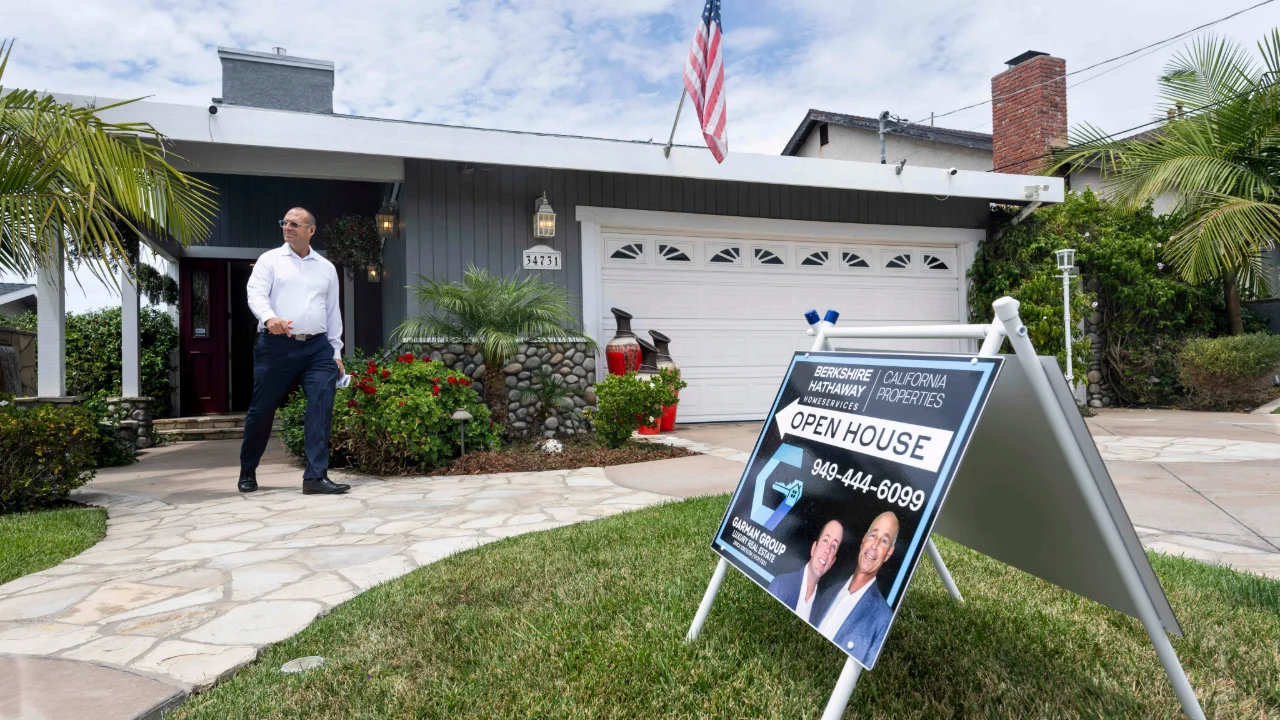
Freddie Mac announced Thursday that the average rate on the benchmark 30-year fixed mortgage increased to 6.11%, up from 6.00% the previous week. This marks the highest level in over a month, reflecting recent market shifts amid geopolitical tensions.
Mortgage Rate Trends and Market Response
The climb in mortgage rates comes as the homebuying market shows resilience. Freddie Mac Chief Economist Sam Khater noted that existing-home sales rose 1.7% in February, and purchase applications increased. He attributed this to buyers adapting to rates that remain more than half a percentage point lower than a year ago, when the 30-year average was 6.65%.
The average rate on 15-year fixed mortgages also edged up to 5.5% from 5.43% last week.
Impact of Inflation and Geopolitical Factors
Mortgage rates closely track the 10-year Treasury yield, which hovered around 4.23% as of Thursday afternoon. The yield has risen partly due to higher oil prices stemming from the conflict in Iran, which has raised concerns about wartime inflation.
Despite weaker-than-expected U.S. jobs data and steady inflation readings in February—unemployment rose to 4.4%, nonfarm payrolls declined by 92,000 jobs, and inflation held near 2.4%—mortgage rates increased. Realtor.com senior economic research analyst Hannah Jones explained that geopolitical risks from the Middle East are currently overriding the usual economic signals that would pressure rates downward.
For more stories on this topic, visit our category page.