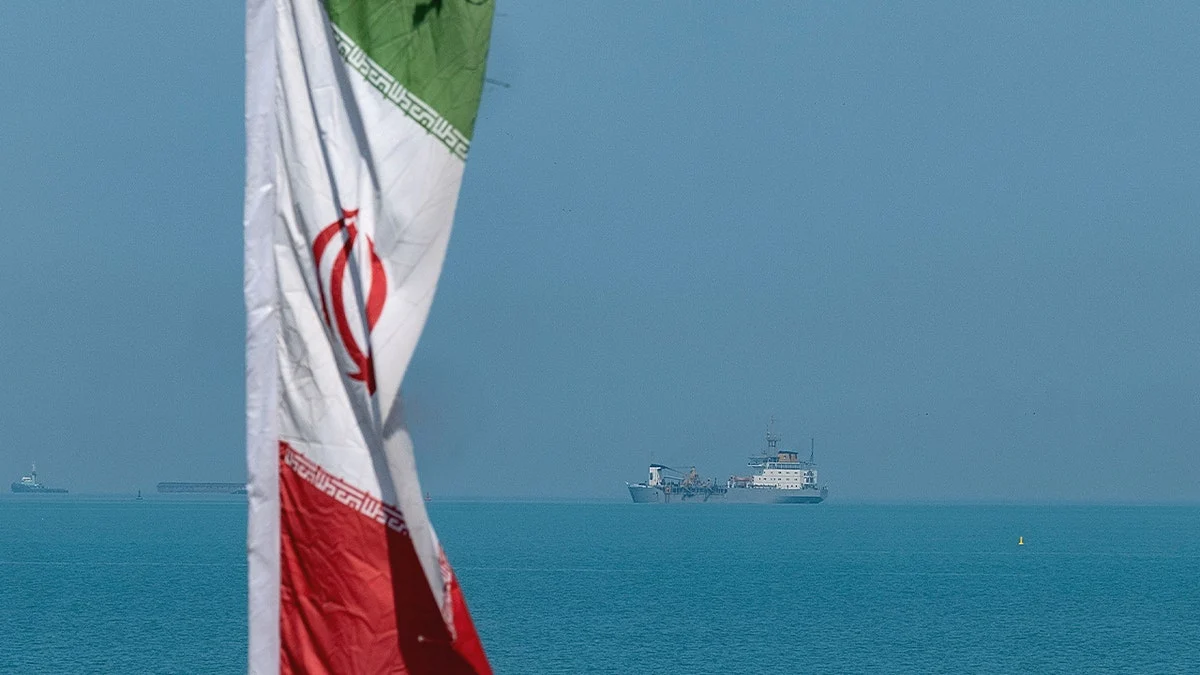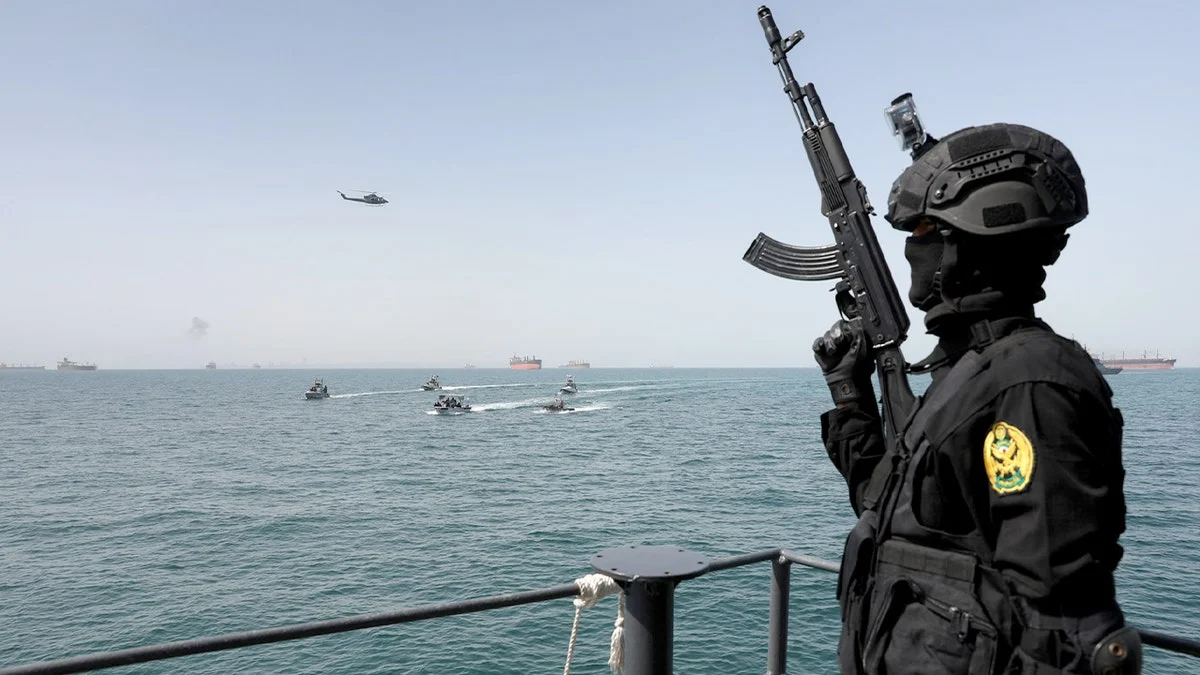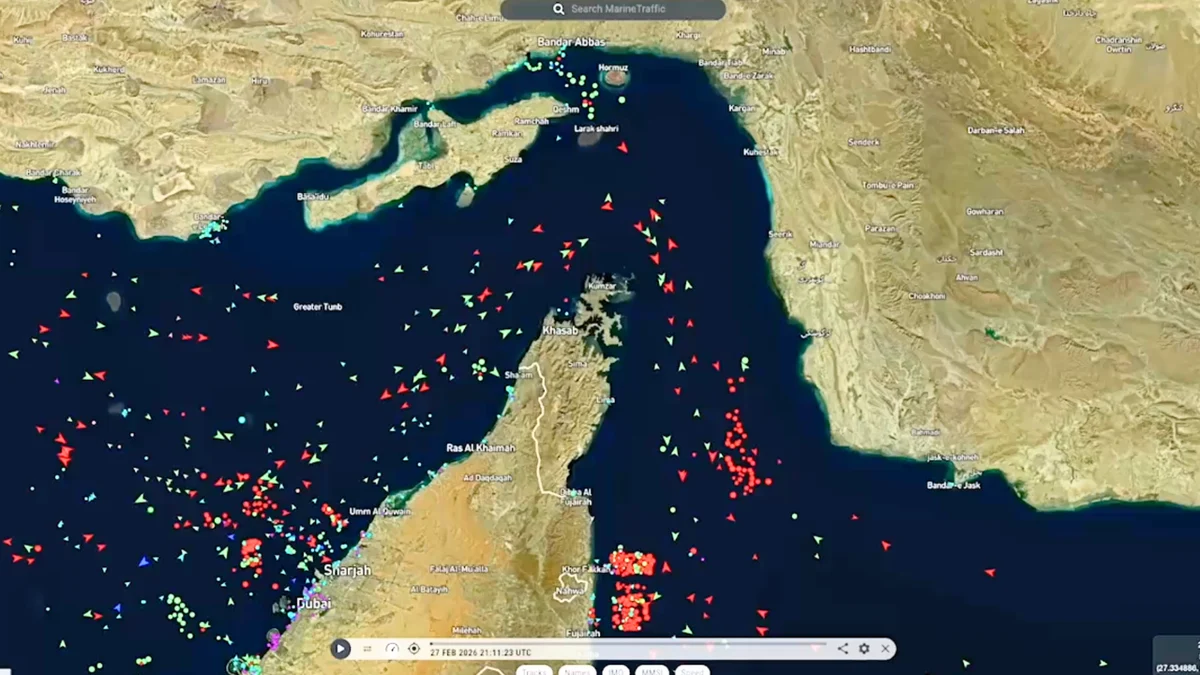
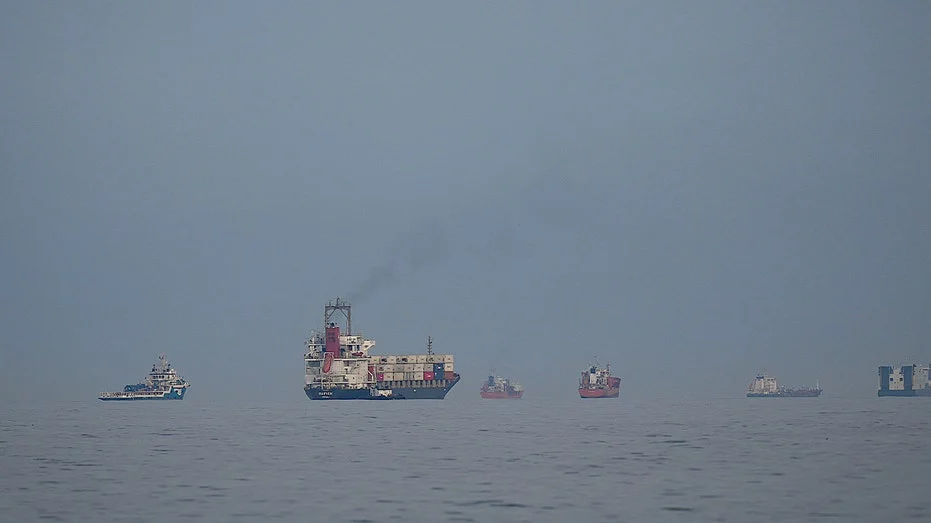
Iran has deployed explosive-laden unmanned surface vehicles (USVs), disguised as wooden fishing boats, in the Strait of Hormuz, marking a new phase in hybrid maritime warfare in this critical shipping lane, defense experts say. The United Kingdom Maritime Trade Operations (UKMTO) confirmed that on March 1, a Marshall Islands–flagged oil tanker was struck by such a USV north of Muscat, Oman. The tanker’s crew was evacuated safely, UKMTO reported.
Escalation of Attacks on Maritime Traffic in the Gulf
Following the initial attack, reports indicate two additional oil tankers were targeted with remote-controlled explosive boats on March 11 in the Gulf. These attacks coincide with the ongoing U.S. Operation Epic Fury against Iran, which started on February 28. Reuters cited sources on March 12 confirming that six vessels had been attacked in the Gulf and Strait of Hormuz area. Iran has also reportedly deployed about a dozen mines, further complicating safe navigation.
U.S. Treasury Secretary Scott Bessent stated that the U.S. Navy, possibly in coordination with an international coalition, would escort ships in the region when militarily feasible. The U.K. Defense Secretary John Healey noted ongoing discussions with European counterparts, underscoring the global economic importance of the Strait.
Technological and Tactical Aspects of Iranian Drone Boats
Cameron Chell, CEO of drone technology firm Draganfly, explained that Iran’s “suicide skiffs” operate using radio remote control with features such as line-of-sight communication, frequency hopping, and encrypted signals between the boats and the shoreline. These small boats, measuring between 12 to 30 feet, are hard to detect among regular fishing vessels and can be remotely controlled in swarms by a single operator or pre-programmed for autonomous operations with limited independence.
The boats are designed to ram target vessels and explode on impact. Chell warned that current U.S. Navy drone defense systems are not optimized to counter large numbers of such small, fast, and low-cost boats, which would require extensive aerial surveillance and rapid response capabilities to neutralize effectively. The geographic layout of the Strait, only 21 miles wide at its narrowest point, favors the use of these asymmetric tactics.
Strategic Significance amid Rising Tensions
As Iran’s Supreme Leader Mojtaba Khamenei pledged to keep the Strait closed to pressure the U.S. and Israel, oil prices have risen due to concerns over the security of maritime traffic. Experts emphasize Iran’s geographic advantage in leveraging inexpensive and difficult-to-detect unmanned systems to disrupt a vital global oil shipping route.
For more stories on this topic, visit our category page.