
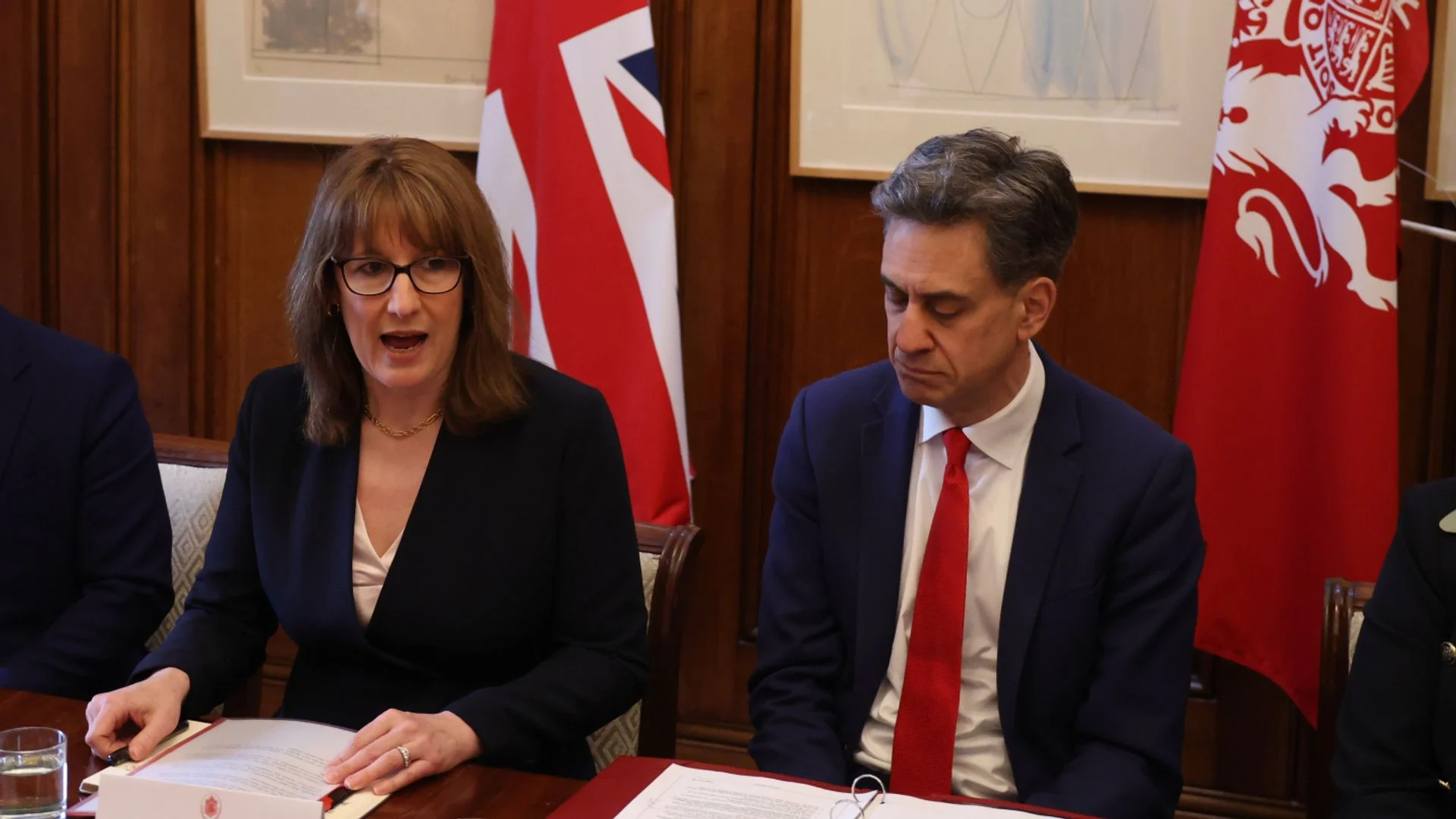
Chancellor Rachel Reeves and Energy Secretary Ed Miliband warned petrol retailers of a “shared obligation” to keep fuel prices down amid rising costs linked to the Middle East crisis. The meeting took place at 11 Downing Street on March 13, 2026, addressing concerns about the impact of soaring petrol prices on household budgets.
Meeting Held After Petrol Retailers’ Initial Threat to Withdraw
The Petrol Retailers Association (PRA) initially threatened to pull out of the meeting, citing “inflammatory language” from government officials that had increased abuse toward forecourt workers. The meeting proceeded only after assurances it would be held largely in private. PRA representative Gordon Balmer stated the government did not apologize for the language used but described the discussion as “very constructive.”
Executives from major firms, including Asda, BP, ExxonMobil, and Shell, attended the talks where Mr. Miliband emphasized the government would not tolerate “unfair practices” in the industry.
Fuel Prices Rise Amid International Tensions and Policy Decisions
The RAC reported that the average price of unleaded petrol rose by 8 pence per liter since the crisis began, reaching its highest level in 18 months at 140.60p. Despite concerns, Chancellor Reeves has not reversed plans to phase out the existing 5p fuel duty cut, with a 1p increase scheduled for September 2026.
The government has also asked the competition watchdog to investigate “rip-off” fuel pricing and promised to intervene against unfair practices affecting consumers, particularly regarding home heating oil prices not covered by energy price caps.
Industry and Consumer Responses
Following the meeting, Mr. Balmer said the PRA and government would continue working collaboratively in motorists’ interests. Meanwhile, the AA issued a warning that consumers will face inevitable price increases due to global supply pressures and urged the government to delay planned fuel duty hikes.
For more stories on this topic, visit our category page.