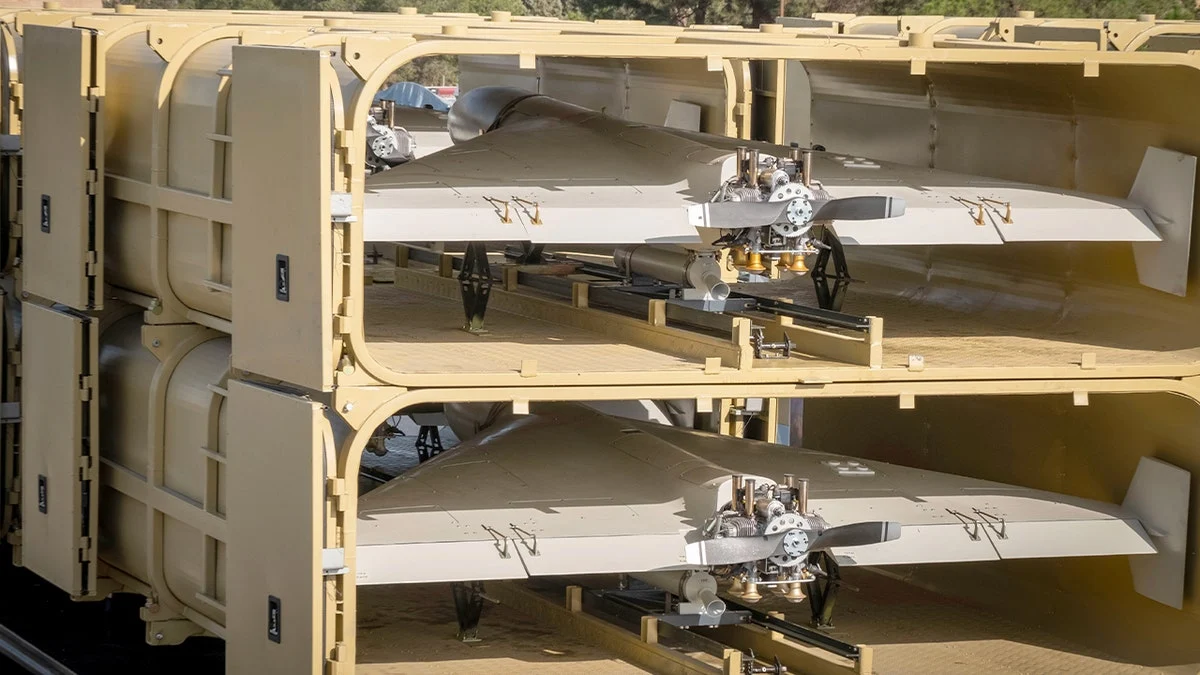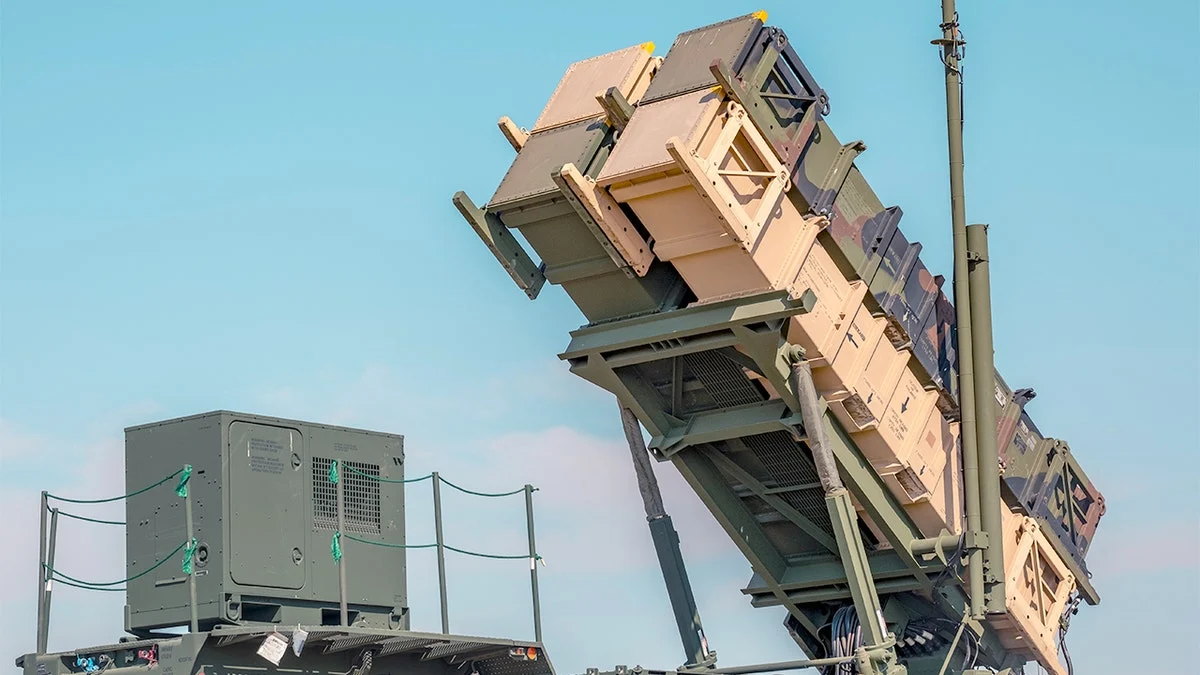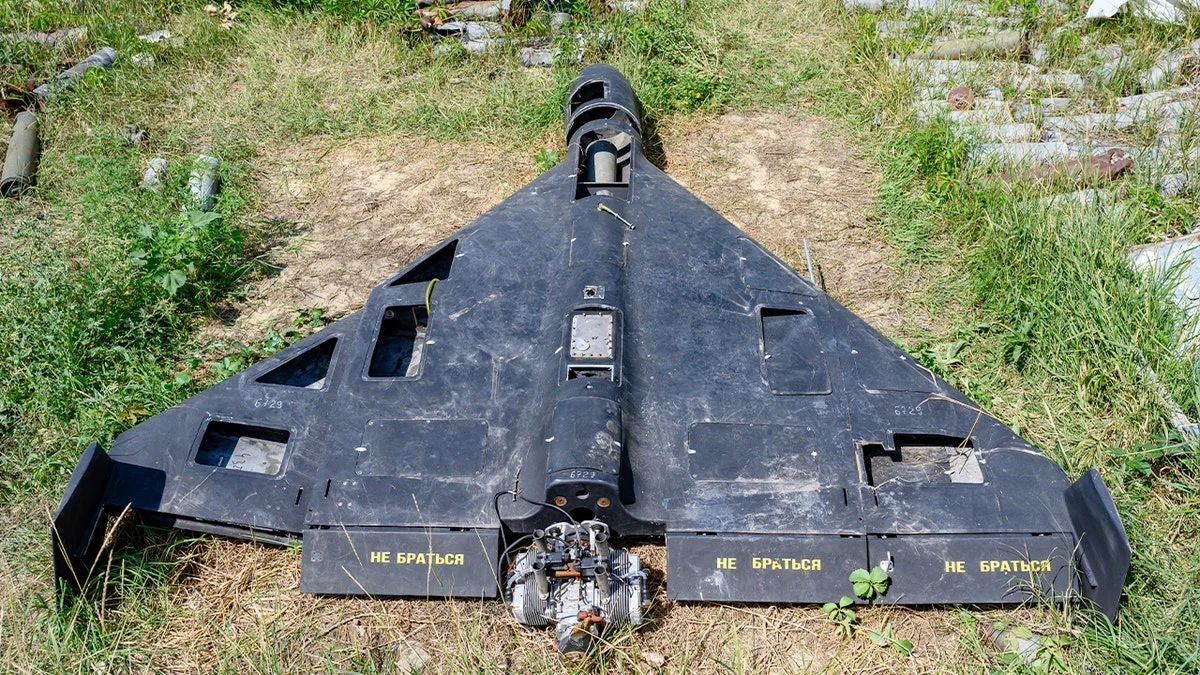
As Iranian-made Shahed drones continue to target U.S. forces and Gulf allies, the reliance on expensive American air defense systems has raised concerns about sustainability. U.S. and partner forces have used Patriot missiles, THAAD batteries, and naval interceptors to defend against these drones, which cost between $20,000 and $50,000 each to produce. Despite successful interceptions, drone strikes have killed six U.S. service members in Kuwait and damaged civilian infrastructure in the UAE and Bahrain.
Ukraine Develops Cost-Effective Interceptor Drones
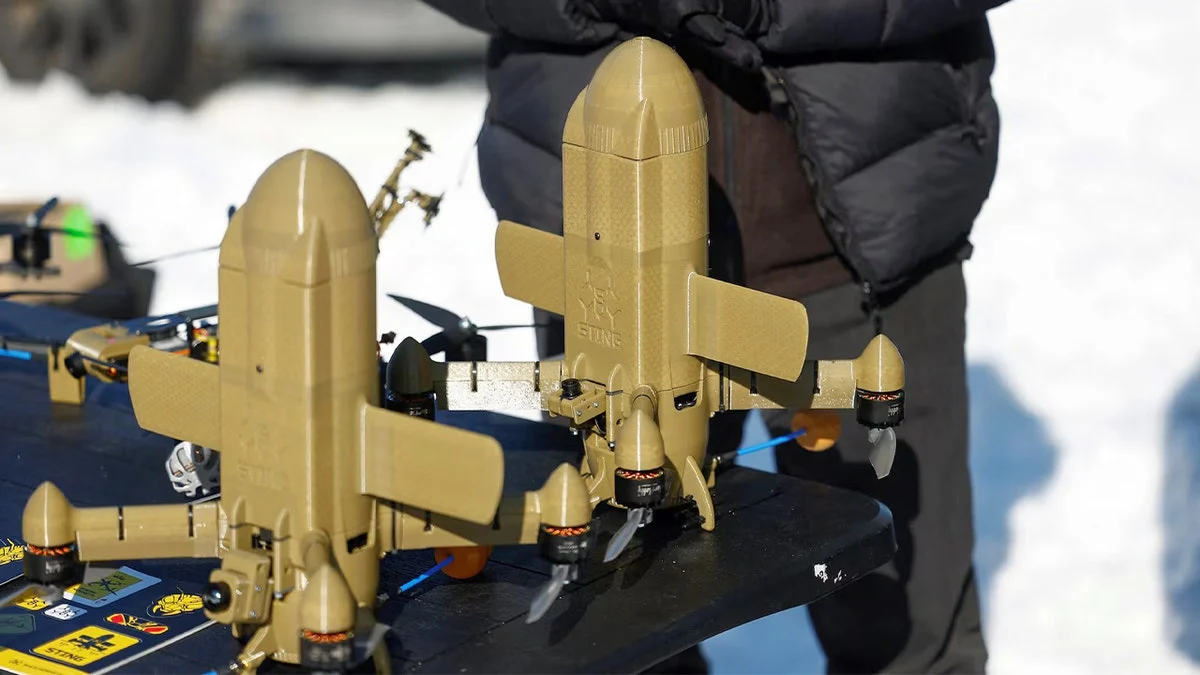
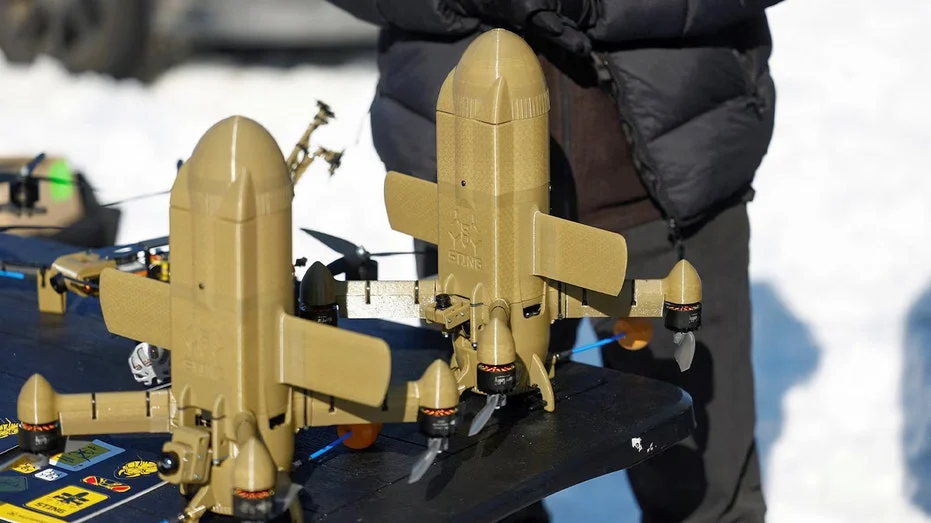
Ukraine, which has rapidly advanced its drone warfare capabilities since the 2022 Russian invasion, has developed interceptor drones offering a cheaper alternative to conventional systems. Wild Hornets, a Ukrainian miltech nonprofit, produces “Sting” interceptors that can be manufactured for about $1,400 each—significantly less than a Patriot missile, which costs around $4 million. Wild Hornets reports these interceptors have achieved a 90% success rate against Shahed drones, up from approximately 70% last fall.
Alex Roslin, a spokesperson for Wild Hornets, said Ukrainian forces turned to drones to equalize battlefield capabilities during the conflict with Russia. The group’s interceptor drones have successfully downed thousands of Russian-made Shahed-type UAVs.
International Interest and U.S. Cooperation
The Financial Times reported that the Pentagon and at least one Gulf government are negotiating to acquire Ukrainian interceptor drones amid ongoing Iranian drone attacks. Ukrainian President Volodymyr Zelenskyy announced that Kyiv is sending teams of experts and military personnel to three Gulf countries to assist in countering Tehran’s drone threats. Zelenskyy emphasized the importance of Ukrainian pilots and specialized software alongside interceptor drones.
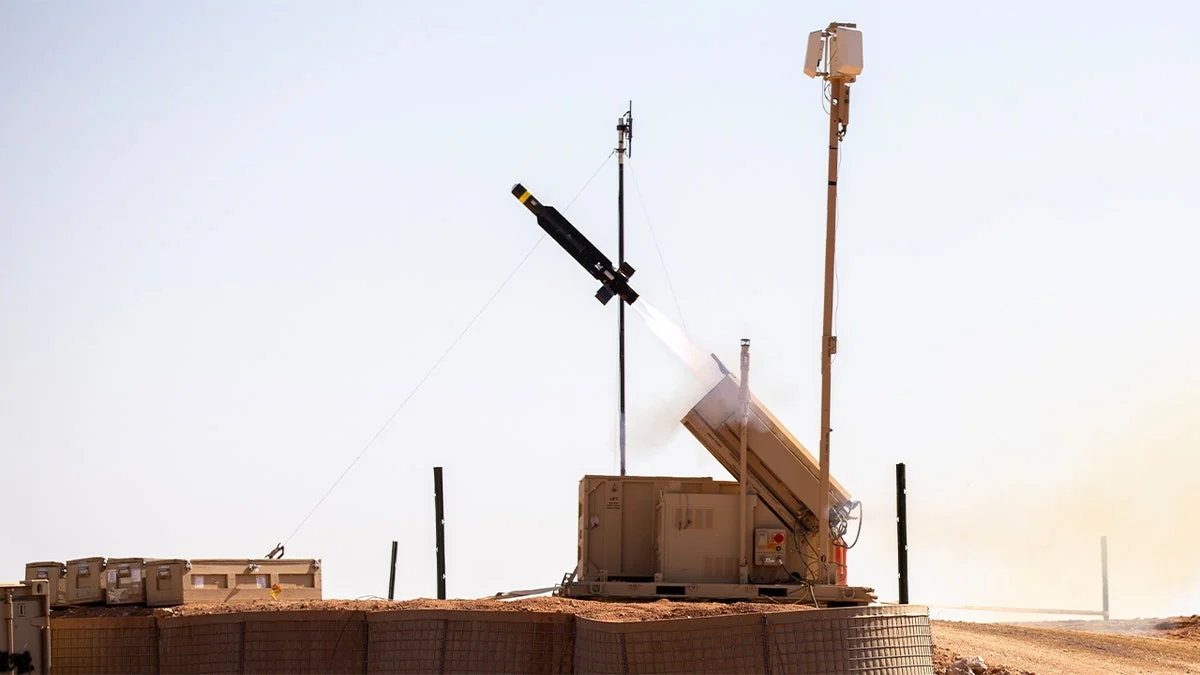
Tom Karako, director of the Missile Defense Project at the Center for Strategic and International Studies, noted that in drone defense, capacity is often a greater concern than cost. He cited examples of other lower-cost U.S. counter-drone systems like the Coyote interceptor and Army’s LIDS that complement high-end systems such as the Patriot.
As Iranian drone attacks expand, analysts highlight a growing debate on whether expensive traditional air defenses can sustain protection against mass, low-cost aerial threats.
For more stories on this topic, visit our category page.