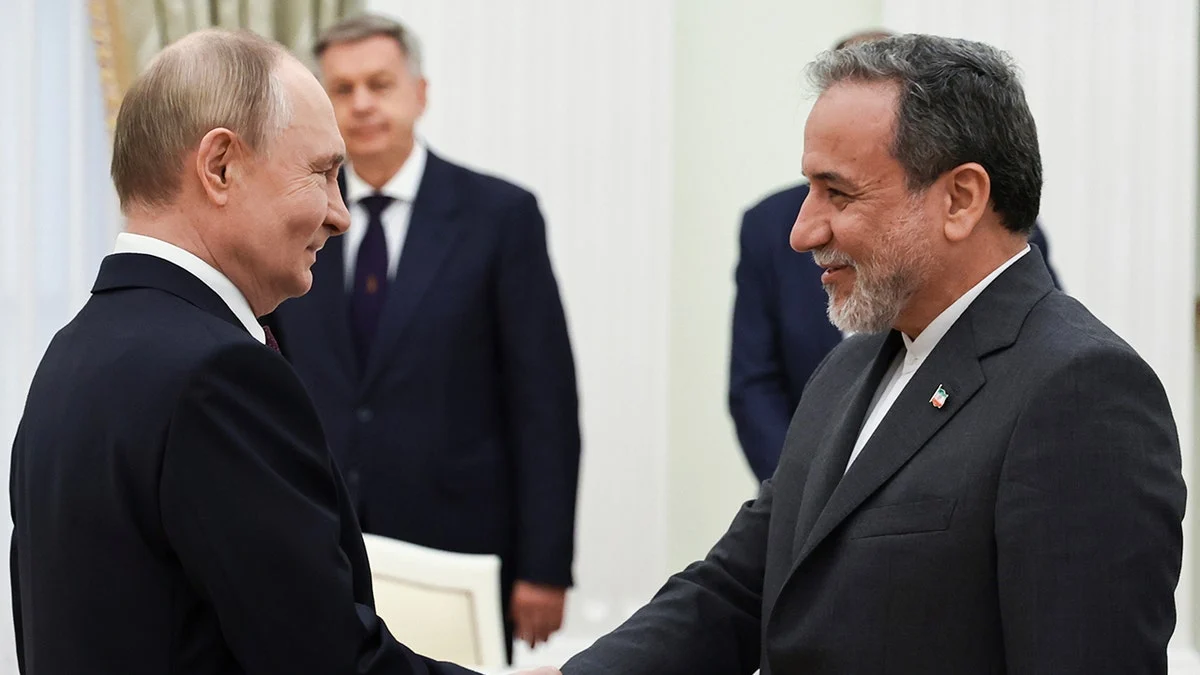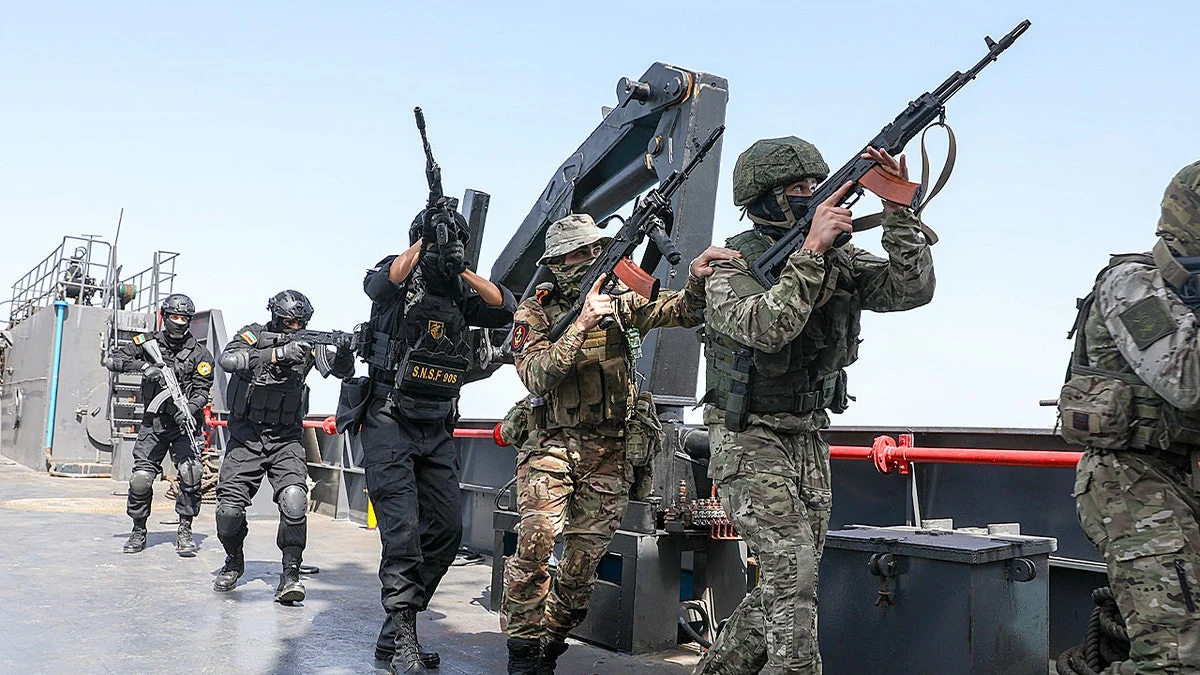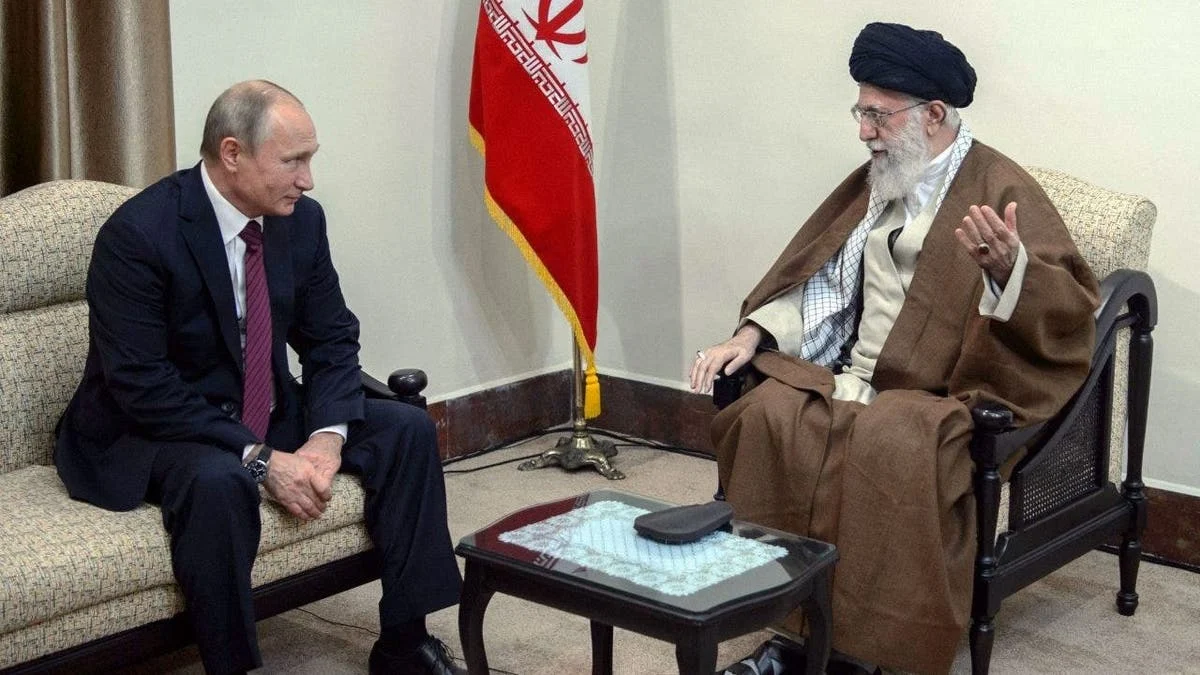
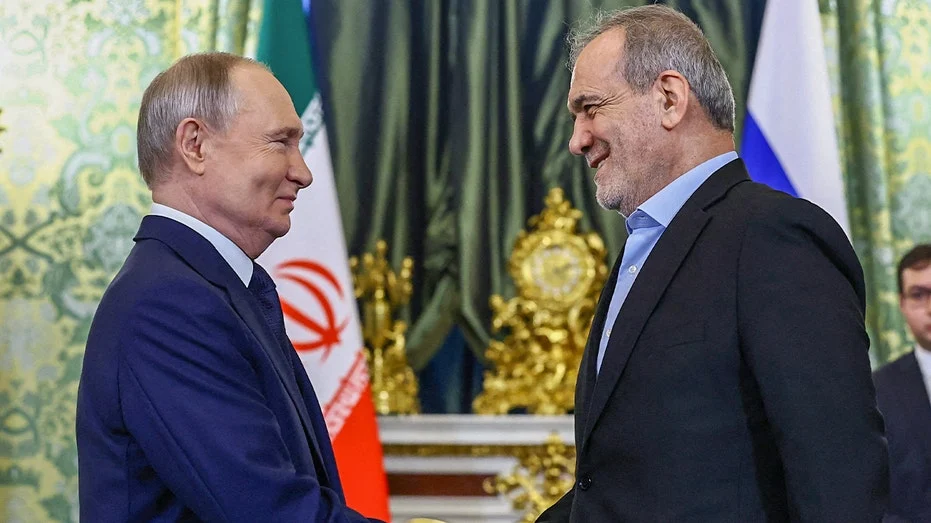
In March 2026, Russia maintained a restrained response to the U.S.-Israeli campaign against Iran’s leadership, with Kremlin officials confirming no military assistance requests from Tehran despite a 20-year strategic partnership treaty signed last year. Kremlin spokesman Dmitry Peskov told reporters on March 5 that, “There were no requests from Iran in this case.”
Transactional Nature of Russia-Iran Relations
Analysts characterize the Russia-Iran relationship as fundamentally transactional rather than a full alliance. Ksenia Svetlova, executive director of the Regional Organization for Peace, Economy and Security and Chatham House associate fellow, noted that Russia acts primarily in its own interests. Although ties have strengthened following Russia’s 2022 invasion of Ukraine, the partnership remains shaped by convenience, shifting geopolitical needs, and mutual wariness.
The relationship’s roots trace back nearly two centuries to the 1828 Treaty of Turkmenchay, which saw Persia cede Caucasus territory to the Russian Empire, leaving a lasting impact on Iranian political memory. In the 20th century, Moscow held stable relations with Iran under the Shah but was suspicious of the Islamic Republic after the 1979 revolution. Even during the Iran-Iraq War, the Soviet Union simultaneously supported Iran and Iraq, reflecting continuing distrust.
Military Cooperation and Limits in the Ukraine War
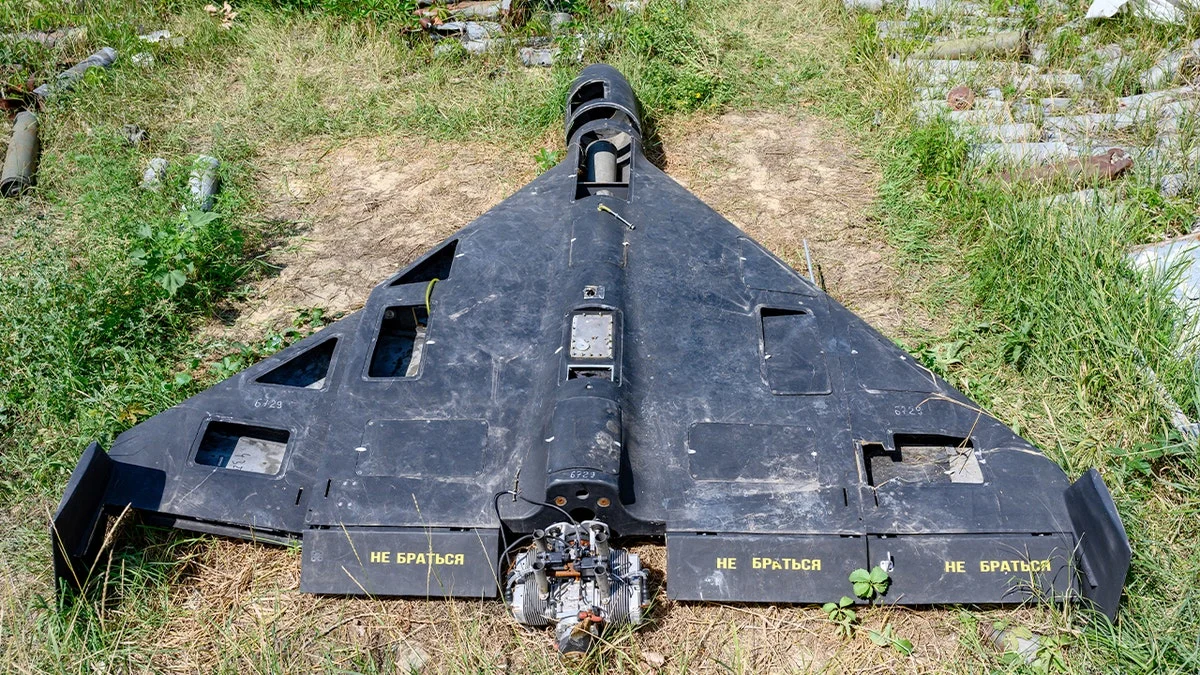
In recent years, military cooperation increased as Iran supplied Shahed-series drones used by Russia in its invasion of Ukraine. Vice Adm. Robert S. Harward, former deputy commander of U.S. Central Command, highlighted the devastating use of Iranian drones against Ukrainian infrastructure and civilian sites, including churches. However, Russia has started mass-producing these drones domestically under the name Geran-2, reducing reliance on Iranian imports.
This dynamic highlights contradictions in Moscow’s stance: Russia continues offensive operations in Ukraine using Iranian technology while calling for diplomacy in the Iran conflict. Former U.S. officials, including Carrie Filipetti and War Secretary Pete Hegseth, criticized Russia’s dual approach and urged Moscow to avoid further involvement in the escalating Middle East tensions.
For more stories on this topic, visit our category page.