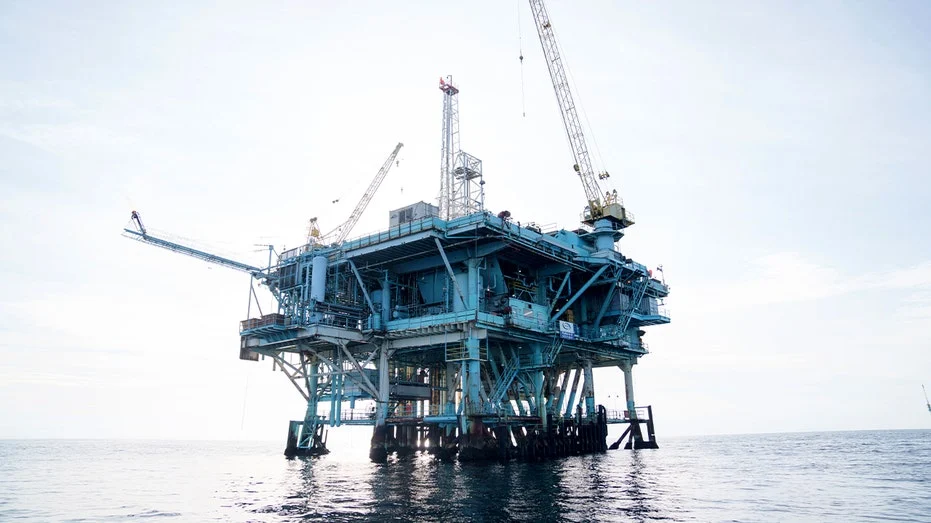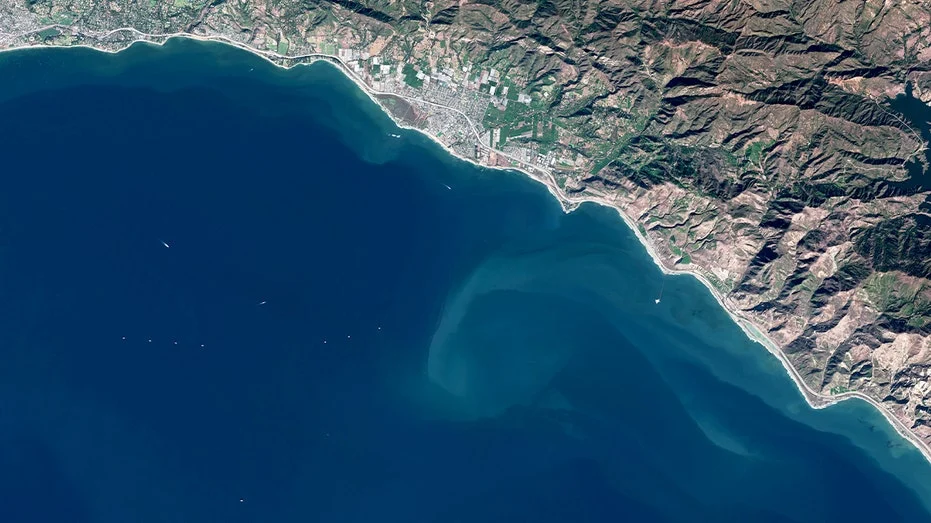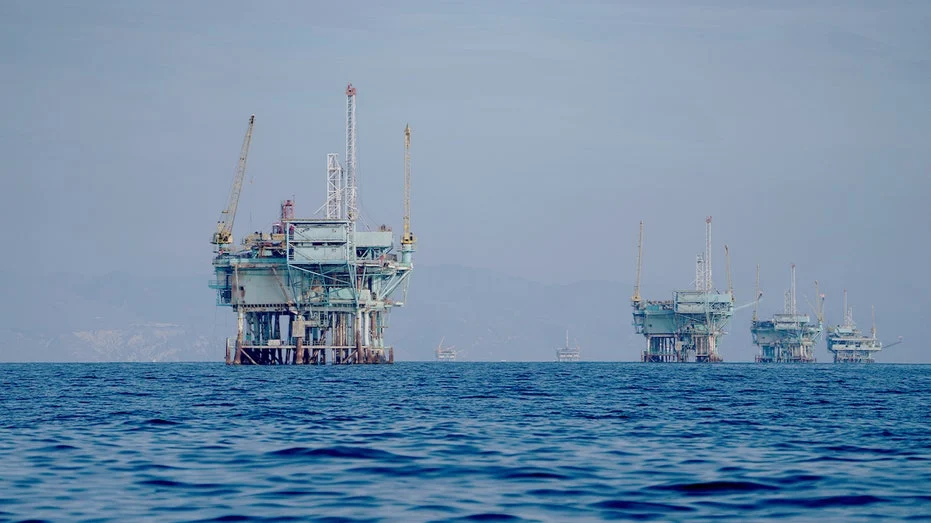
The Trump administration invoked the Defense Production Act to direct Sable Offshore Corp. to resume oil production and pipeline operations off the coast of Santa Barbara, California. Energy Secretary Chris Wright issued the order on Friday to address potential disruptions in oil supply and reduce reliance on imported crude oil.
Key points
Details
Sable Offshore’s Santa Ynez Unit and the associated pipeline system, which had been shuttered, are expected to produce approximately 50,000 barrels of oil per day. The move could increase California’s in-state oil output by around 15%, replacing an estimated 1.5 million barrels of foreign crude each month. The order emphasizes restarting oil flow through the Las Flores Pipeline System to Pentland Station, a key transportation hub for offshore oil moving to refineries and interstate pipelines.
The Department of Energy (DOE) highlighted that California’s domestic oil production has declined significantly due to state policies, despite its historically high fuel demand. Currently, more than 60% of the oil refined in California is sourced from overseas, much of it transported through the Strait of Hormuz, which DOE describes as a national security concern.
Energy Secretary Wright stated that the directive will “strengthen America’s oil supply” and restore a vital pipeline system that supports military readiness on the West Coast. The order is backed by authorities delegated through the Defense Production Act and related executive orders to ensure efficient delivery of domestic offshore oil to refineries.
However, California Governor Gavin Newsom criticized the order, calling it “reckless and illegal,” and pledged to challenge it in court. Newsom argued that restarting the pipeline would have minimal impact on global oil prices and raised concerns about environmental risks, citing a 2015 spill near Refugio State Beach that released over 140,000 gallons of crude oil. He warned against sacrificing California’s coastal communities and economy for what he called a federally driven agenda.
The dispute highlights ongoing tensions between federal and state policies on energy production and environmental protection.
For more stories on this topic, visit our category page.