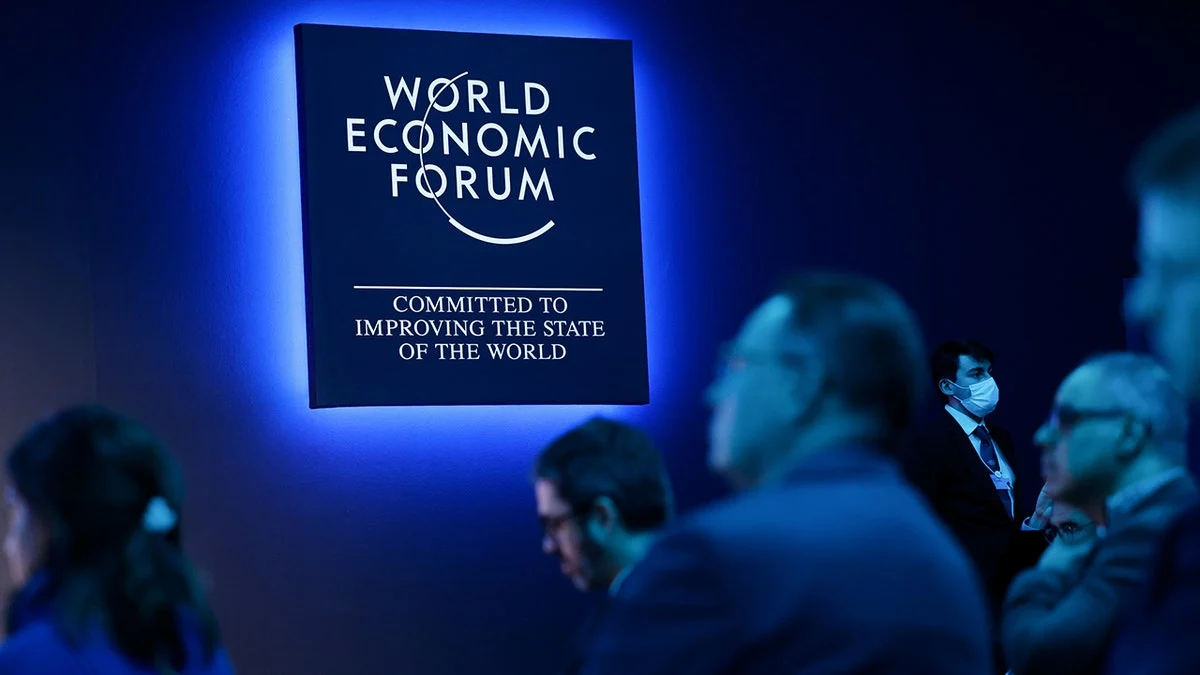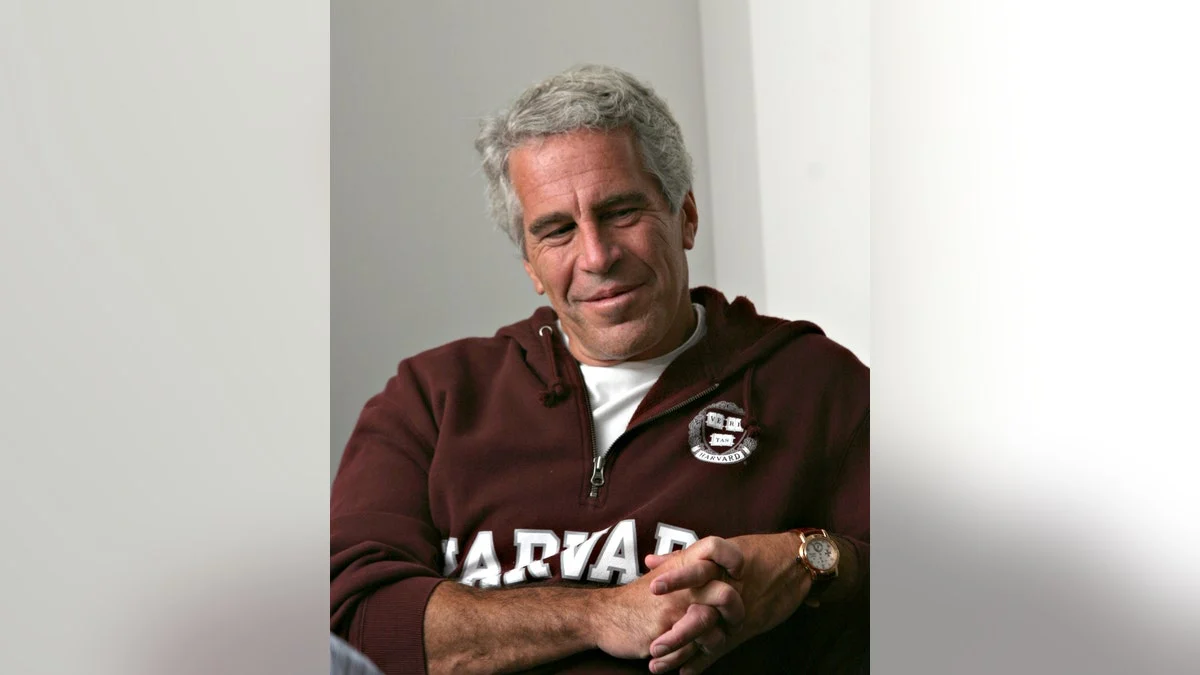

World Economic Forum (WEF) President and CEO Børge Brende resigned on February 26 following an independent investigation that revealed his attendance at three dinners with convicted sex offender Jeffrey Epstein, along with email and SMS communications. Brende stated he was unaware of Epstein’s criminal background and said he would have declined invitations had he known.
Investigation and Resignation Details
The independent inquiry took place earlier in February 2026 after details emerged about Brende’s interaction with Epstein, who died in 2019. Despite Brende’s denial of prior knowledge of Epstein’s offenses, critics pointed out that Epstein’s 2008 conviction would have been publicly accessible information, especially given Brende’s previous role as Norway’s foreign minister from 2013 to 2017. Observers argued that a person in such a public and diplomatic position should have exercised greater caution.
WEF’s Recent Controversies
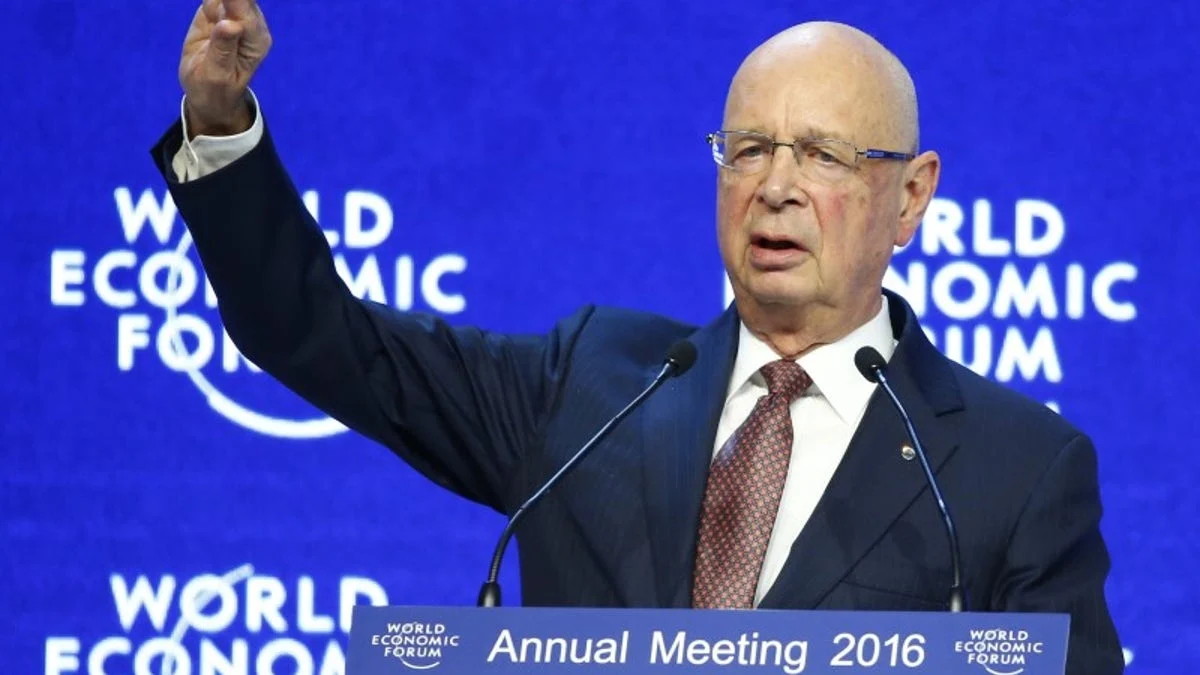
Brende’s resignation adds to a series of reputational challenges for the WEF, commonly referred to as Davos due to its annual meeting location. In July 2025, WEF founder Klaus Schwab stepped down amid allegations of fund mismanagement and inappropriate employee treatment, although he and his wife were later cleared of significant wrongdoing by the WEF board. The board acknowledged minor irregularities related to blurred boundaries between personal contributions and organizational operations.
Broader Criticism of the WEF
Criticism of the WEF has extended beyond internal scandals. Argentine President Javier Milei notably condemned the forum in 2024, describing it as promoting policies that undermine Western values and promote socialism. U.S. Commerce Secretary Howard Lutnick echoed these sentiments at the 2026 meeting, calling globalization a failed policy and criticizing WEF-endorsed offshoring and Europe’s net-zero energy goals, calling for an “America First” approach prioritizing domestic workers.
For more stories on this topic, visit our category page.