The U.S. government has urged Iraq’s administration, led by Prime Minister Mohammed Shia al-Sudani, to take decisive action against Iran-backed militias responsible for multiple attacks on American personnel and facilities in Iraq. This demand comes amid escalating violence, including a missile strike on the U.S. Embassy in Baghdad’s International Zone.
U.S. Embassy Warning and Condemnation
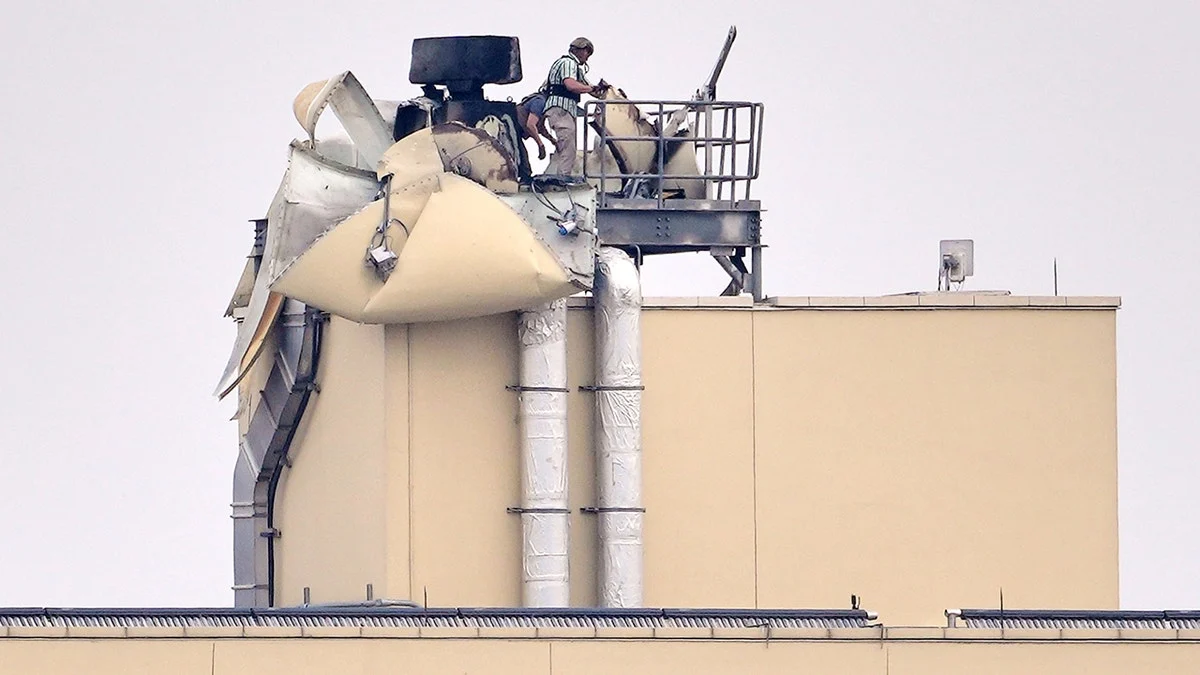
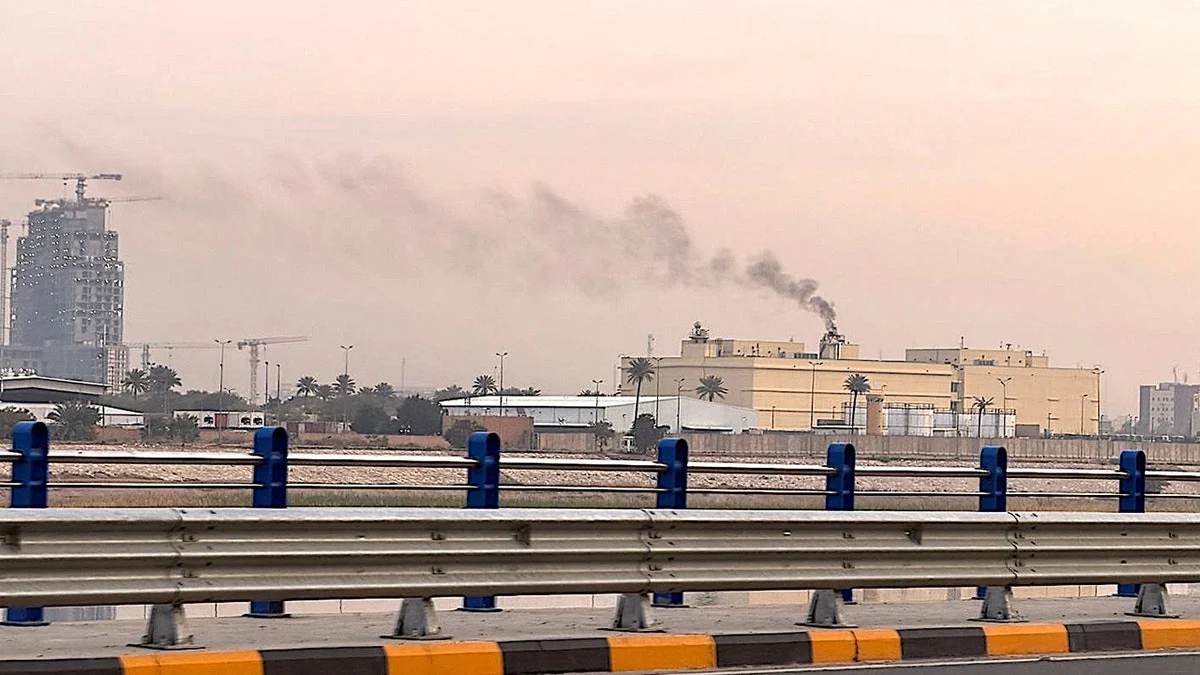
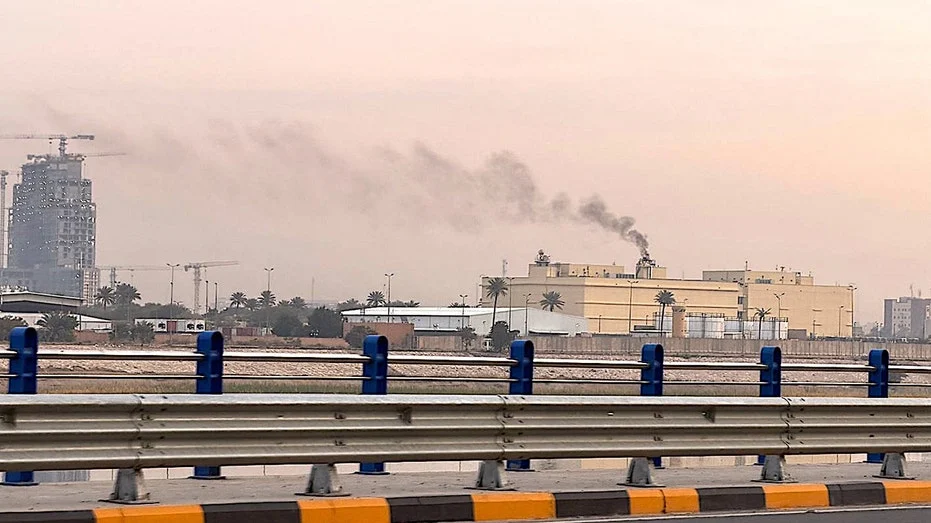
On March 14, 2026, the U.S. Embassy in Baghdad ordered all American citizens to leave Iraq immediately, citing repeated assaults by Iran-aligned militias on diplomatic and military sites. A missile reportedly struck a helipad inside the embassy compound early that day. The U.S. State Department condemned the attacks against U.S. diplomatic personnel, civilian targets, and energy infrastructure, particularly in the Iraqi Kurdistan Region.
A State Department spokesperson reiterated that the Iraqi government must safeguard U.S. interests and prevent militia groups from using Iraqi territory for hostile actions. The United States retains multiple options to protect its personnel and facilities but declined to specify forthcoming measures or sanctions.
Militia Ties and Iraqi Government Response
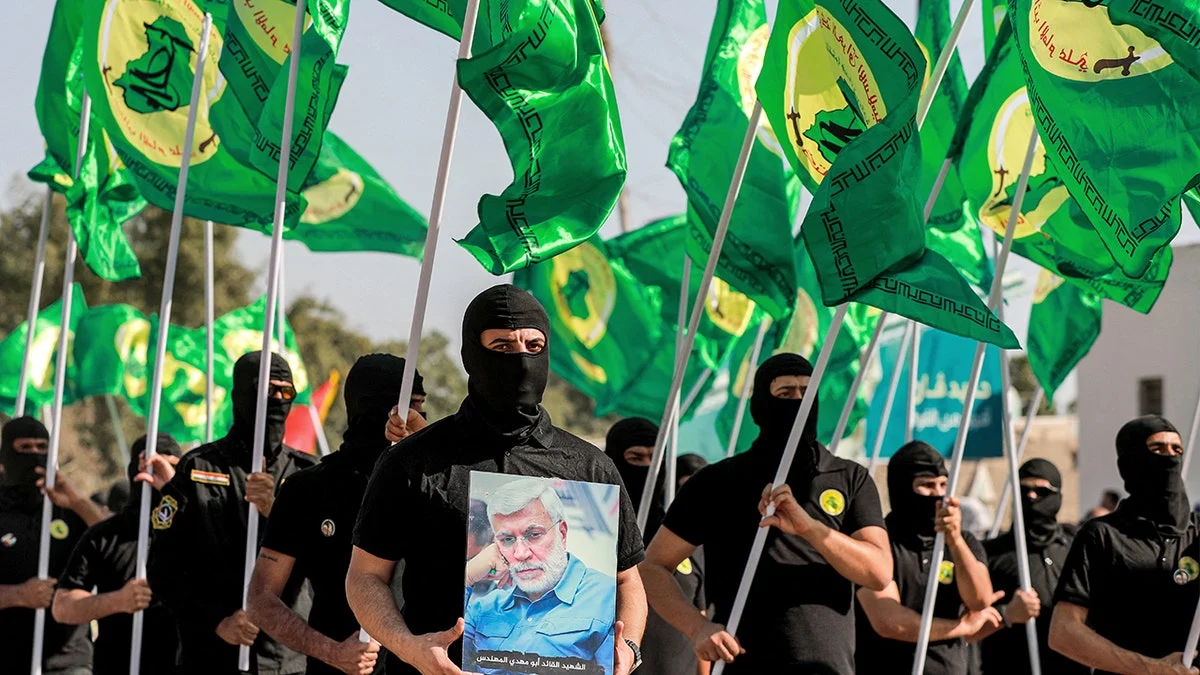
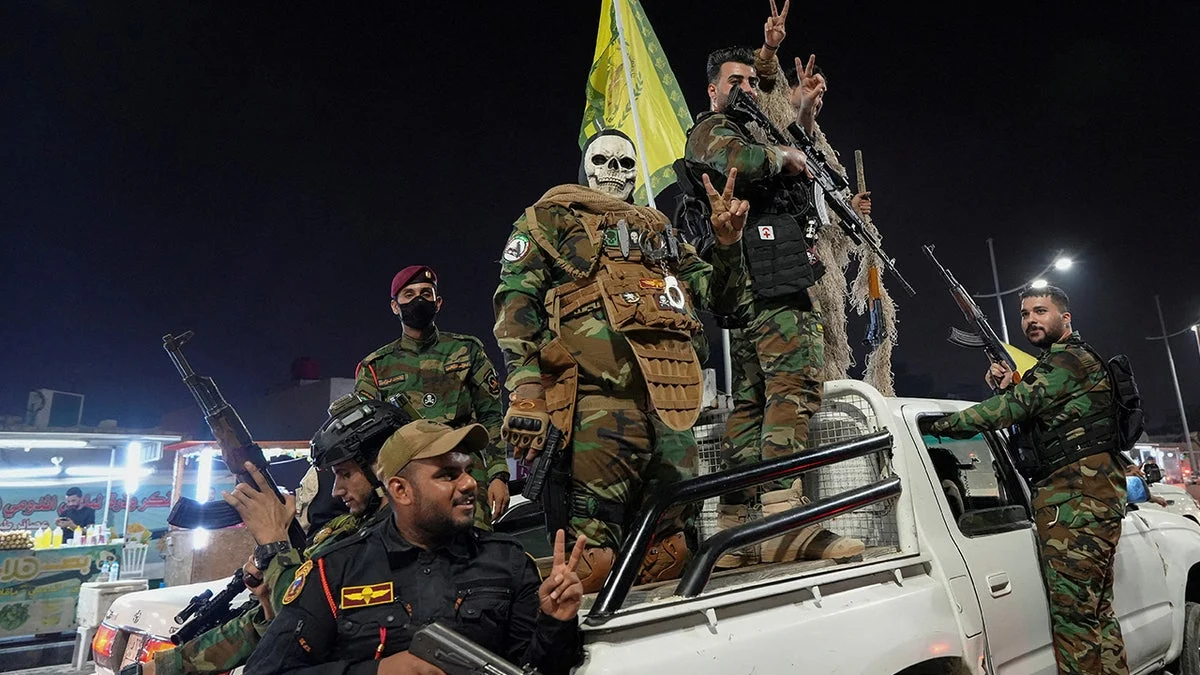
A Kurdish official, speaking anonymously, disclosed that the Popular Mobilization Forces (PMF)—Iran-backed militias active in Iraq—receive funding and arms from the Iraqi government and have openly targeted U.S. and Kurdish forces as well as the energy sector. Several PMF leaders are reportedly affiliated with al-Sudani’s governing coalition.
Responding to these allegations, an official from Iraq’s Embassy in Washington dismissed claims that Prime Minister al-Sudani authorized militia attacks on U.S. or Western interests, emphasizing the government’s repeated denouncements of such violence as terrorist acts. The official noted al-Sudani’s public condemnations and directives to hold perpetrators accountable.
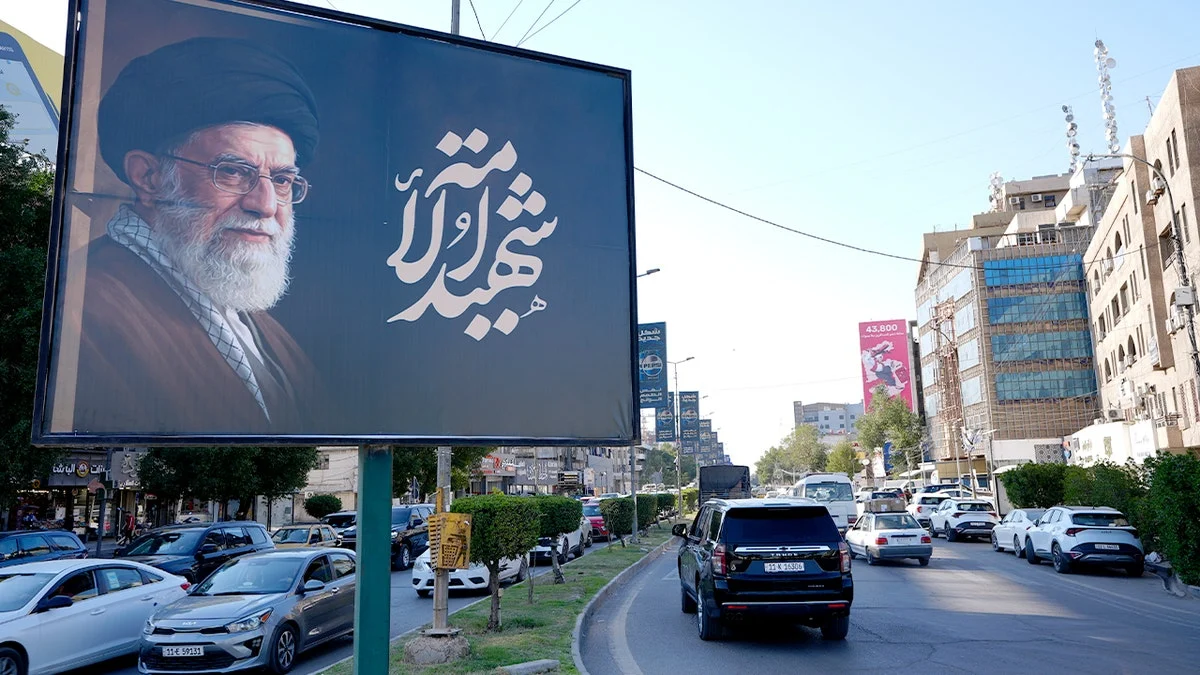
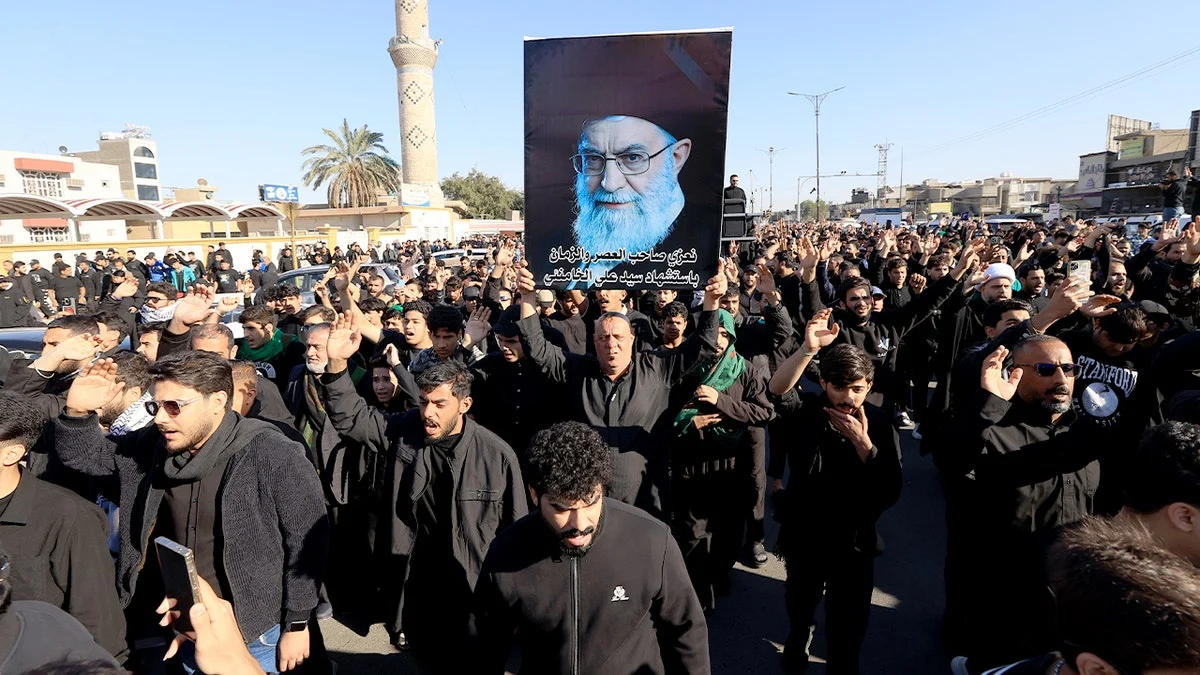
Last week, al-Sudani stirred controversy by congratulating Iran on appointing Mojtaba Khamenei as its new Supreme Leader. The Iraqi Embassy clarified this as a routine diplomatic gesture consistent with Iraq’s balanced foreign relations with regional neighbors, including Iran.
Escalating Attacks in Kurdistan Region
Recent intensified strikes targeted the international anti-jihadi coalition in Iraq’s Kurdistan region, killing a French soldier, Arnaud Frion, and injuring six others. French officials attributed the attack to an Iranian-designed Shahed drone. Kurdish media reported multiple explosive drone attacks on the Kurdistan Region in the days following, highlighting ongoing tensions fueled by Iran-backed proxies operating within Iraq’s borders.
For more stories on this topic, visit our category page.