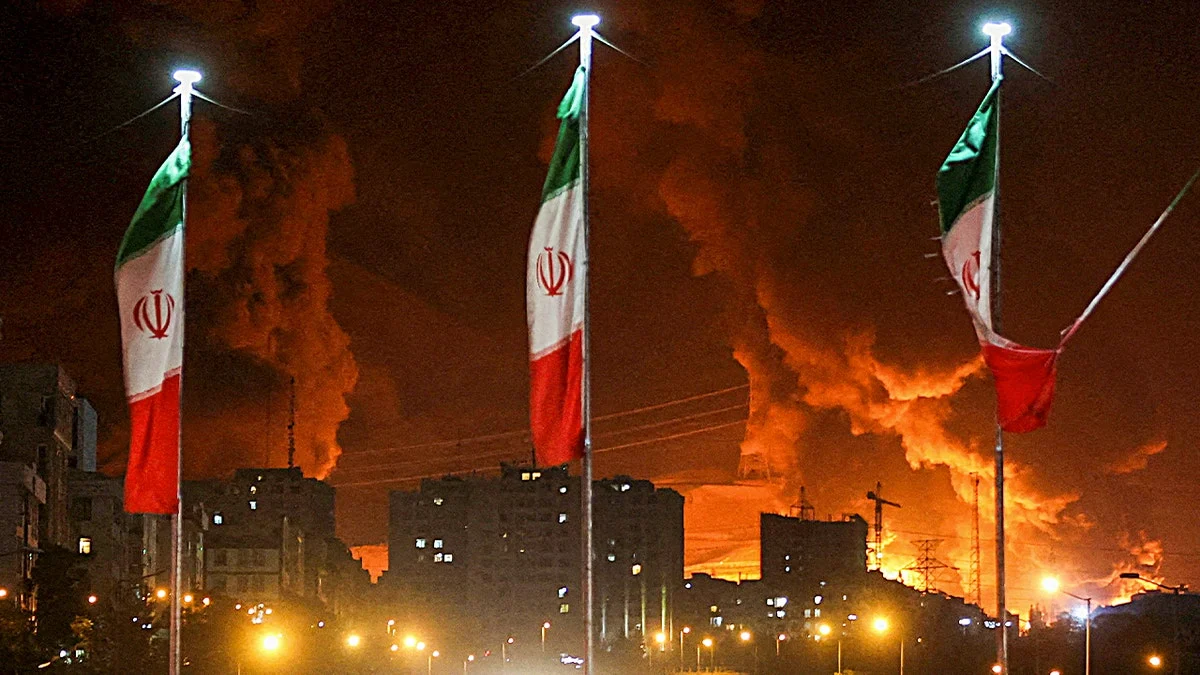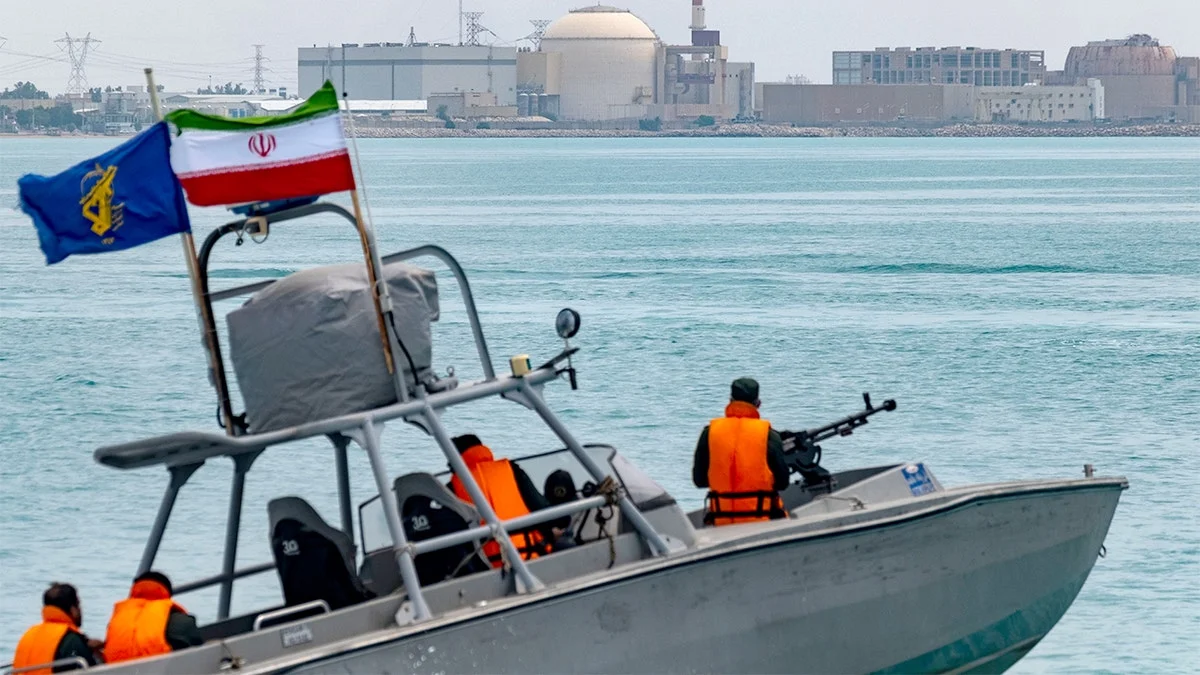
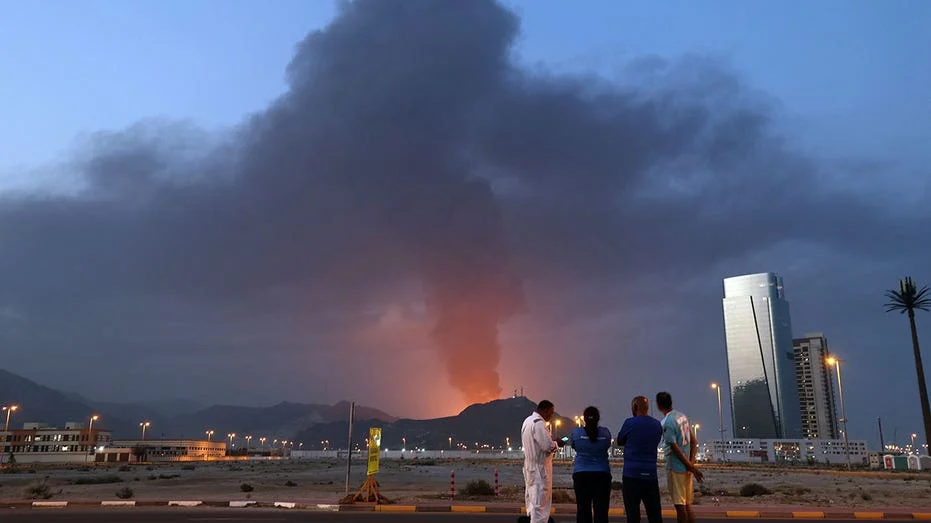
Gulf states targeted by recent Iranian missile and drone attacks have declined to join a wider military response, prioritizing territorial defense and diplomatic restraint amid escalating tensions. The decision comes as Iran expands retaliatory strikes across the Persian Gulf following U.S. and Israeli operations against Iran’s military infrastructure.
Gulf States Focus on Stability and Diplomacy
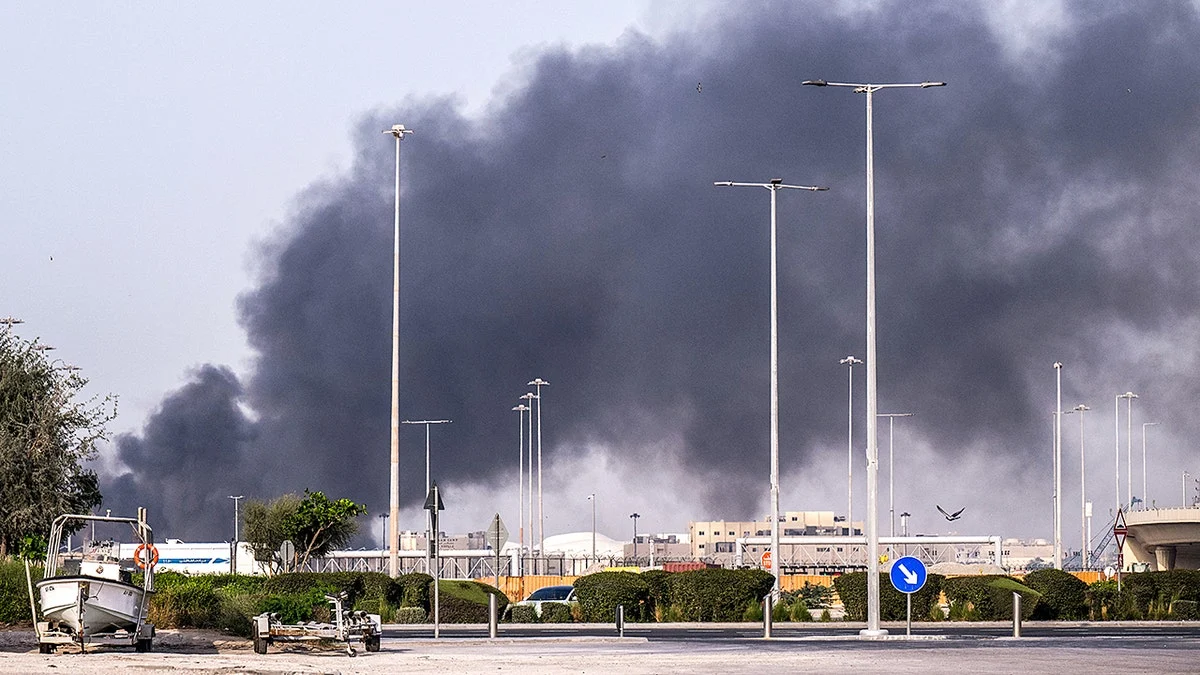
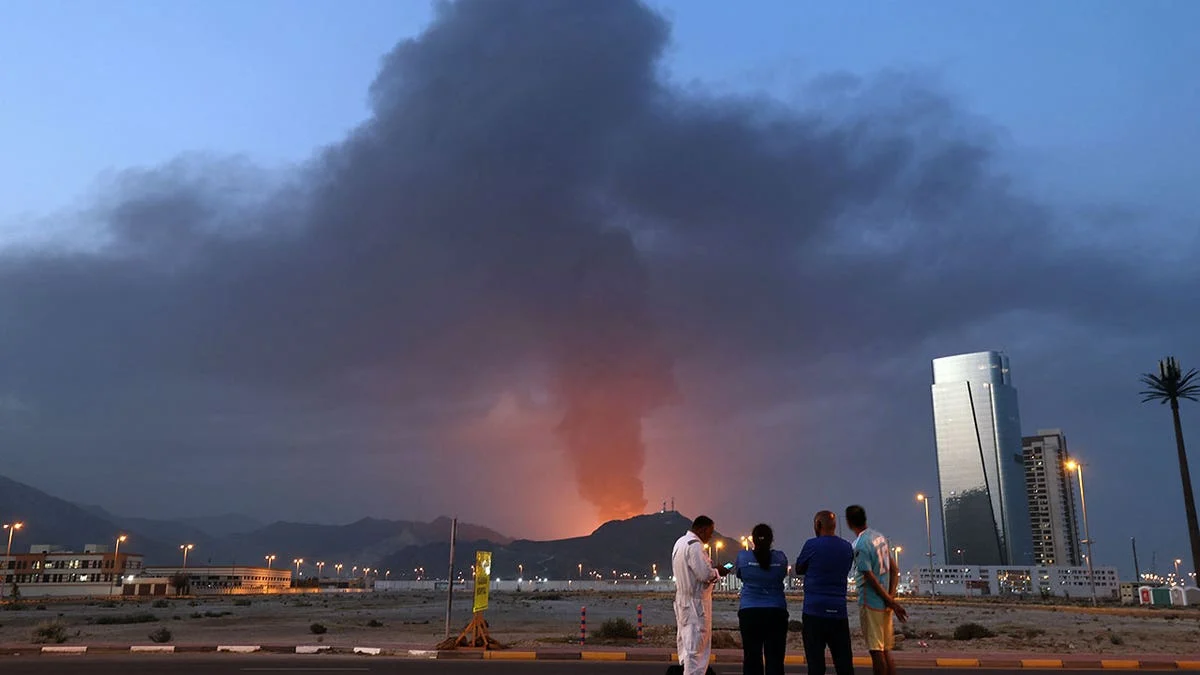
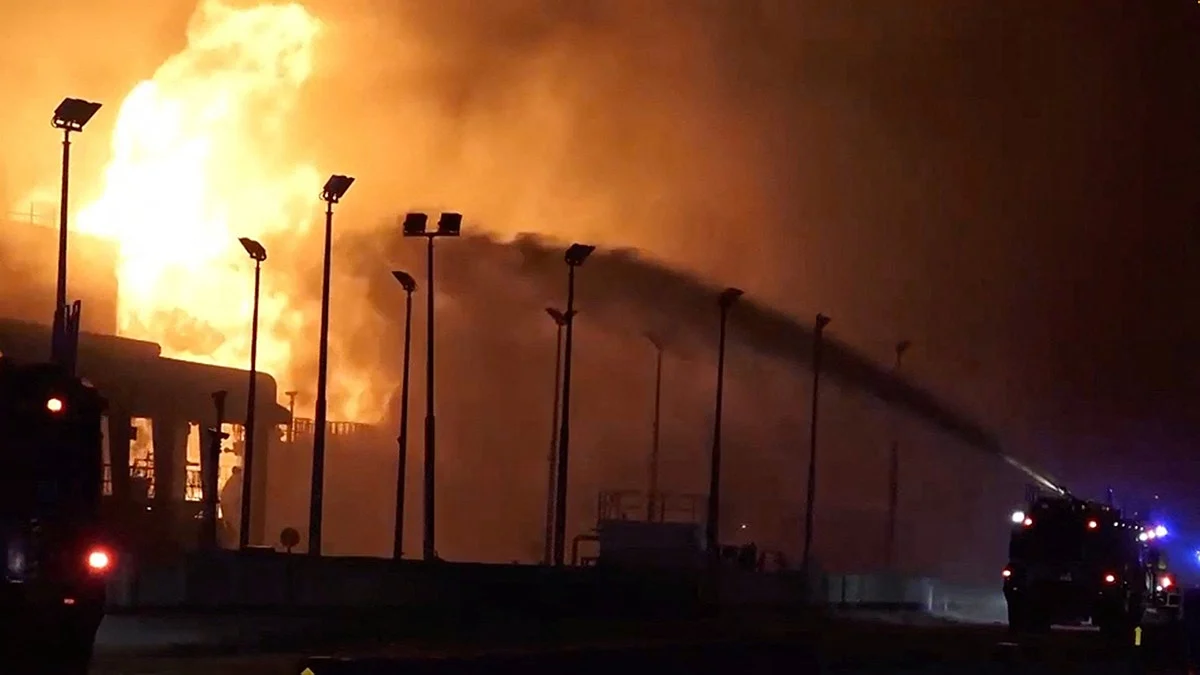
Saudi Arabia, the United Arab Emirates, Qatar, Bahrain, and Kuwait have faced multiple attacks since late February 2026, including strikes on energy infrastructure and shipping routes in the Strait of Hormuz. Despite these provocations, Gulf governments are emphasizing efforts to avoid broader conflict that could destabilize regional security and global energy markets.
Saudi geopolitical researcher Salman Al-Ansari explained that Riyadh is exercising “maximum restraint” while maintaining a long-standing policy aimed at market stability. Similarly, a Qatari official emphasized the country’s commitment to conflict de-escalation and resolving tensions through negotiations, while defending its sovereignty.
Wider Conflict and Regional Trust Issues
Since the U.S. and Israel’s nationwide strikes on Iran, the Armed Conflict Location & Event Data Project (ACLED) recorded at least 25 Iranian attacks targeting Gulf energy infrastructure and shipping in the Gulf. The attacks have resulted in casualties, including three deaths and 58 injuries in the UAE.
Some U.S. military experts highlight the Gulf states’ reluctance to allow their territories to be used for offensive actions against Iran. Vice Adm. Robert S. Harward, former deputy commander of U.S. Central Command, noted that inconsistent U.S. Middle East policies have eroded trust among Gulf partners, complicating efforts for a united regional military front.
U.S. and Gulf Coordination Amid Ongoing Hostilities
The Gulf states’ restraint aligns with U.S. efforts to secure strategic waterways, such as the Strait of Hormuz, with President Donald Trump calling for allied warships to assist in protecting these vital maritime routes. Analysts suggest Gulf cooperation is focused on containing Iranian aggression rather than escalating the conflict.
Jacob Olidort of the America First Policy Institute said the Gulf countries have presented an “unprecedented unified front” against Iranian threats, prioritizing defensive measures that support ongoing U.S. military successes in the region.
For more stories on this topic, visit our category page.