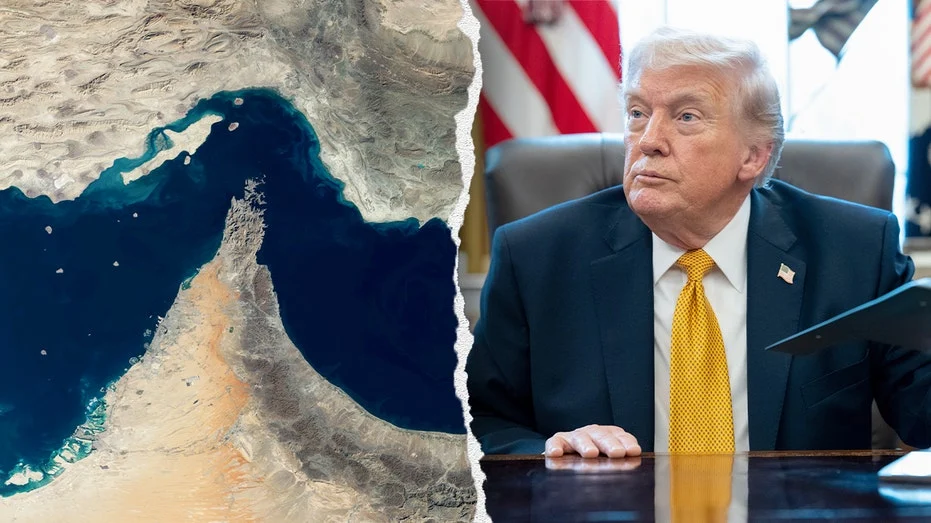
Several U.S. allies have declined to participate in military efforts to secure the Strait of Hormuz amid rising tensions in the Middle East, signaling reluctance to engage in direct military action despite Washington’s appeals.
European Countries Reject Military Involvement
France has ruled out any military involvement in securing the Strait of Hormuz, with Armed Forces Minister Catherine Vautrin emphasizing a diplomatic approach and stating that France will not send vessels to the area. Vautrin also expressed doubts about aligned objectives between the U.S. and Israel regarding the conflict with Iran.
Germany’s Chancellor Friedrich Merz publicly stated that the conflict does not fall under NATO’s mandate and that Germany will not engage militarily in navigating freedom of passage through the Strait. He said, “The war in the Middle East is not a matter for NATO,” reinforcing Germany’s position against military participation.
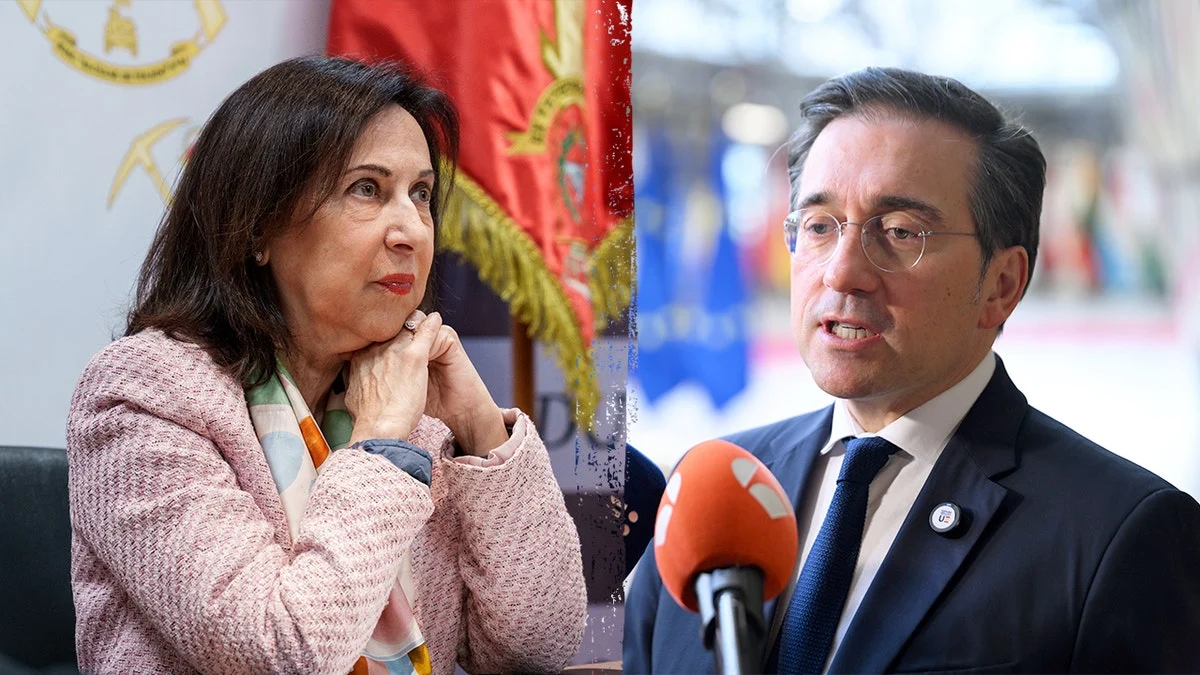
Spain’s Defense Minister Margarita Robles confirmed Spain’s rejection of any mission in the region and called for an end to the war, describing the conflict as an “illegal war” causing widespread casualties. Spanish Foreign Minister José Manuel Albares similarly called for ending the “spiral of violence” and de-escalation of the conflict.
Ireland, represented by Prime Minister Micheál Martin, also ruled out participation in any EU naval mission in the area citing lack of offensive military capacity and expressing a preference for a peaceful resolution.
Other Allies Maintain Limited or Defensive Roles
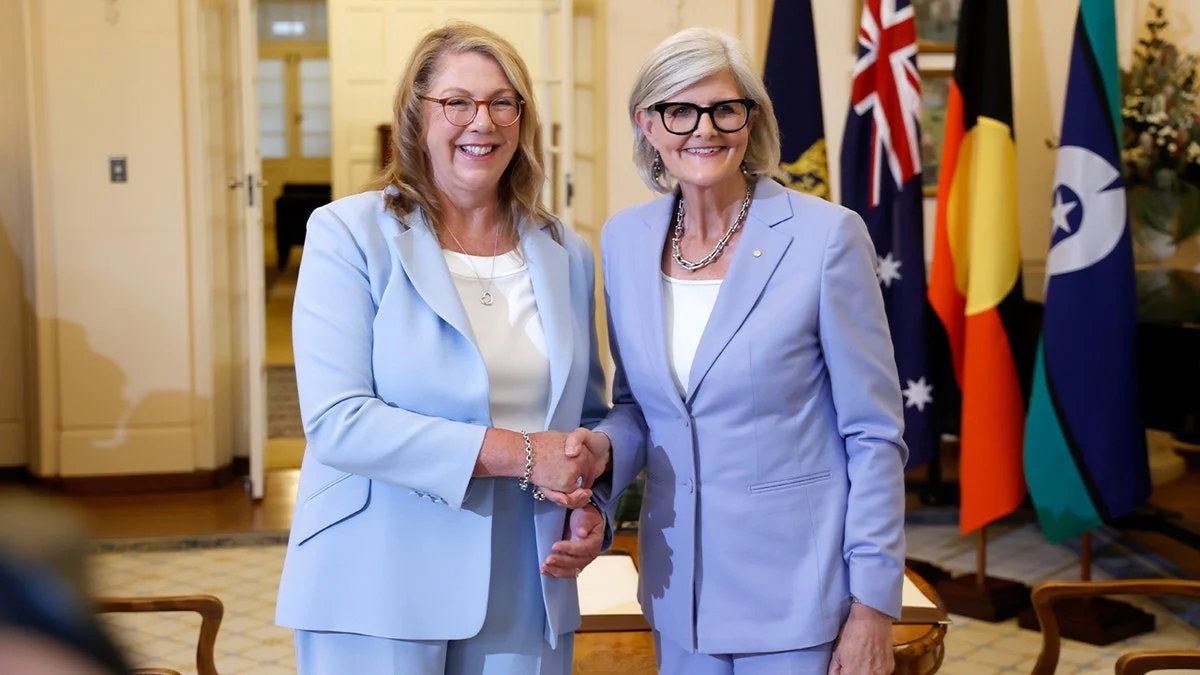
Australia has declined U.S. requests to send ships to the Strait of Hormuz. Minister Catherine King noted Australia’s contribution focuses on defensive support in the United Arab Emirates and not on direct military involvement in the strait.
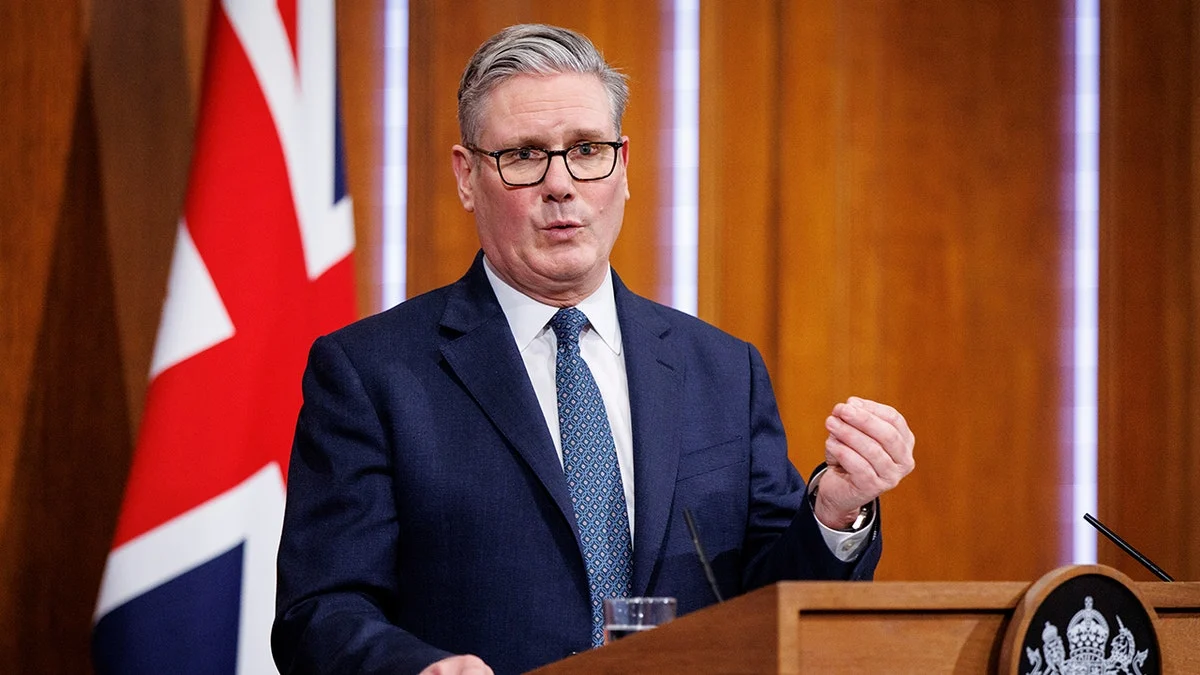
The United Kingdom has not committed to direct military action but continues coordination efforts. Details on the UK’s precise stance or deployments remain limited in contrast to the explicit refusals from other allies.
U.S. Response and Context
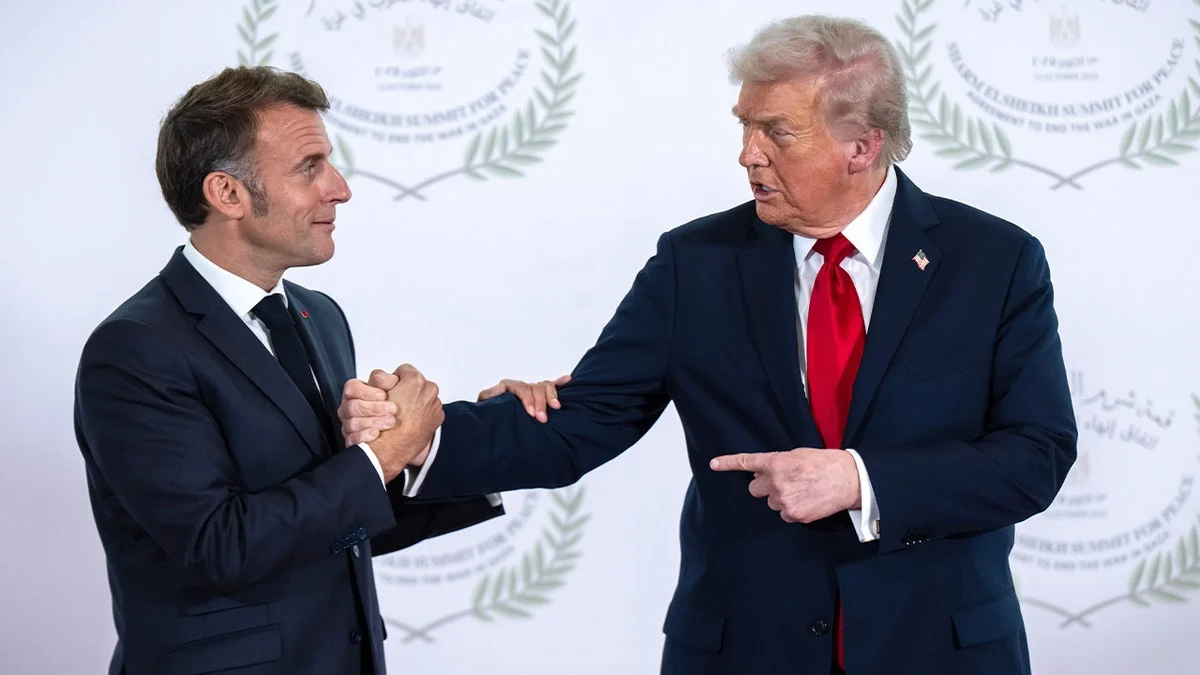
President Donald Trump has acknowledged the reluctance of allies but maintained that the U.S. possesses the strongest military and does not necessarily need their participation. Nonetheless, he noted interest in gauging allies’ reactions to requests for cooperation in securing the strategic waterway through which a significant portion of global oil shipments transit.
The calls for allied help come amid increasing threats linked to Iran and heightened Middle East tensions, with the Strait of Hormuz a focal point due to its strategic importance in global energy supply chains.
The continued refusal by several key allies underlines the diplomatic and strategic challenges facing the U.S. in assembling a multinational military effort in the region.
For more stories on this topic, visit our category page.