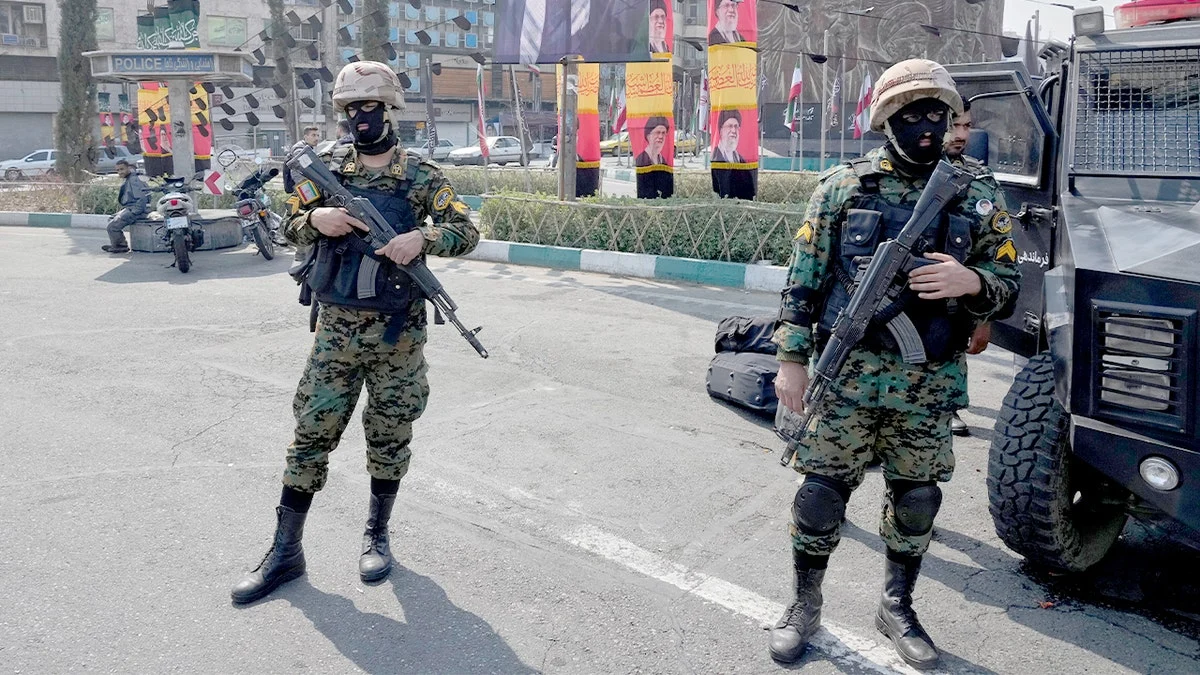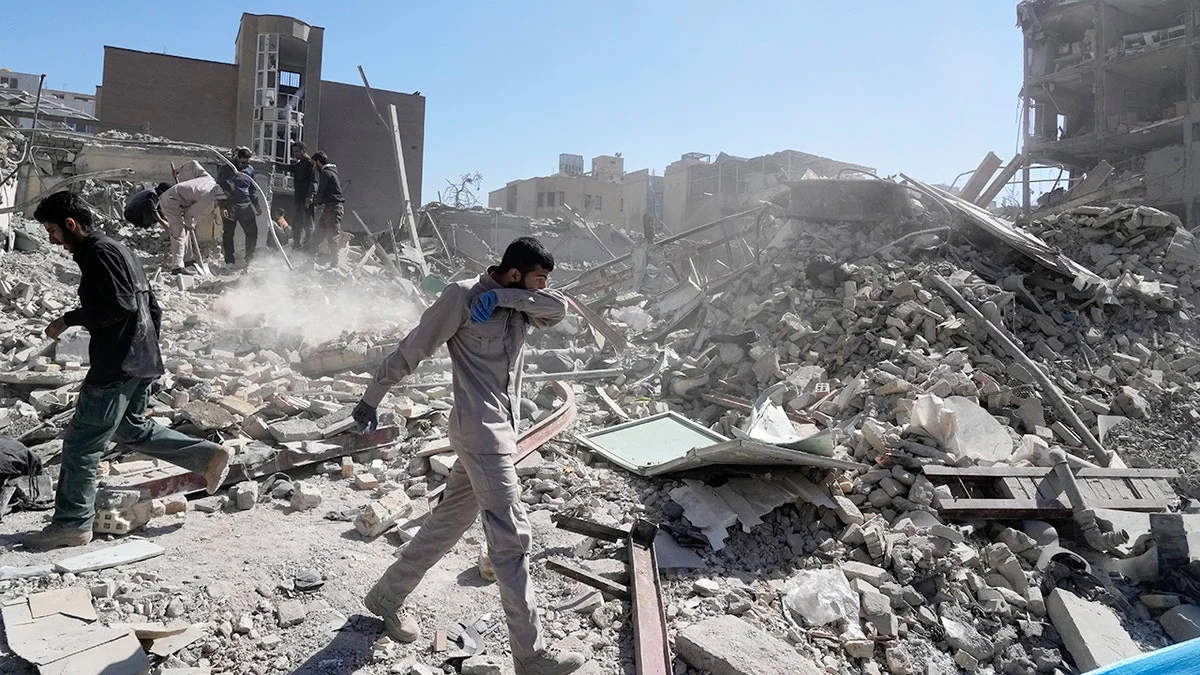
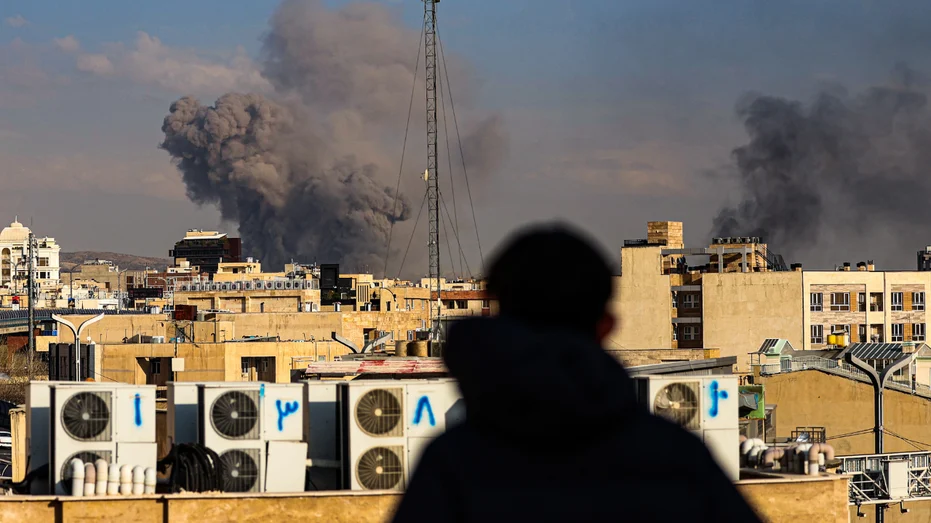
Amid ongoing US-Israel military strikes targeting Iran’s Islamic Revolutionary Guard Corps (IRGC), ordinary Iranians have condemned their government for failing to provide adequate bomb shelters and early warning systems. While IRGC officials reportedly shelter in underground bunkers, civilians remain exposed, lacking formal civil defense infrastructure.
Scarcity of Shelters and Warning Systems in Tehran
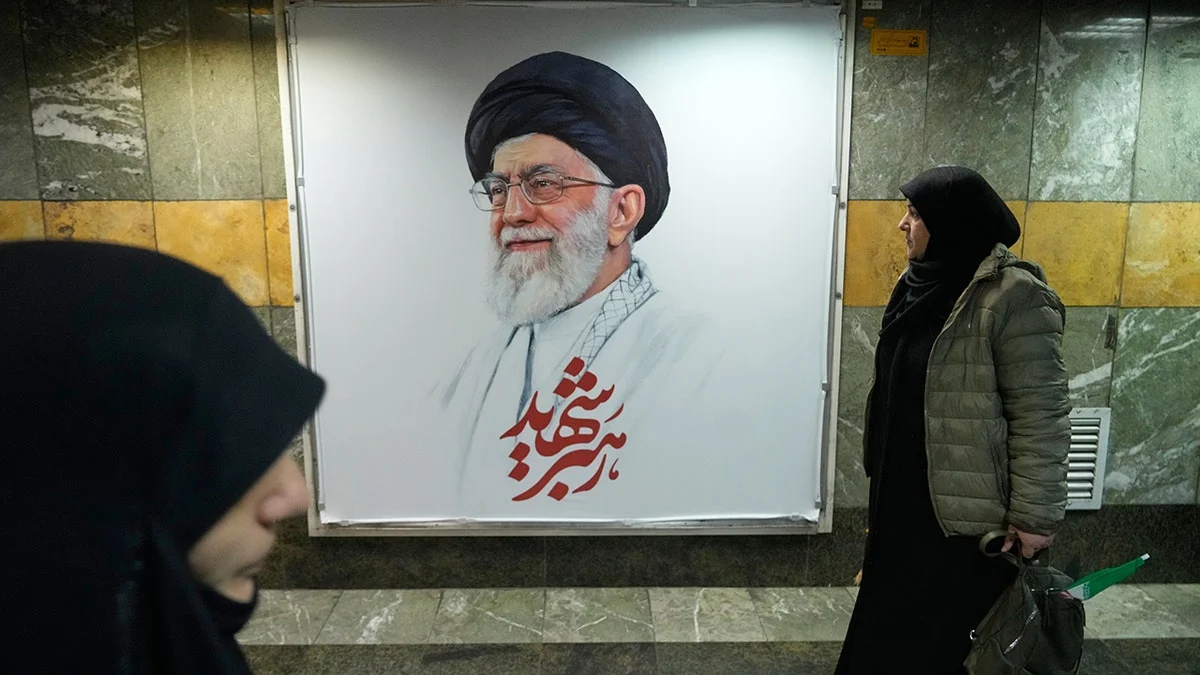
Residents in Tehran report no official warning sirens or bomb shelters despite years of military buildups by the regime. Instead, authorities have designated 82 metro stations and 300 parking garages as makeshift shelters. However, these locations lack basic facilities such as bathrooms, and many have been locked during previous emergency situations. One Tehran resident, identified as Noori, noted that families tied to the IRGC and the army are now seeking refuge in metro stations due to fear over airstrikes.
Another citizen, Faraz, expressed concern over the absence of effective civil defense measures, emphasizing the risk to civilians if residential buildings are targeted. Iran expert Lisa Daftari described Tehran as operating without formal civil protection, with many families evacuating to rural areas and those remaining avoiding windows and moving to underground parking to shelter.
Military Placement and Civilian Risks
Legal experts question the regime’s strategy of situating military installations within heavily populated civilian areas, which increases risks to ordinary Iranians. Avi Bell, law professor at the University of San Diego and Bar Ilan University, highlighted the use of civilian areas for military purposes as possible human shielding, noting that such placements are strategically illogical for missile or drone launches.
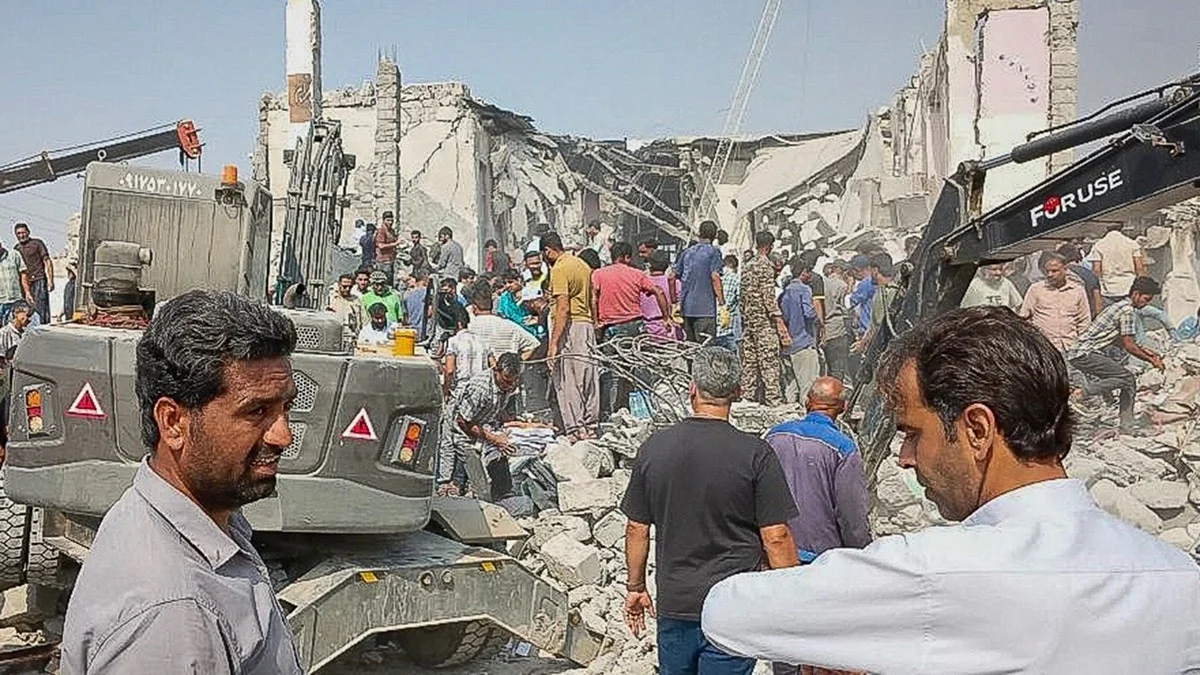
The Pentagon is investigating a controversial airstrike on February 28 that reportedly struck a girls’ school in Minab, killing 175 people according to Iranian reports, with the school located near IRGC compounds. The US launched Operation Epic Fury targeting the regime’s military infrastructure at the start of the strike campaign.
Criticism of Regime’s Priorities
Iranians criticize the clerical leadership for prioritizing weapons, missile production, and foreign militant groups over civilian safety. Noori accused the regime of spending funds on missiles, drones, and supporting Hamas and Hezbollah, instead of investing in protective infrastructure for the population. Another resident, Manouchehr, described significant difficulties communicating due to internet restrictions imposed during the crisis, underscoring the regime’s suppression of information amid heightened security measures.
For more stories on this topic, visit our category page.