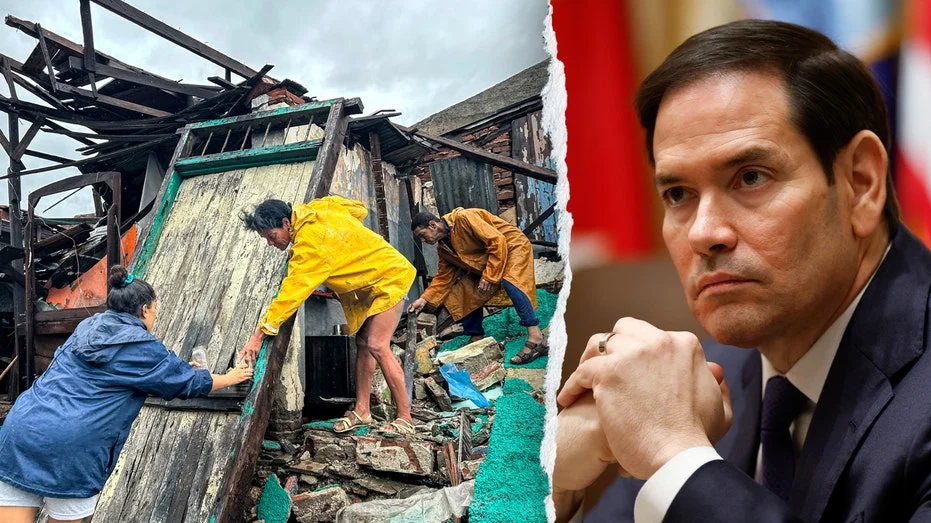
Senator Marco Rubio stated Tuesday that U.S. sanctions on Cuba are tied to political change as the island faces a deepening energy crisis causing widespread blackouts and unrest. Speaking at the White House, Rubio emphasized that the Cuban economy is nonfunctional, reliant on past subsidies from the Soviet Union and Venezuela, which have since ceased.
“The economy doesn’t work,” Rubio said. “The people in charge don’t know how to fix it. They have to get new people in charge.”
Power Grid Collapse Sparks Protests and Instability
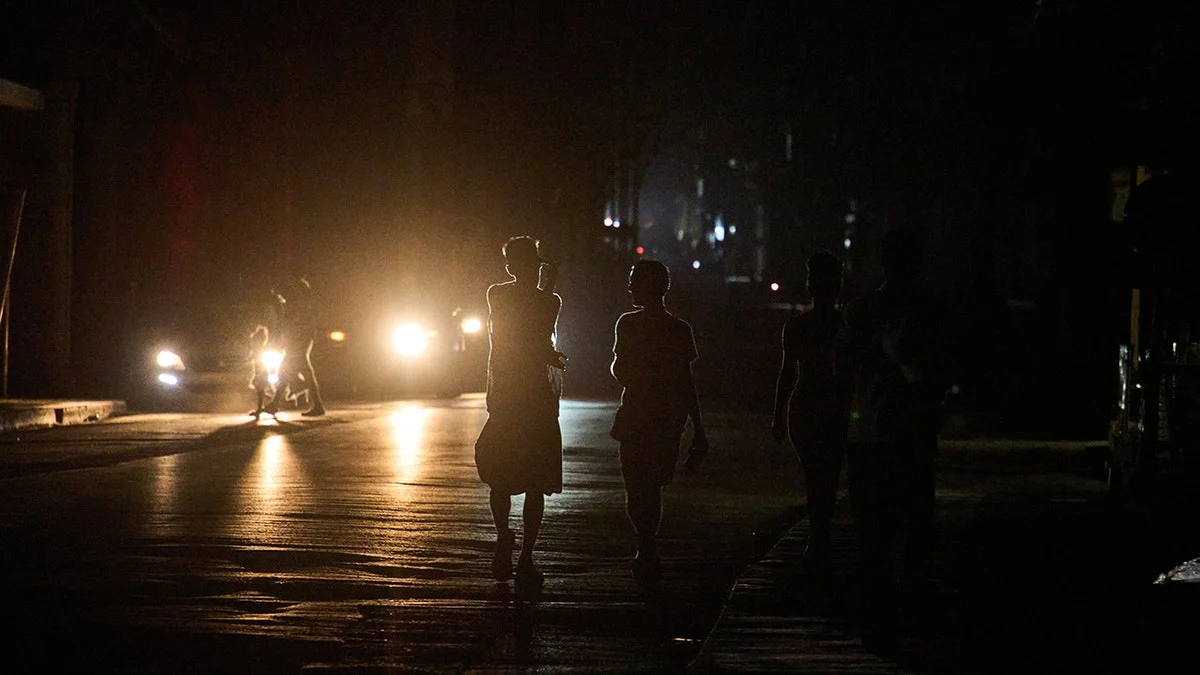
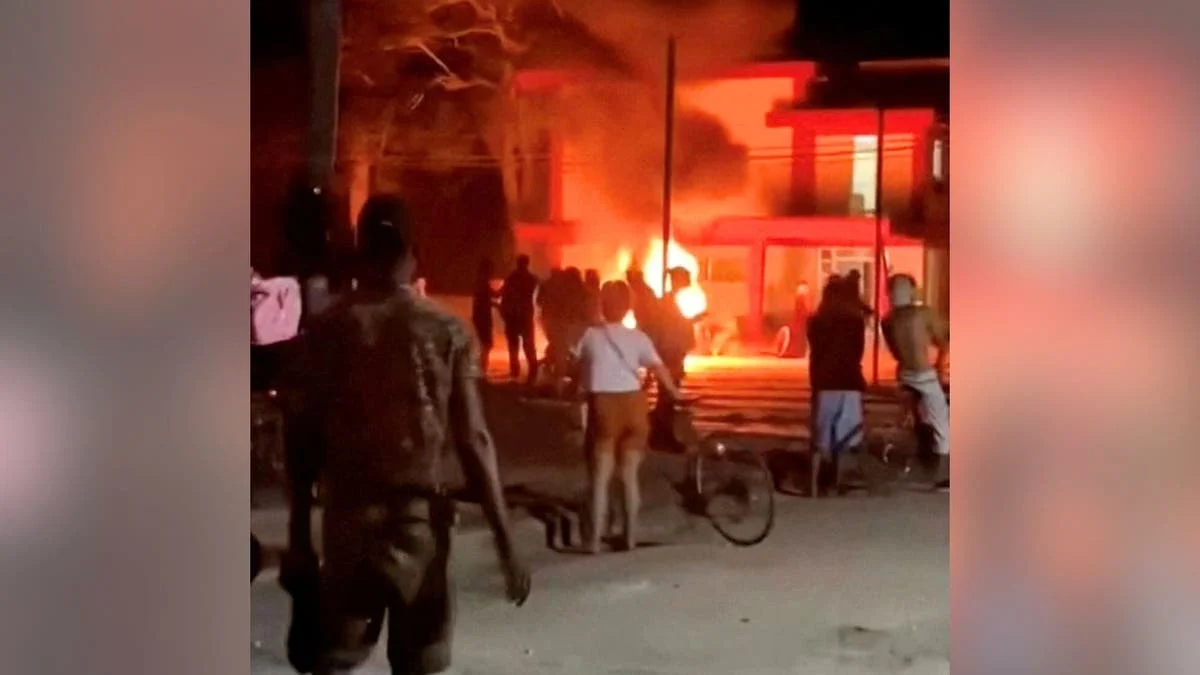
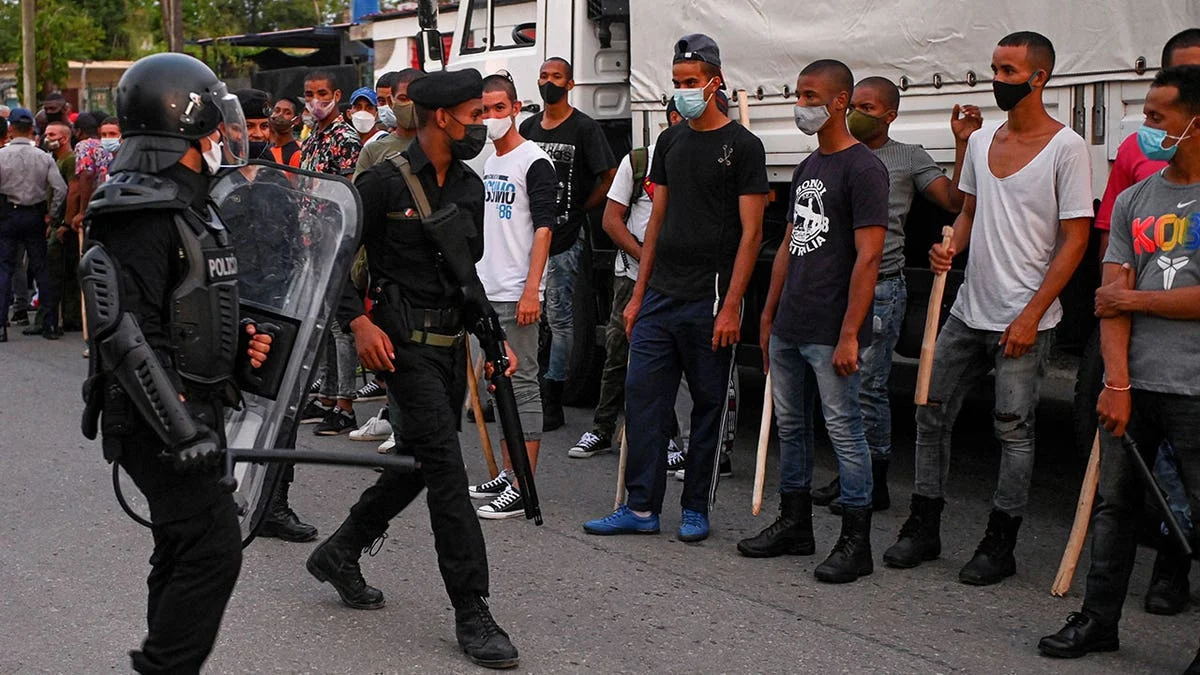
Recent nationwide power grid failures left roughly 10 million Cubans without electricity, according to statements from the U.S. Embassy and Cuban officials. Videos have shown protesters setting fire to a Communist Party headquarters amid demonstrations linked to the blackouts, highlighting growing dissent against the government led by President Miguel Diaz-Canel.
The blackouts and related shortages have been connected to failures at the Antonio Guiteras thermoelectric power plant and fuel shortages following U.S. efforts to block Venezuelan oil shipments to Cuba, which was a crucial energy source.
U.S. Response and Cuban Regime’s Position
President Donald Trump acknowledged the crisis, indicating the administration is actively addressing the situation. “We’ll be doing something with Cuba very soon,” Trump told reporters, while escalating rhetoric about his authority over Cuba.
A senior State Department official rejected the notion that U.S. sanctions are behind the humanitarian crisis. The official attributed blackouts to the “failing regime’s incompetence” and 60 years of communist rule, describing Cuba as plunged “into extreme poverty and darkness.”
Cuban human rights activist Rosa María Payá also dismissed claims that sanctions are to blame, asserting the crisis reflects systemic collapse within Cuba’s government. She stated, “Pressure on the regime works. What hurts the Cuban people is legitimizing it,” and called for an end to the regime as the only solution to the humanitarian issues.
Security Concerns and Military Stance
During a House Armed Services Committee hearing, Pentagon officials confirmed there are no current plans to invade Cuba. Joseph Humire, acting assistant secretary of defense for homeland defense and Americas security affairs, described Cuba as “one of the strongest intelligence adversaries” to the U.S., noting Cuban support for Venezuelan leader Nicolás Maduro in past operations.
The Cuban government blames U.S. sanctions for worsening conditions, while U.S. officials maintain that the crisis stems from decades of economic mismanagement and dependence on foreign subsidies.
For more stories on this topic, visit our category page.