
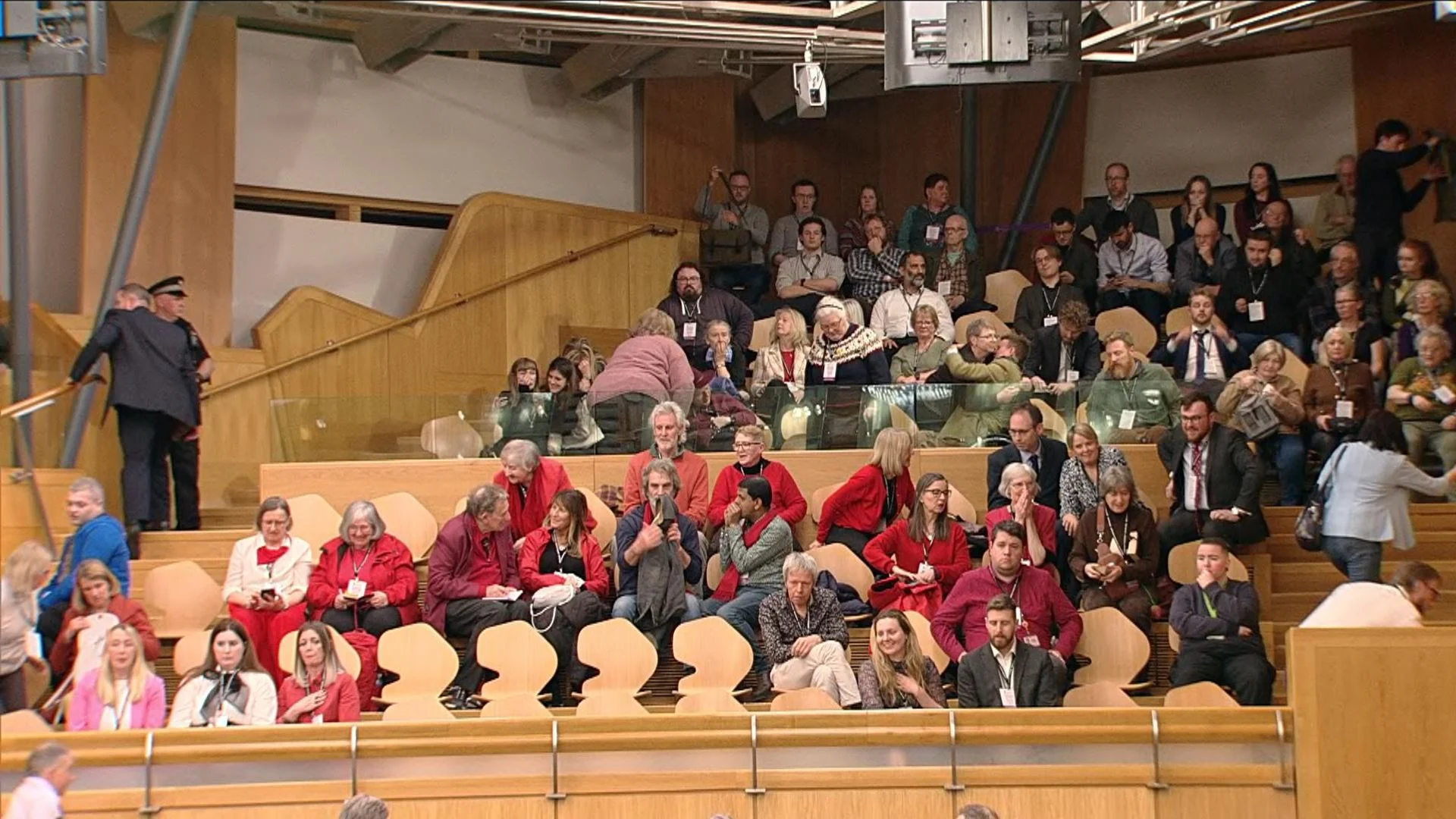
Members of the Scottish Parliament (MSPs) voted against the Assisted Dying for Terminally Ill Adults (Scotland) Bill during the Stage 3 debate on Tuesday evening. The final tally was 69 against, 57 in favor, and one abstention, with Health Secretary Neil Gray abstaining in advance.
Vote and Debate Details
The vote came after extensive debates involving hundreds of amendments across multiple sessions at Holyrood. MSPs were allowed a free vote without party instructions, leading to an uncertain outcome until the results were announced. The bill was introduced by Scottish Liberal Democrat MSP Liam McArthur, who described it as the “toughest and most comprehensively safeguarded assisted dying bill in the world.”
Opposition and Support Perspectives
Scottish Labour leader Anas Sarwar opposed the bill, citing inadequate safeguards. Former First Minister Nicola Sturgeon also voted against it, expressing concern over potential pressures on vulnerable individuals to feel a “duty to die” rather than a right to die.
Independent MSP Pam Duncan-Glancy, the first permanent wheelchair user elected to Holyrood, argued the bill would put sick and disabled people at risk. Conversely, Green MSP Lorna Slater supported the legislation, referencing her father’s assisted death in Canada as part of her backing.
Campaign Reactions and Legislative Context
Following the vote, Dr. Gordon Macdonald, CEO of the Care Not Killing campaign, expressed relief that MSPs rejected the bill, emphasizing risks to vulnerable groups including disabled people and victims of abuse. This marked the third parliamentary attempt to pass assisted dying legislation in Scotland, all unsuccessful so far.
Recent related developments include Jersey’s legalization of assisted dying last month and the Isle of Man’s earlier agreement on an assisted dying framework. In England and Wales, a related bill is progressing slowly through the House of Lords and faces uncertainty due to limited parliamentary time.
For more stories on this topic, visit our category page.