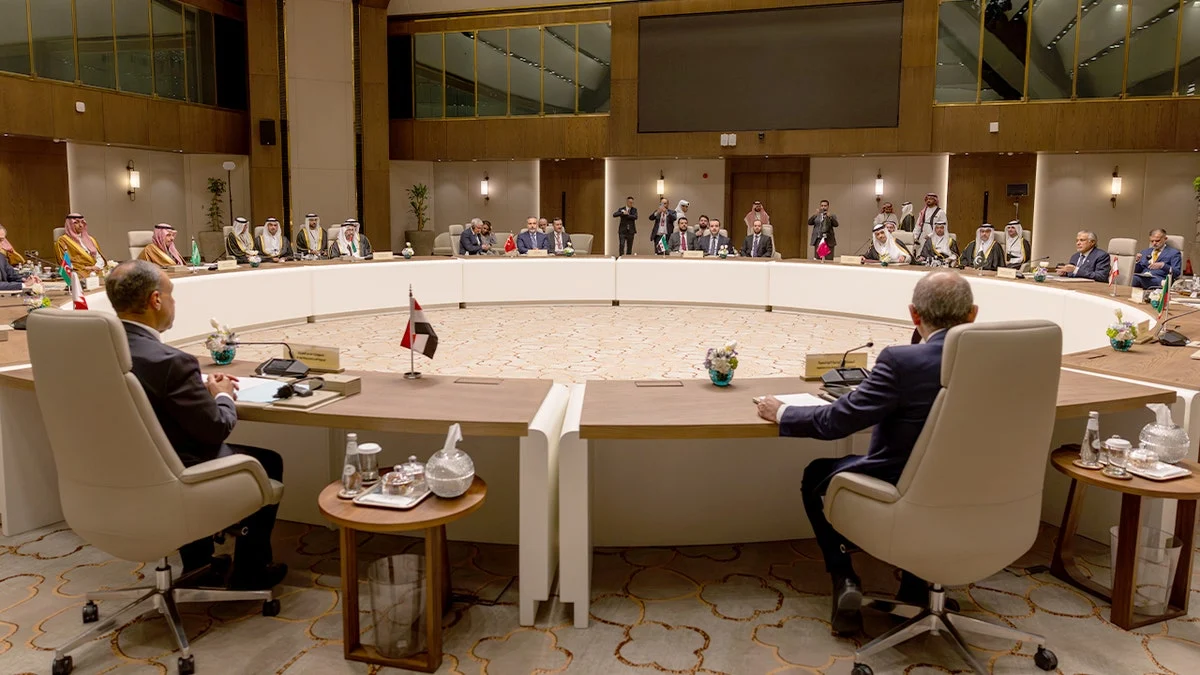
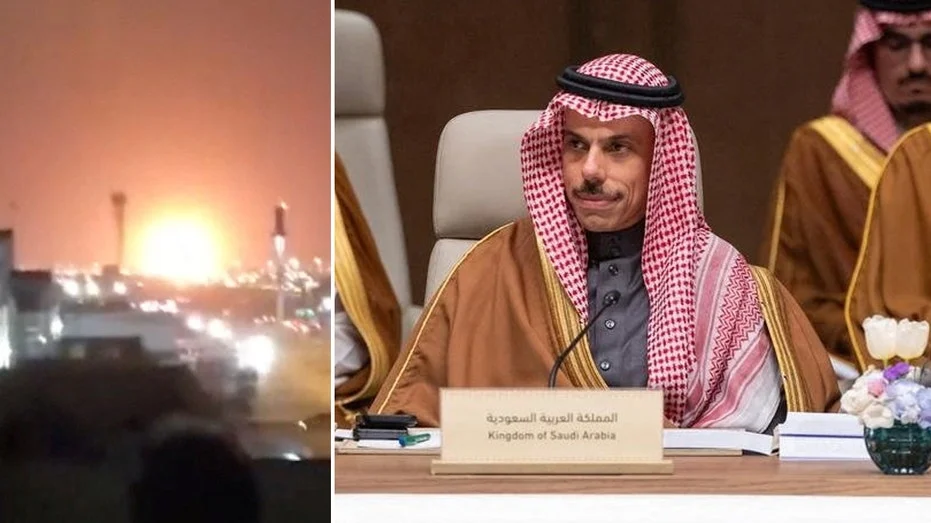
Foreign ministers from 12 Arab and Islamic countries condemned Iran’s missile and drone attacks on regional civilian infrastructure during a consultative meeting in Riyadh on March 18, 2026. The group, led by Qatar and Saudi Arabia, accused Tehran of targeting residential areas, oil facilities, airports, and diplomatic sites, and called for an immediate halt to the strikes.
Joint Statement Demands Iran Stop Attacks and Respect Sovereignty
The ministers from Qatar, Azerbaijan, Bahrain, Egypt, Jordan, Kuwait, Lebanon, Pakistan, Saudi Arabia, Syria, Turkey, and the United Arab Emirates issued a joint statement denouncing the assaults as “heinous” and reaffirmed the affected countries’ right to self-defense under Article 51 of the United Nations Charter. They urged Iran to comply with international law, respect territorial sovereignty, and cease support for militias in Arab nations.
The group also warned Tehran to avoid actions threatening maritime security, especially in strategic waterways such as the Strait of Hormuz and Bab al-Mandab, vital global shipping routes. The statement expressed support for Lebanon’s stability while condemning Israel’s expansionist policies in the region.
Regional Tensions Rise Following Strikes on Energy Infrastructure
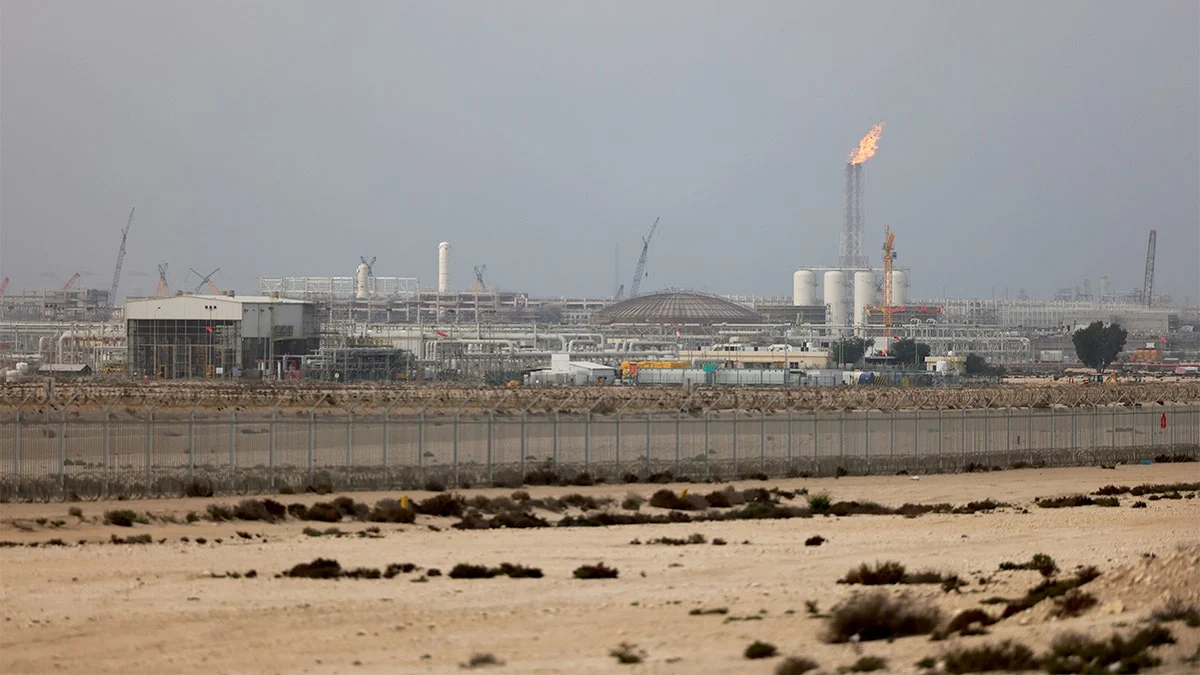
The condemnation followed an Israeli strike on Iran’s South Pars gas field, which was met by Iranian retaliatory attacks targeting facilities in Qatar and Saudi Arabia, including Qatar’s Ras Laffan Industrial City, the world’s largest LNG production site. The attacks prompted a surge in global oil prices, with Brent crude rising above $114 per barrel and U.S. crude exceeding $97 per barrel.
In response to the escalating conflict, U.S. President Donald Trump warned on social media that the United States could destroy Iran’s South Pars gas field with overwhelming force if Qatar’s LNG facilities were attacked again, emphasizing the potential long-term consequences for Iran.
For more stories on this topic, visit our category page.