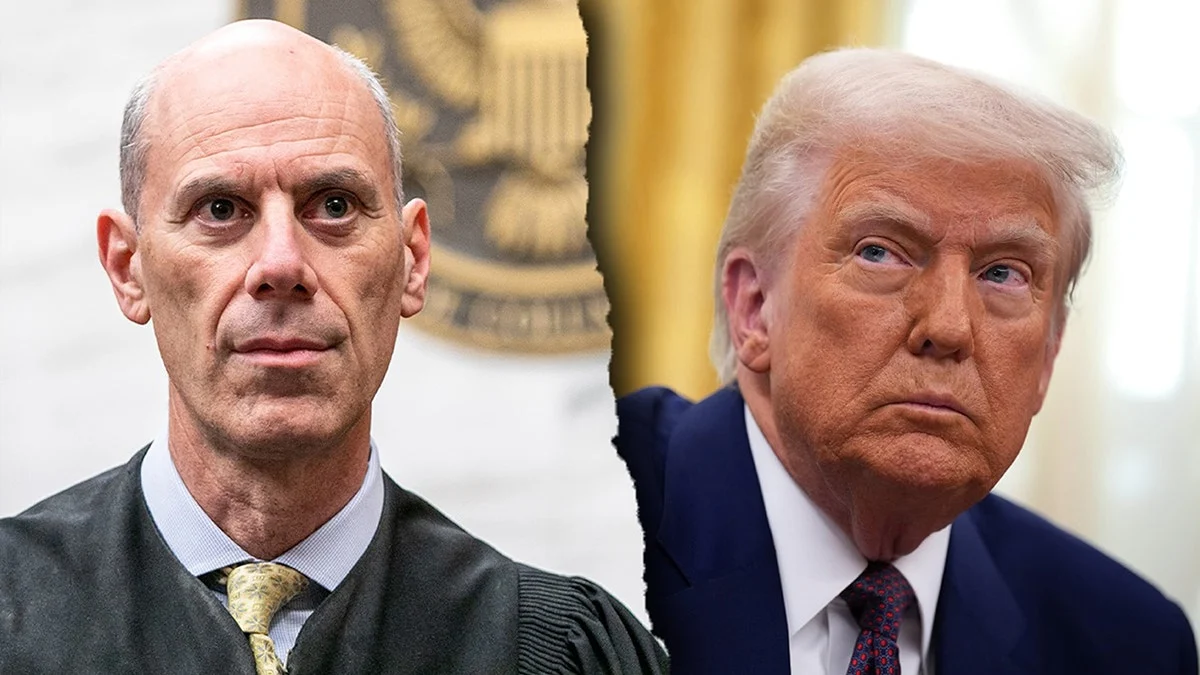
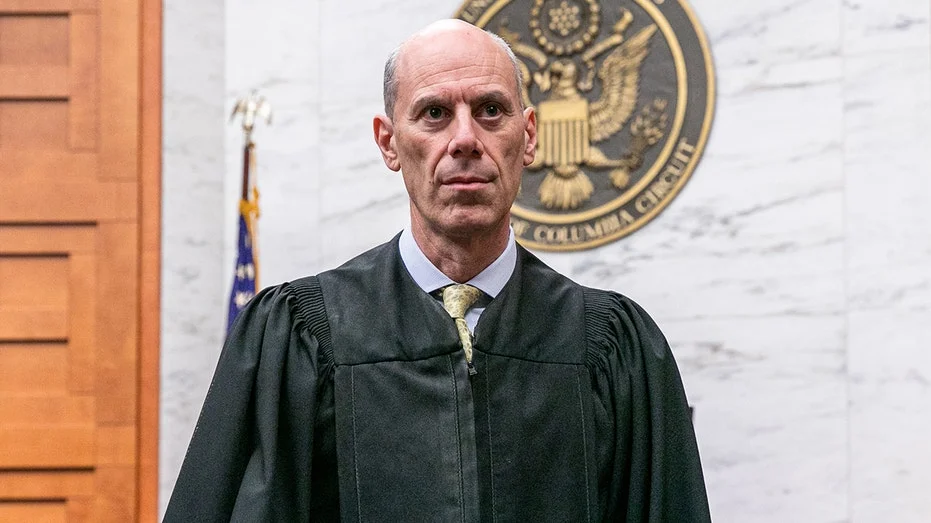
Chief U.S. District Judge James Boasberg has issued a temporary order requiring that magistrate judges be notified whenever a grand jury refuses to indict, aiming to increase transparency in federal grand jury proceedings. The order, issued on March 4, follows the Justice Department’s unsuccessful effort to indict six Democratic lawmakers accused of urging military personnel to disobey orders.
Key points
Details
The order specifies that if a grand jury fails to agree on an indictment in an original grand jury investigation, the grand jury foreperson must promptly report this in writing and under seal to the duty magistrate judge. These notifications will be kept confidential by the Clerk’s Office and not released publicly without court approval. The directive is set to remain in effect for 120 days while the court considers implementing a permanent local rule.
This measure arises after the Justice Department sought indictments in November against Representatives Jason Crow (D-Colo.), Maggie Goodlander (D-N.H.), Chris Deluzio (D-Pa.), Chrissy Houlahan (D-Pa.), and Senators Mark Kelly (D-Ariz.) and Elissa Slotkin (D-Mich.) for statements allegedly encouraging service members to refuse unlawful orders. The effort, viewed as politically charged, ultimately did not result in formal charges.
U.S. Attorney Jeanine Pirro, who pursued the indictments, criticized Judge Boasberg’s rulings, labeling him an “activist judge” and defending her prosecutorial efforts as thorough. The controversy over grand jury transparency and judicial oversight has drawn political attention, with some members of Congress seeking to impeach or defund Judge Boasberg over allegations of judicial overreach.
The court will review the temporary order’s impact before deciding on whether such grand jury notification requirements should become permanent.
For more stories on this topic, visit our category page.