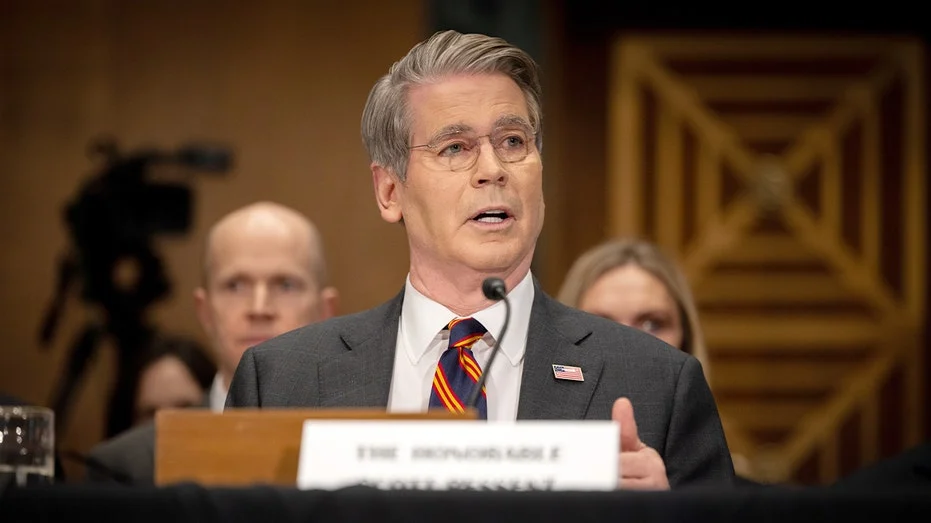
Treasury Secretary Scott Bessent announced that the U.S. government will not intervene in the oil futures market amid supply disruptions linked to the Iran conflict. Instead, the administration is focusing on boosting physical crude oil availability to stabilize global energy markets.
Physical Oil Supply Measures to Offset Iran Conflict Impact
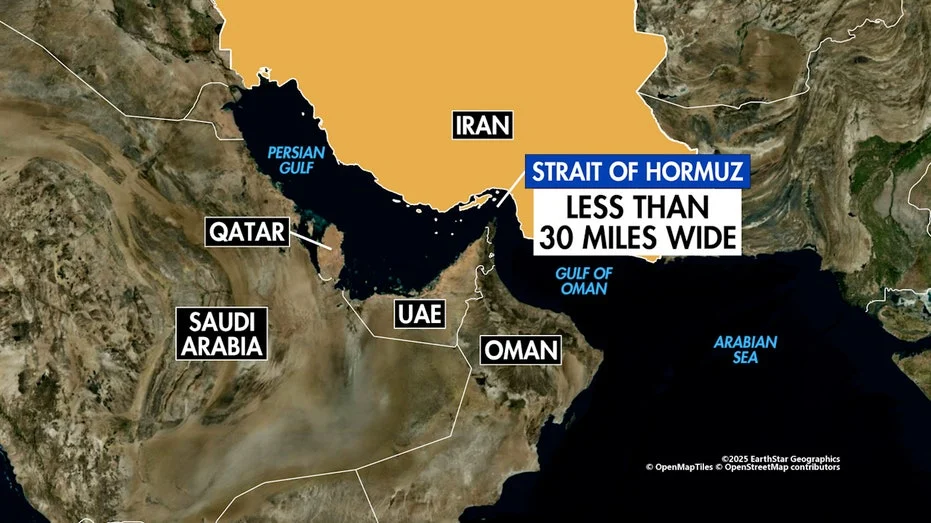
Bessent detailed a coordinated strategy to increase physical oil supplies around the Strait of Hormuz to mitigate any temporary chokehold disruptions. This includes “unsanctioning” Russian oil cargoes estimated at about 130 million barrels currently en route, as well as potentially releasing approximately 140 million barrels of Iranian oil held in floating storage.
By combining these measures, the U.S. would effectively add around 260 million barrels of oil to the market, which Bessent described as a “physical intervention” rather than financial market interference. This volume could cover a temporary supply deficit of 10 to 14 million barrels per day for roughly three weeks if shipping through the strait is obstructed.
Strategic Petroleum Reserve Releases and Additional Options
Bessent also referenced the largest coordinated Strategic Petroleum Reserve (SPR) release in history, totalling 400 million barrels, approved recently to combat price rises. He noted that the U.S. could implement further unilateral SPR releases if necessary to maintain price stability.
He emphasized that the U.S. strategy aims to balance exerting pressure on Iran with maintaining global energy market stability. In this context, the U.S. has avoided targeting Iranian energy infrastructure despite escalating military operations, prioritizing the preservation of oil supply.
For more stories on this topic, visit our category page.