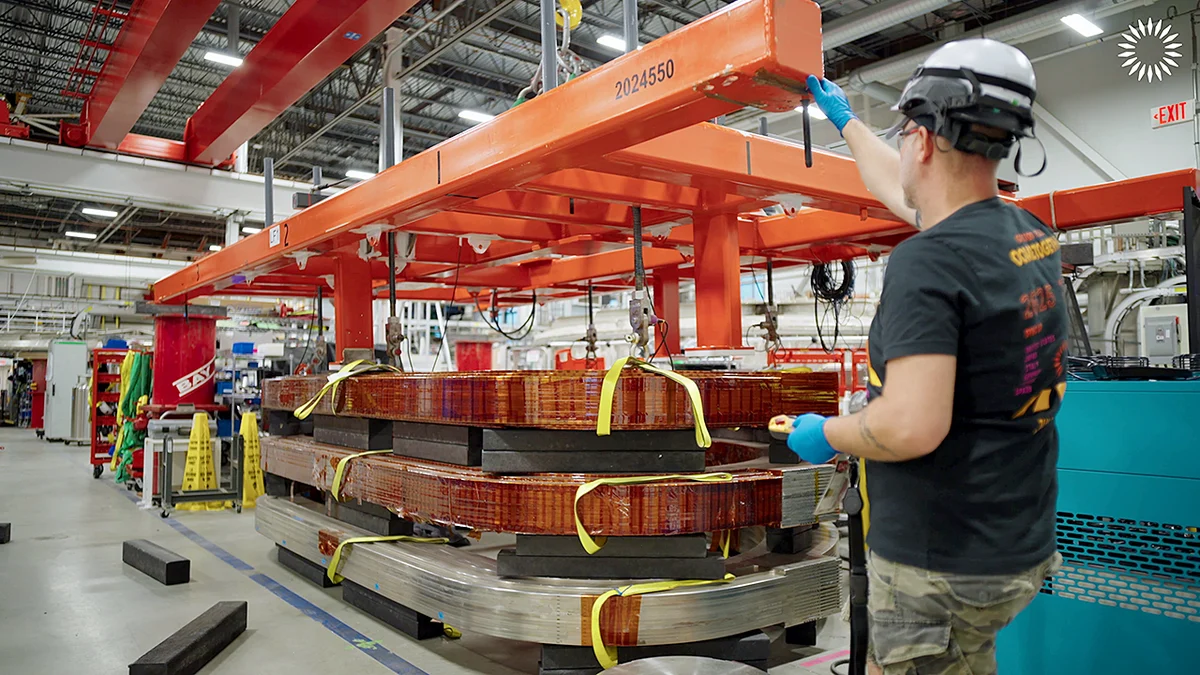
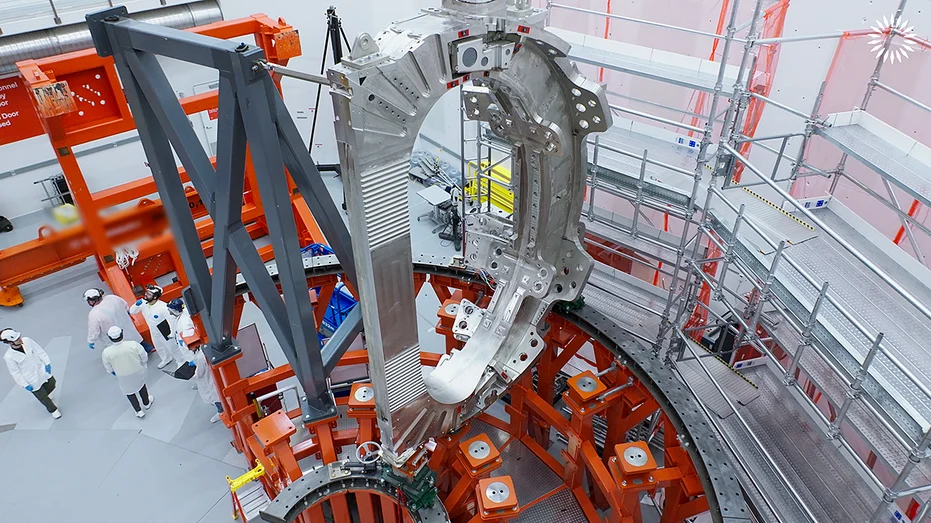
Commonwealth Fusion Systems announced plans to develop a viable nuclear fusion reactor by the early 2030s, marking a significant milestone in efforts to create fusion as a reliable power source. The company’s CEO Bob Mumgaard highlighted that recent scientific advances have shifted fusion from theoretical research to engineering challenges, enabling progress toward practical fusion energy.
Scientific Progress and Remaining Challenges
Nuclear fusion replicates the reactions powering the sun, requiring extreme temperatures and plasma conditions. Scientists have spent decades developing environments capable of sustaining fusion, but challenges remain, including building materials that can withstand intense heat and sustaining stable plasma. Currently, experimental fusion devices consume more energy than they produce, limiting their use to research rather than power generation.
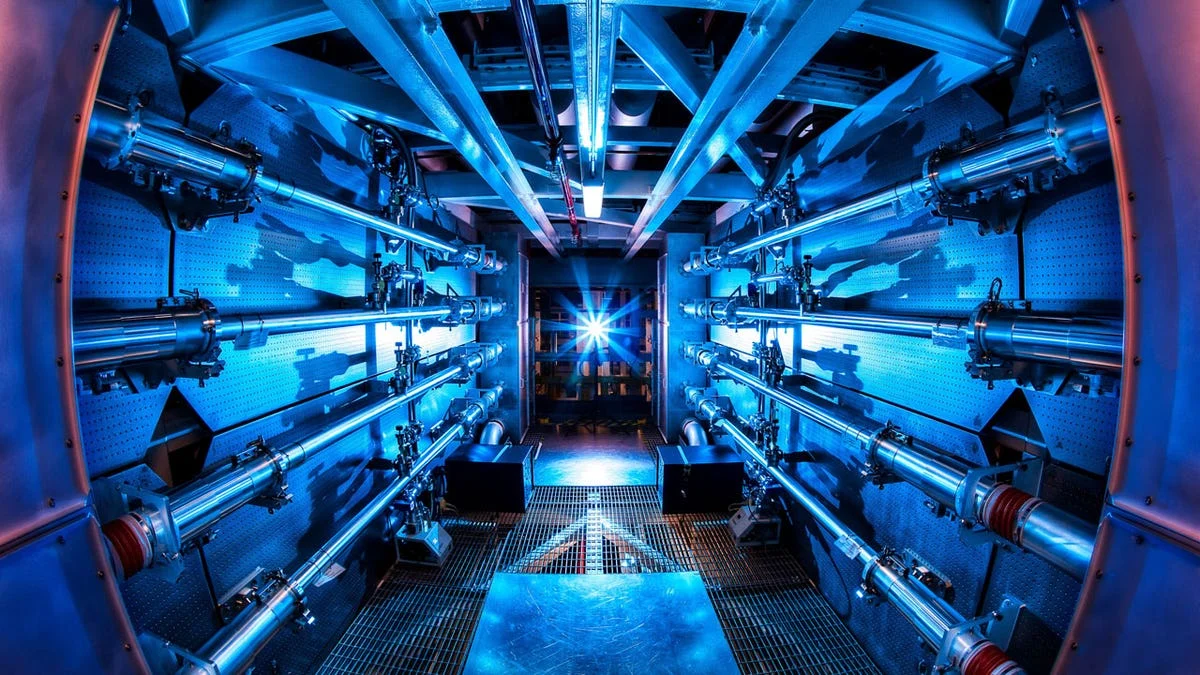
Mumgaard emphasized that these experimental efforts offer crucial learning, stating, “Right now, the machines consume more energy than they produce. So that’s not a power plant.” However, breakthrough experiments have shown progress, such as the National Ignition Facility’s 2022 demonstration where fusion produced more energy output than input for a brief moment, though on a small scale and with significant energy losses overall.
Fusion’s Role in Future Energy Supply
As global energy demand rises, fusion power is being considered as a possible solution to help alleviate strain on power grids. Exelon CEO Calvin Butler pointed out the importance of including fusion in future energy strategies, saying, “If and when fusion becomes commercially viable, it should also be in that equation.”
Advances in artificial intelligence have helped accelerate fusion research by improving plasma control and grid technology. Experts caution fusion is still uncertain and not imminent, but progress by companies like Commonwealth Fusion Systems signals a narrowing gap between experimental science and real-world energy production.
For more stories on this topic, visit our category page.