
Federal prosecutors charged three individuals linked to Super Micro Computer Inc. in a scheme to smuggle $2.5 billion worth of U.S. artificial intelligence servers to China using fake documents, shell companies, and staged dummy servers. The alleged scheme included $510 million in smuggling activity within a few weeks in 2025, officials announced on March 19, 2026.
Defendants and Alleged Tactics
The indictment names Yih-Shyan Liaw, 71, a U.S. citizen and senior vice president of business development at Supermicro; Ting-Wei Sun, 44, a contractor; and Ruei-Tsang Chang, 53, a sales manager in Taiwan. Liaw and Sun were arrested, while Chang remains at large. Prosecutors said the defendants worked with brokers and customers in China to place orders for servers equipped with U.S.-origin GPUs, falsely representing end users to evade export-control laws.
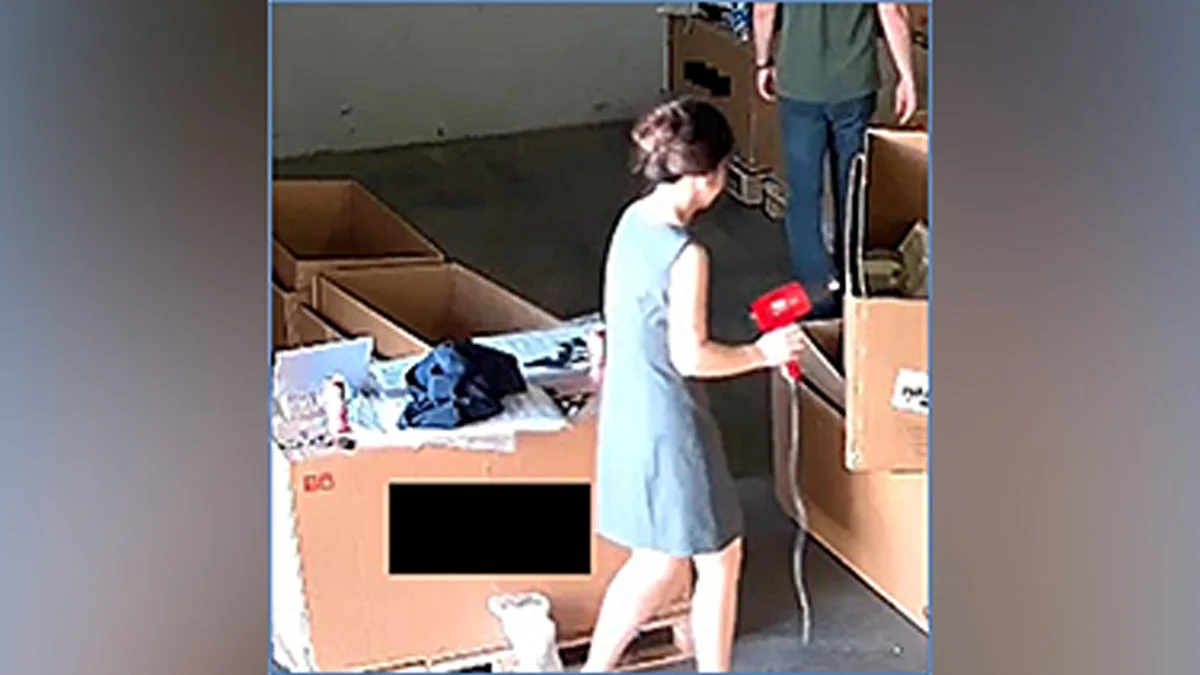
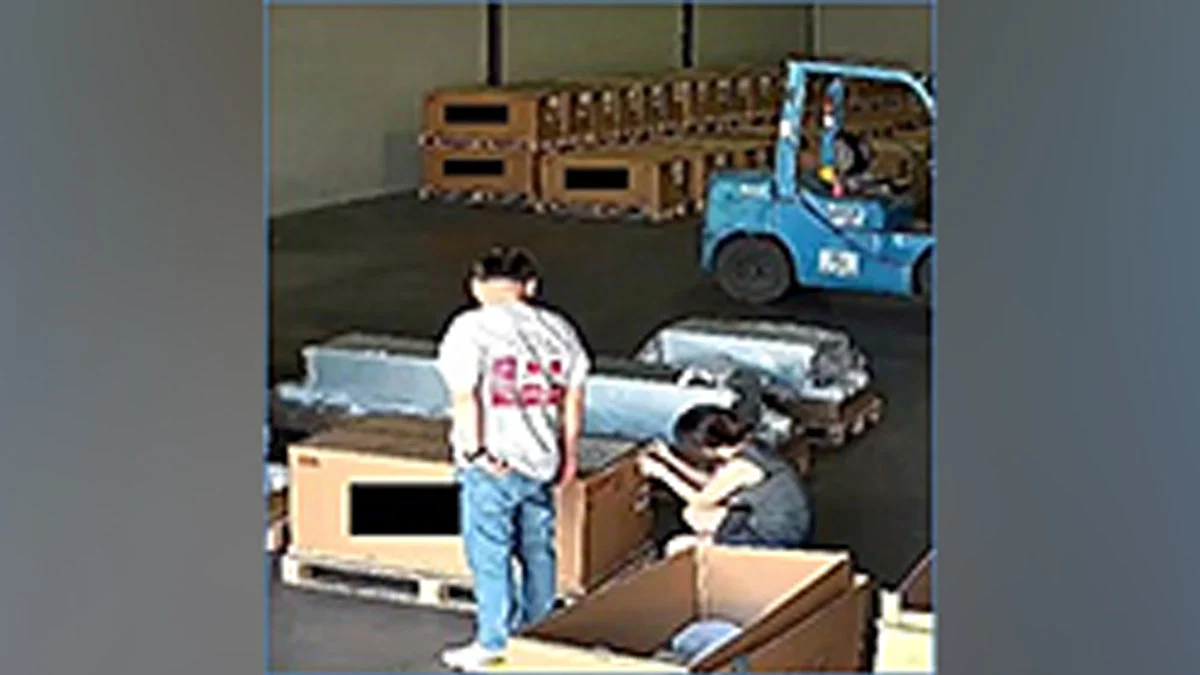
Authorities described tactics including using dummy servers—nonfunctional replicas—to mislead compliance inspectors. Surveillance footage reportedly captured the defendants repackaging these dummy servers in original boxes, altering labels and serial numbers with tools such as hair dryers ahead of U.S. Department of Commerce inspections.
Export-Control Violations and Company Response
The servers were assembled in the U.S., shipped to Taiwan, then repackaged in unmarked boxes before final shipment to China. False documents and communications were prepared to conceal the true destination. The U.S. Attorney for the Southern District of New York, Jay Clayton, called the scheme “systematic” and warned such diversion operations threaten national security and generate ill-gotten gains worth billions.
Supermicro confirmed the individuals charged were associated with the company but said it was not named as a defendant. Liaw and Chang were placed on administrative leave, and the company ended its relationship with Sun. Supermicro stated the conduct violated company policies and efforts to comply with export laws.
National Security and Enforcement Statements
Assistant Attorney General for National Security John A. Eisenberg emphasized that the chips involved represent “the product of American ingenuity” and pledged continued enforcement of export-control laws. FBI Assistant Director Roman Rozhavsky highlighted the importance of controlling sensitive AI technology exports to protect U.S. national security.
For more stories on this topic, visit our category page.