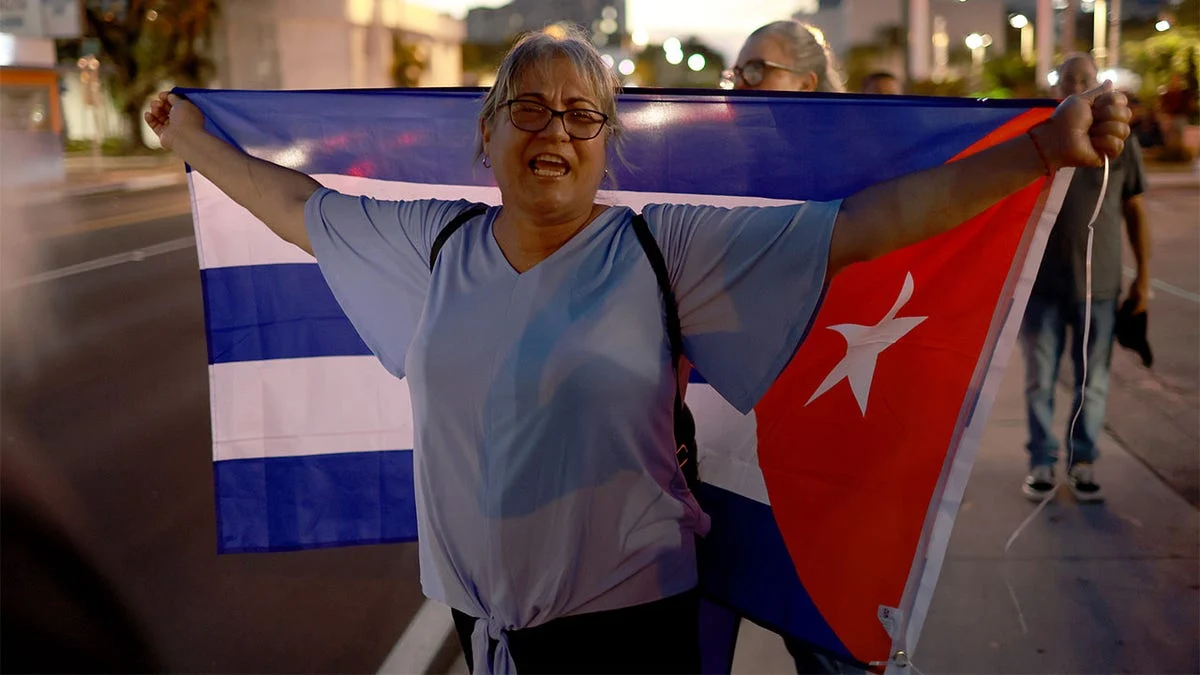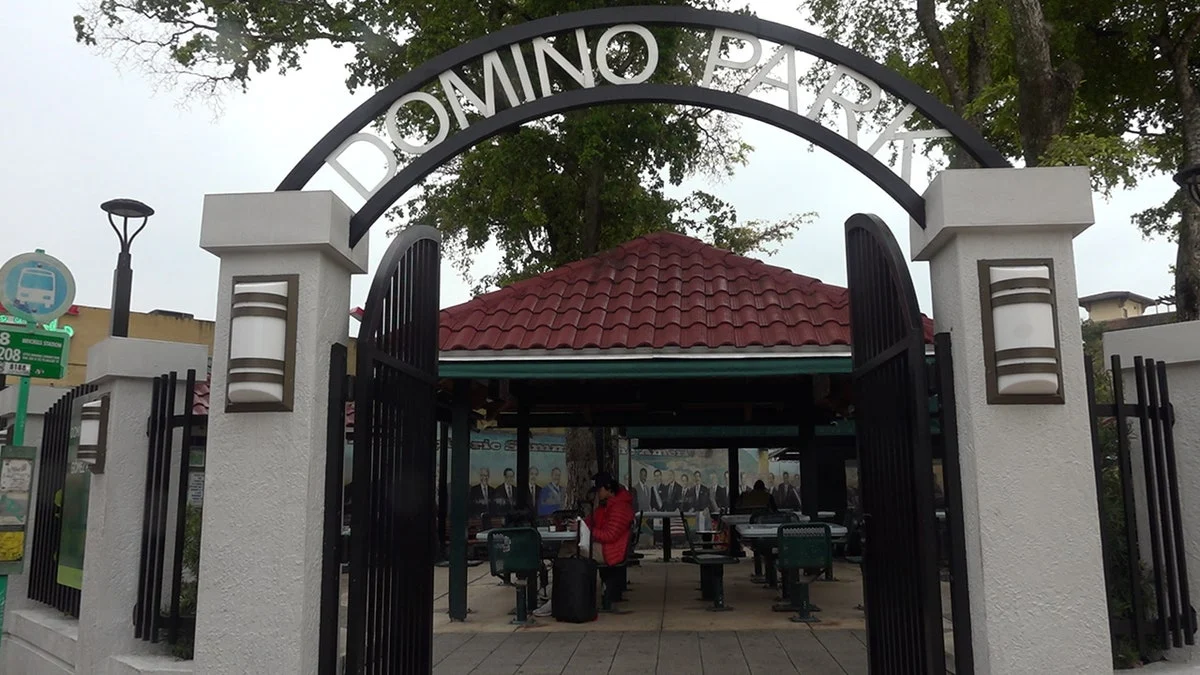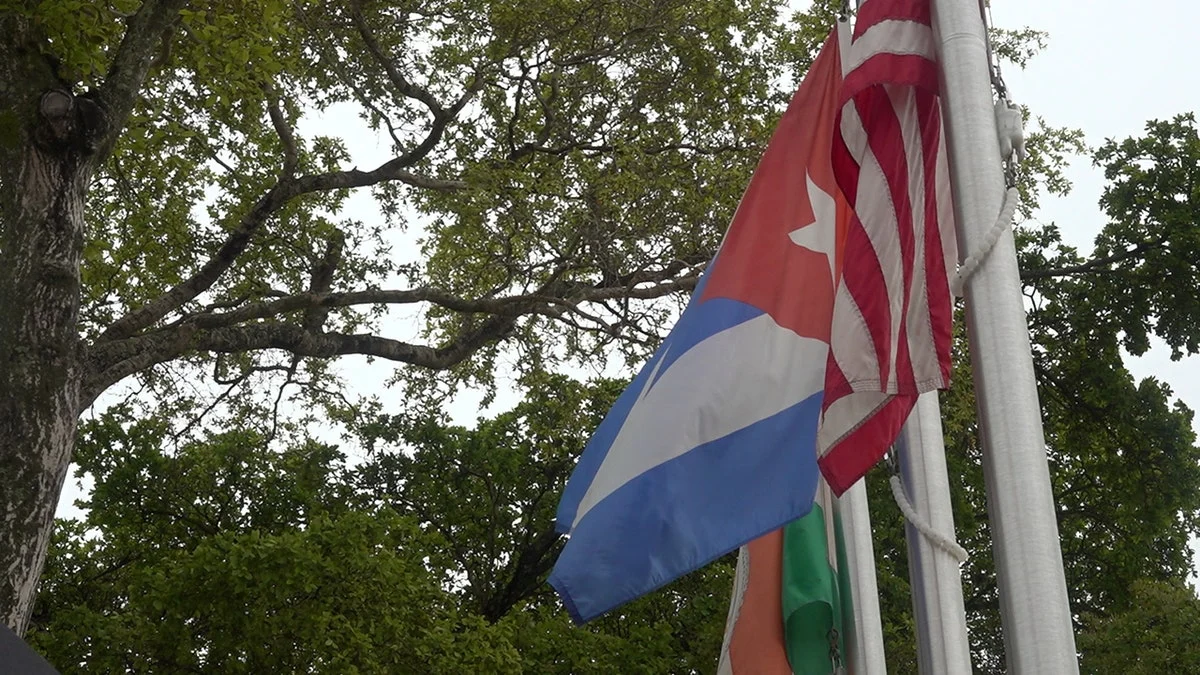
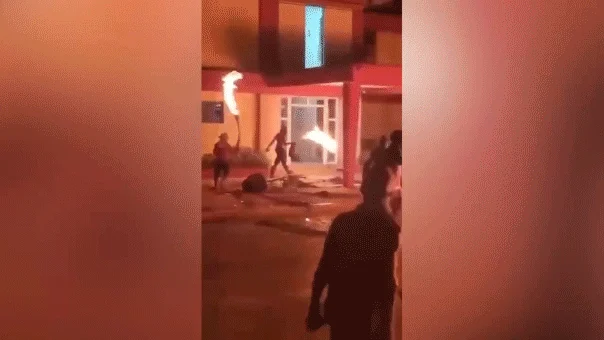
Miami’s Cuban exile community is closely watching escalating unrest in Cuba as the island faces widespread blackouts, economic collapse, and mounting public protests against the communist government. Recent power outages left nearly 10 million people without electricity, exacerbating shortages and deepening the nation’s crisis.
Blackouts and Economic Strain Fuel Unrest
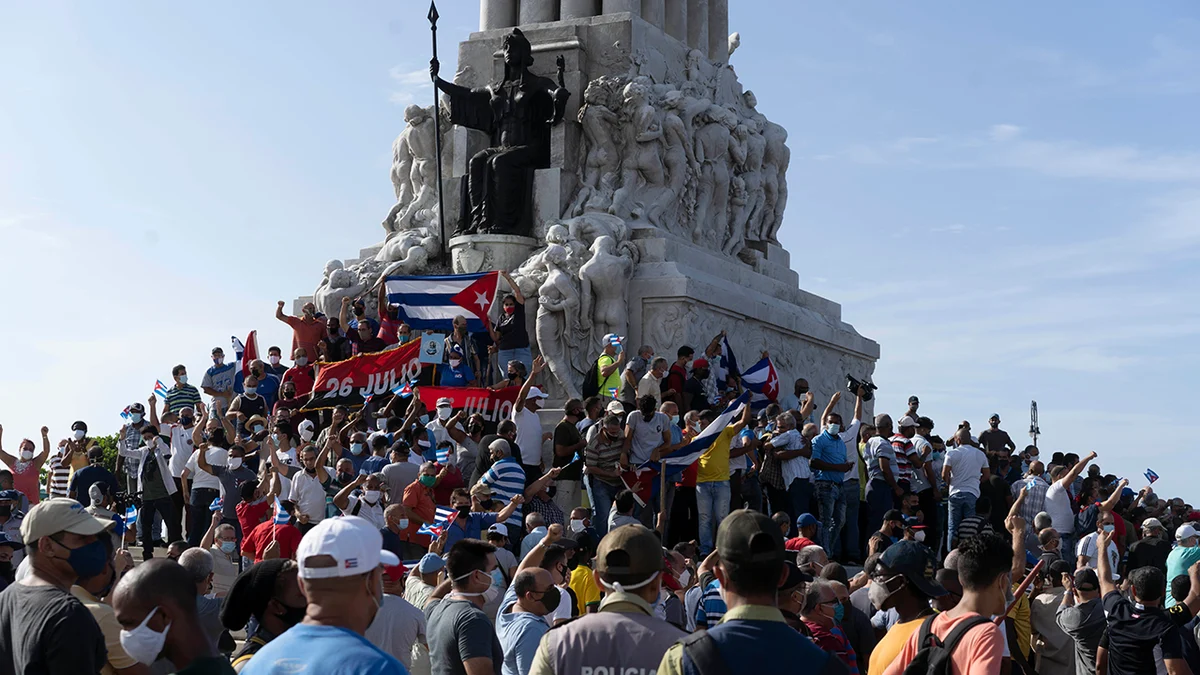
Cuba’s state-run power grid failed nationwide last week due to fuel shortages and malfunctions at aging power plants, according to Cuban officials and U.S. Embassy statements. The blackout worsened an already fragile economy, which has been impacted further by recent U.S. threats of tariffs on countries supplying oil to Cuba. Residents face severe shortages of basic goods and malnutrition, prompting rare daytime protests that included attacks on Communist Party buildings, such as one incident where a party headquarters was ransacked and nearly set on fire.
U.S. Officials Comment on Cuban Situation
President Donald Trump publicly declared his intention to “take Cuba” and expressed confidence in acting decisively regarding the island’s future, calling Cuba a “very weakened nation.” Senator Marco Rubio, son of Cuban immigrants, urged leadership change in Havana, stating that new leaders are necessary. Pentagon officials have clarified there are no plans for a U.S. invasion but acknowledge Cuba as a longstanding security concern.
Cuban Exiles Express Hope for Change
Miami-based Cuban exiles, many of whom fled the island decades ago, are interpreting the current crisis as a pivotal moment. Francisco Botella, a Cuban migrant in Miami, described the situation as “precarious” and said, “this is the end for Cuba,” suggesting a collapse of the current communist system is imminent. Jose Collazo, another exile, noted increased bravery among protesters compared to past demonstrations, reflecting growing frustration on the island.
For more stories on this topic, visit our category page.