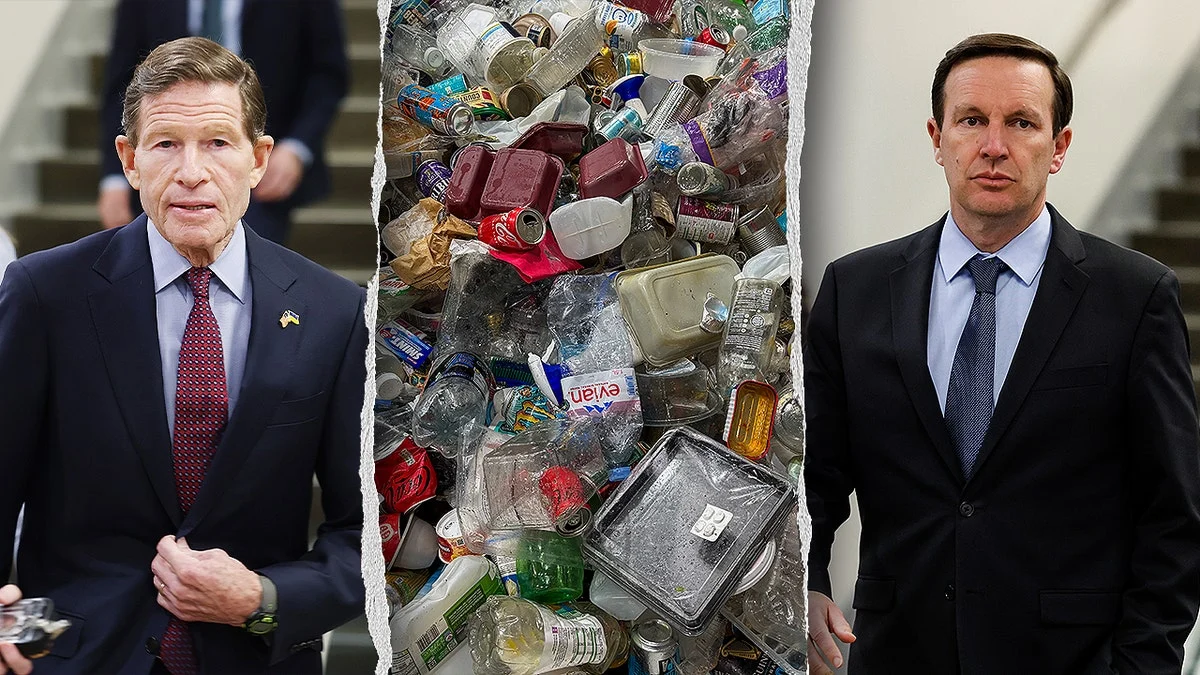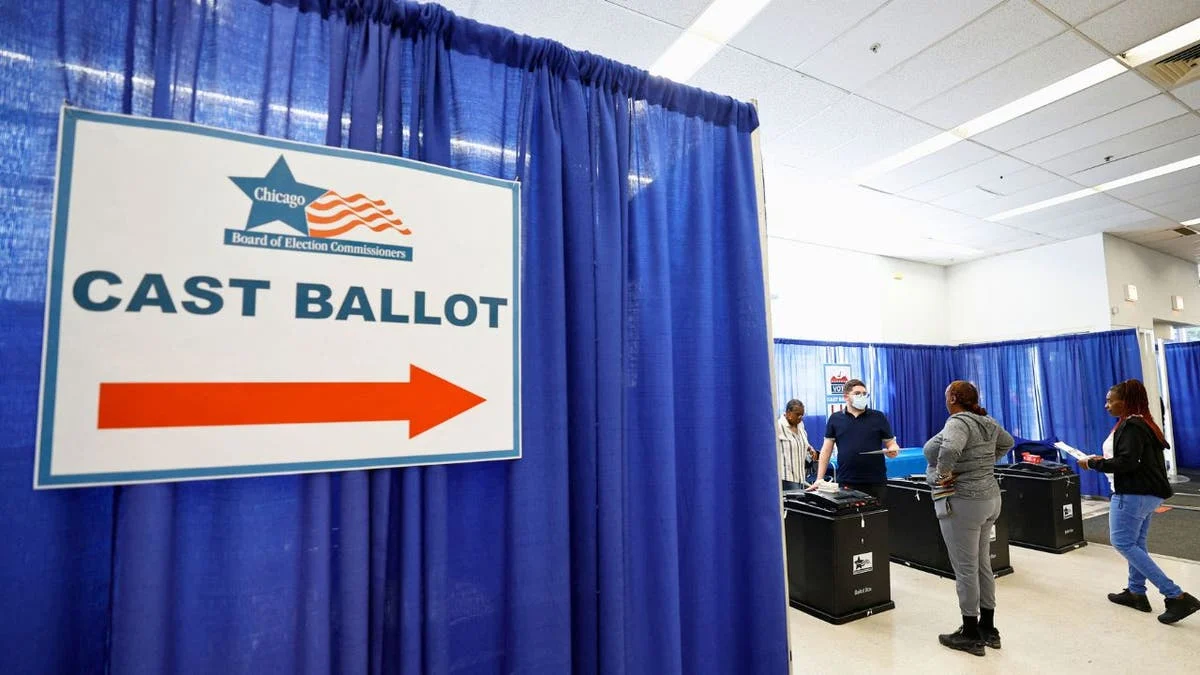
Connecticut Democrats recently enacted a law requiring residents to show a driver’s license when redeeming more than 1,000 cans or bottles in a single day, aiming to curb out-of-state recycling fraud. However, the state still does not mandate photo identification for voting, a distinction highlighted amid ongoing debates over election security.
New Recycling ID Requirement Passes Amid Revenue Concerns
The law, passed as Senate Bill 299 and signed by Governor Ned Lamont on March 3, targets non-residents who cross into Connecticut to exploit the state’s higher 10-cent container deposit rate. It requires bottle redemption centers to collect a copy of a driver’s license from recyclers exceeding the 1,000-can threshold. State officials cited significant revenue losses as motivation for the emergency bill introduced and expedited by Democratic legislative leaders.
Democratic Opposition to Federal Voter ID Legislation
Simultaneously, Connecticut’s two U.S. senators, Richard Blumenthal and Chris Murphy, voted against the SAVE Act, a Republican-led bill proposing stricter federal voter identification rules, including mandatory proof of citizenship for voter registration. The act was rejected in a Senate vote to advance debate, with Democrats pledging to block it.
Senator Blumenthal criticized the SAVE Act as a “voter purge bill,” arguing it would disenfranchise millions of Americans lacking the required documentation such as birth certificates or passports.
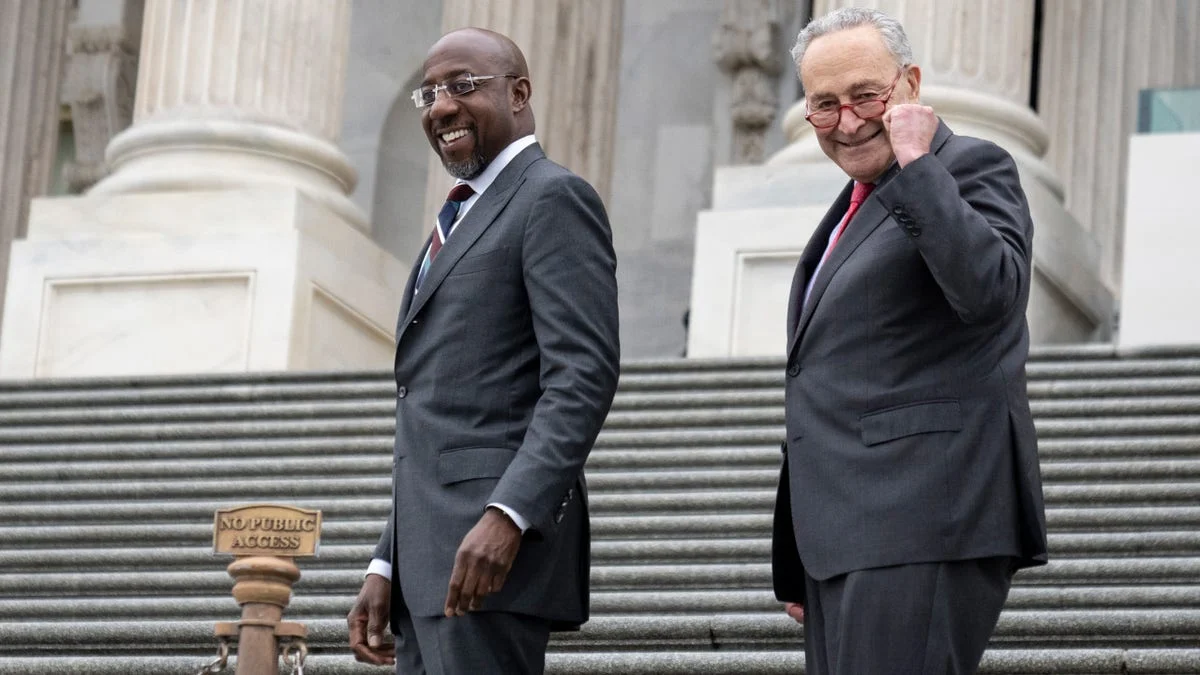
Senate Democrats including Chuck Schumer and Raphael Warnock acknowledged instances of non-citizens registered to vote but characterized such cases as rare and largely insignificant, opposing measures they view as burdensome to eligible voters.
Criticism Over Policy Discrepancies
Republican analysts have pointed to Connecticut’s contrasting policies on ID requirements for recycling versus voting as contradictory. Anna Pingel, Campaign Director at America First Policy Institute, remarked that the state appears committed to securing money from recycling but not ballot integrity, underscoring disagreement over the necessity of photo ID for elections.
For more stories on this topic, visit our category page.