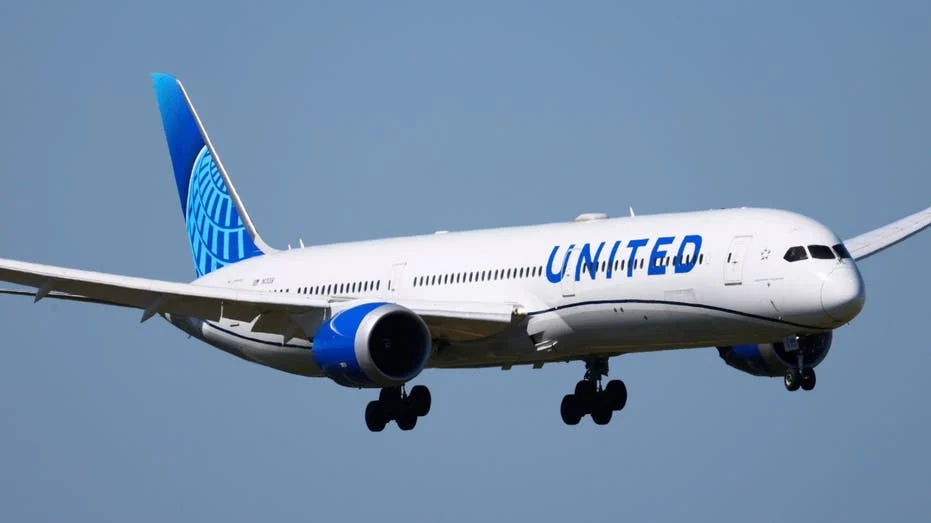
United Airlines announced it will reduce about 5% of its flight capacity in response to soaring fuel costs linked to the ongoing conflict involving Iran. CEO Scott Kirby outlined the decision in an internal memo, explaining that the airline is modeling oil prices at $175 per barrel and expects them to remain above $100 through the end of 2027.
Key points
Details
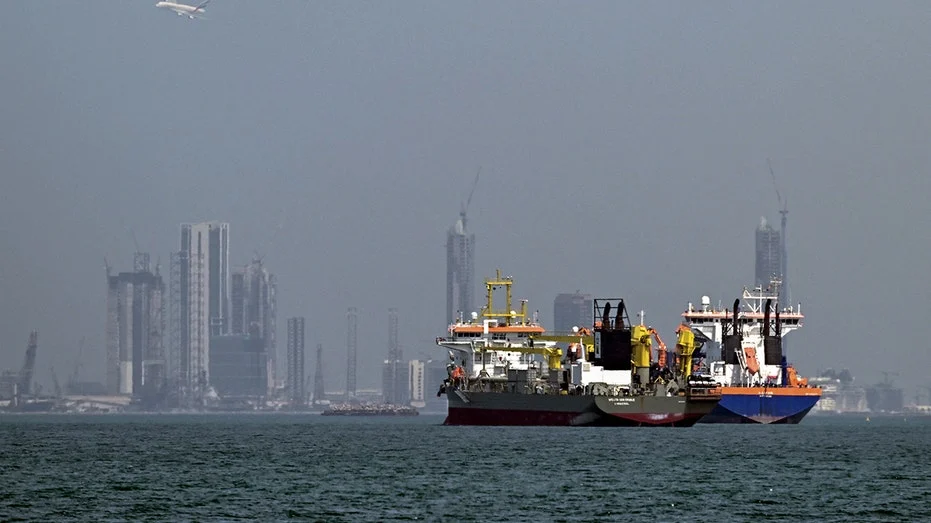
The capacity cuts will primarily affect less profitable routes, including reductions during off-peak times such as midweek and overnight flights. Specific reductions include about 1 percentage point at Chicago O’Hare and suspensions of service to Tel Aviv and Dubai. United plans to restore its full schedule by fall.
Kirby emphasized that despite the fuel price surge, demand remains strong, pointing out that United has recorded its ten highest weekly revenue figures in the past ten weeks. The airline is managing increased fuel expenses—which have more than doubled in three weeks and could add $11 billion annually—to avoid drastic measures like furloughs or aircraft order delays.
The airline will proceed with receiving approximately 120 new aircraft this year, including 20 Boeing 787s, and expects to take delivery of another 130 planes by April 2028. Kirby stated the strategy focuses on trimming unprofitable flights in the short term while maintaining long-term growth plans.
Other major U.S. airlines, such as Delta Air Lines, have not yet implemented flight cuts but have indicated capacity reductions could happen if high fuel prices persist. International carriers have taken more immediate actions, with some raising fares and others canceling flights due to elevated fuel expenses and airspace uncertainties related to the Iran conflict.
For more stories on this topic, visit our category page.