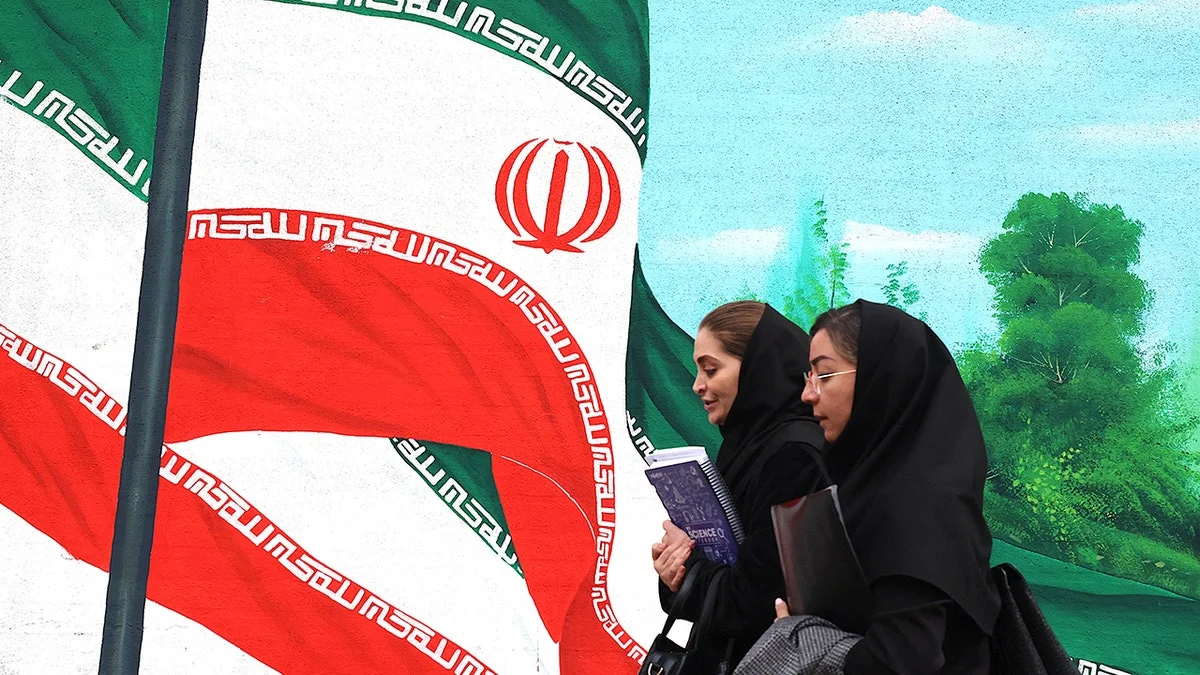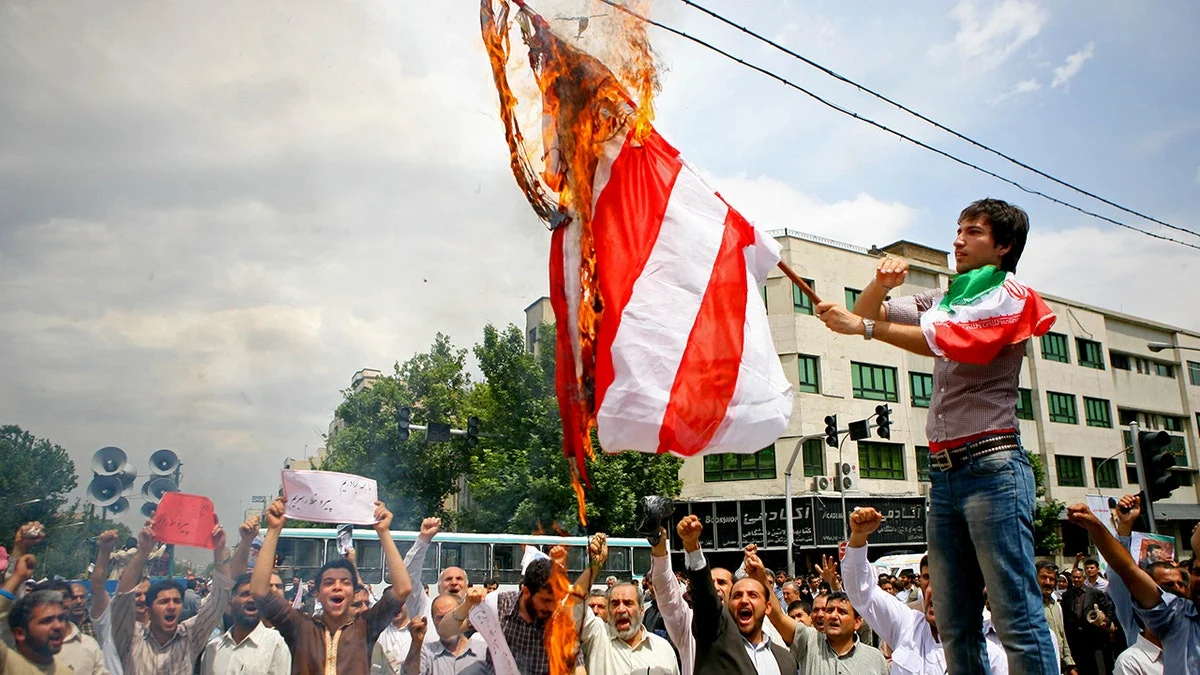
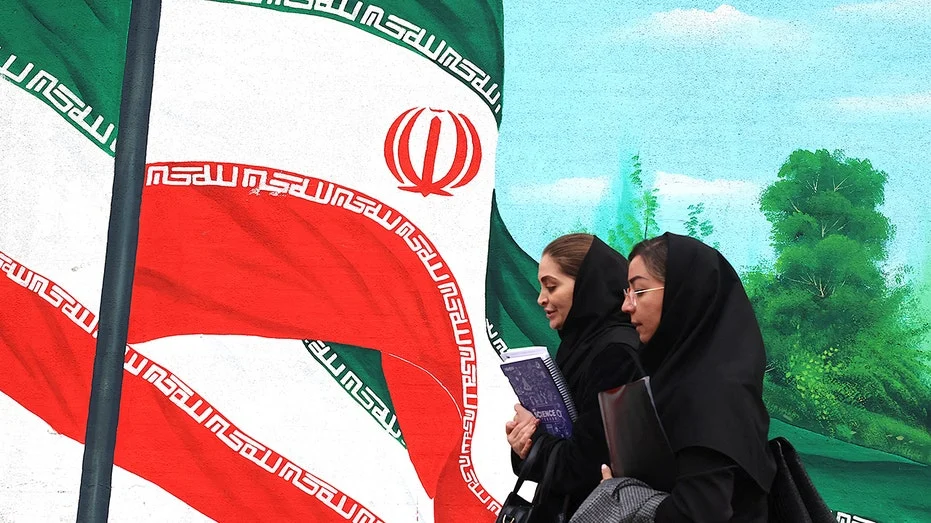
Children of Iran’s ruling elite are reported to live privileged lives across Western countries while ordinary Iranians continue to face economic hardship and heavy regime restrictions at home. This phenomenon, often referred to in Iran as “aghazadeh,” highlights a stark contrast between the regime’s public anti-Western rhetoric and private arrangements for their families abroad.
Elite Families Secure Western Futures
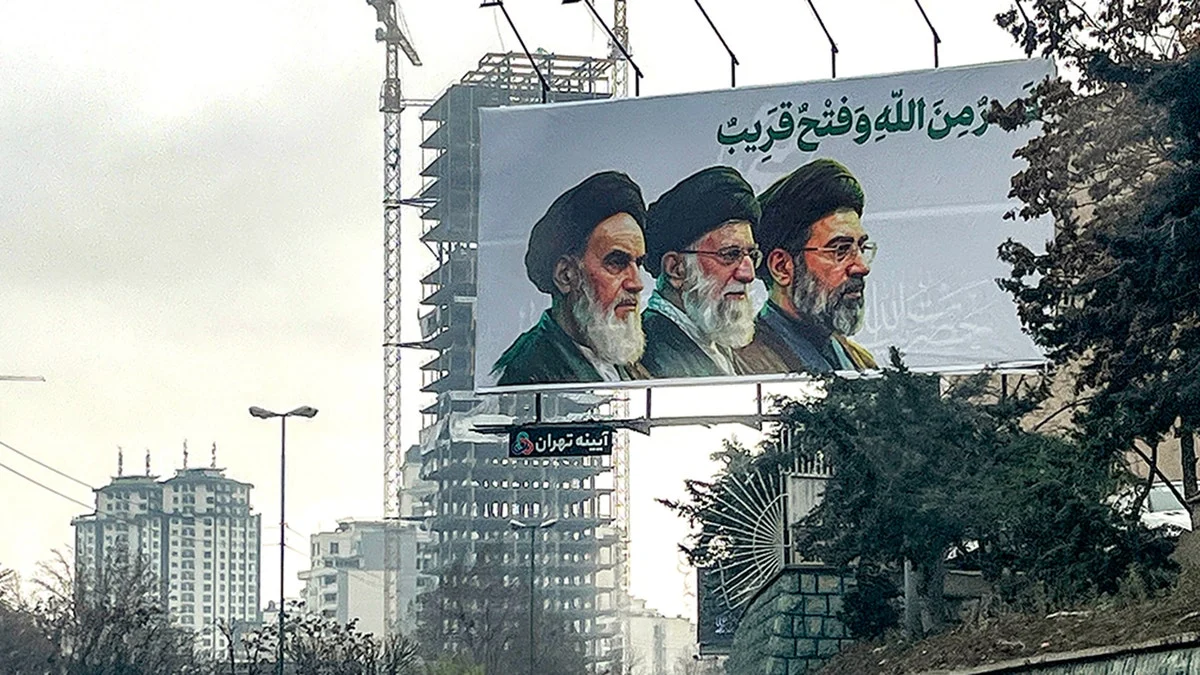
Investigations reveal that many offspring of senior Islamic Revolutionary Guard Corps (IRGC) commanders and clerical leaders hold residences, pursue education, and establish careers in major Western cities, financed by resources accumulated through corruption and state control. Kasra Aarabi, director of IRGC research at United Against Nuclear Iran, described this system as one of deep hypocrisy, noting that while Iran’s regime aggressively promotes anti-Americanism and Islamicization domestically, its elite’s children benefit from blood money in the West.
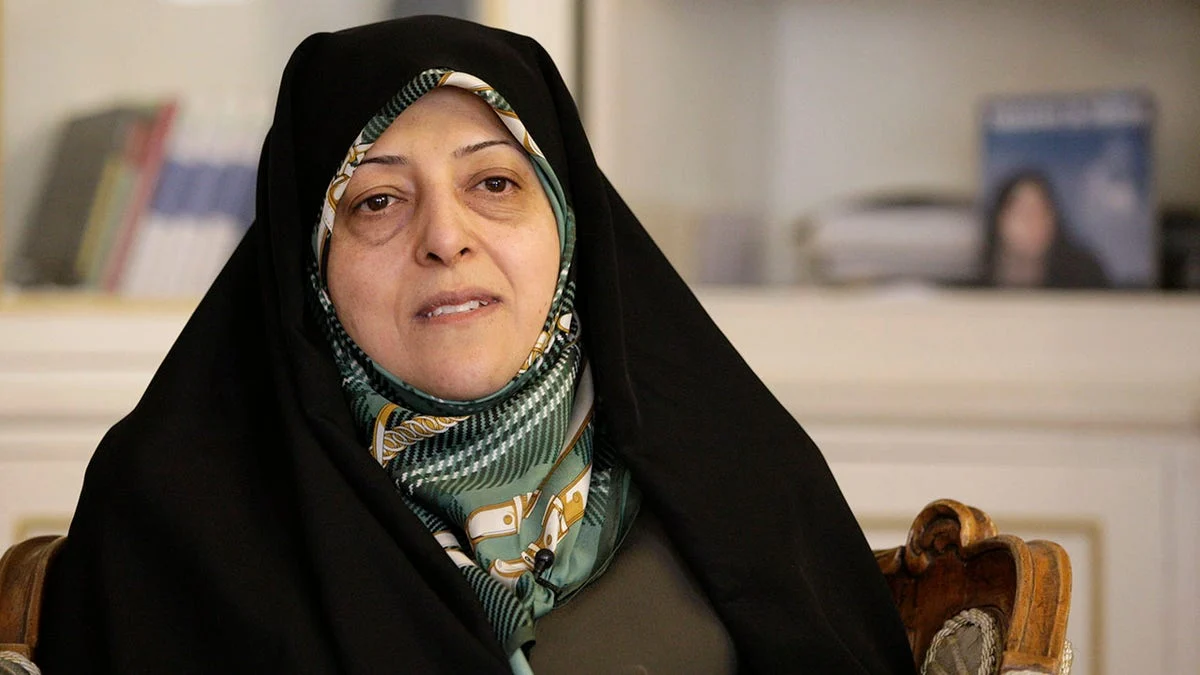
An illustrative case is Masoumeh Ebtekar, the English-speaking spokesperson for the 1979 U.S. embassy hostage crisis, whose son now studies and works in academia in Los Angeles. This example underscores a pattern where regime families simultaneously maintain an antagonistic stance toward the West while their children build comfortable lives there.
A Structured Presence in Western Societies
Exiled journalist Mehdi Ghadimi described the presence of regime-linked individuals in Western countries as a three-tiered network, particularly visible in Canada and the U.S. It starts with students and academics who, while appearing as ordinary immigrants, maintain connections to the IRGC or the regime’s security apparatus. They act partly to normalize Iran’s regime within universities and gather intelligence on dissidents and activists.
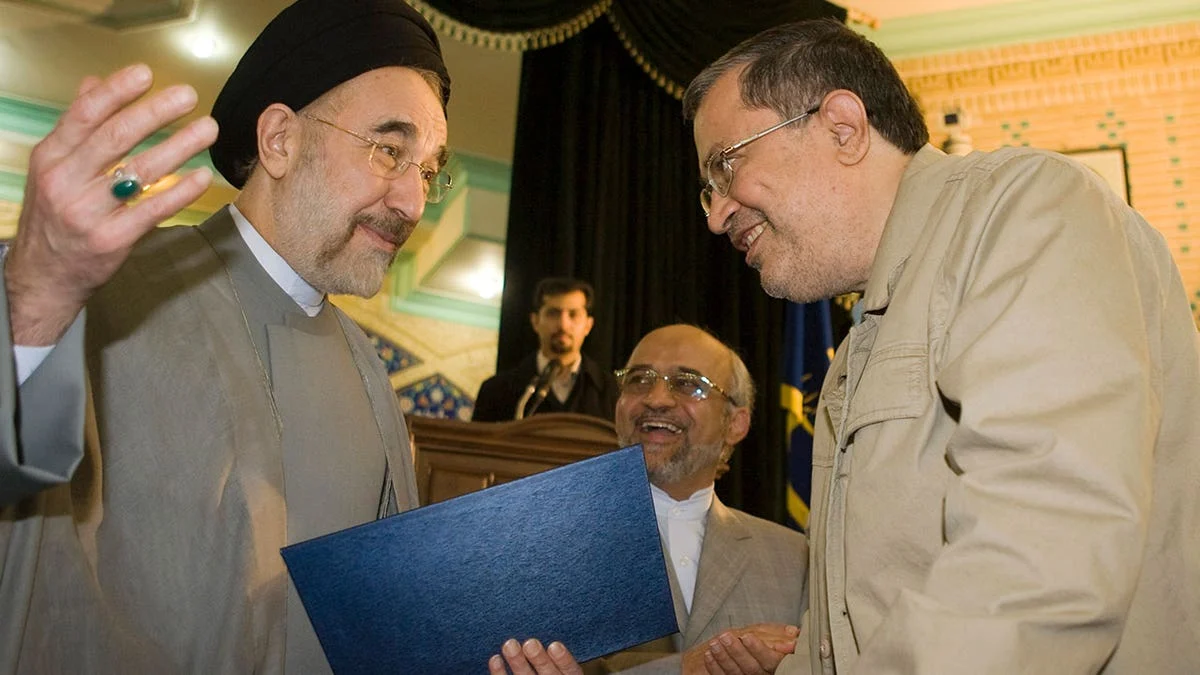
Recent reports highlight figures like Leila Khatami, daughter of former Iranian President Mohammad Khatami, studying at Union College in New York, indicating how regime-linked families embed themselves in Western institutions. This network is considered part of a strategic approach to extend Iranian influence abroad while insulating family members from the consequences of domestic governance.
For more stories on this topic, visit our category page.