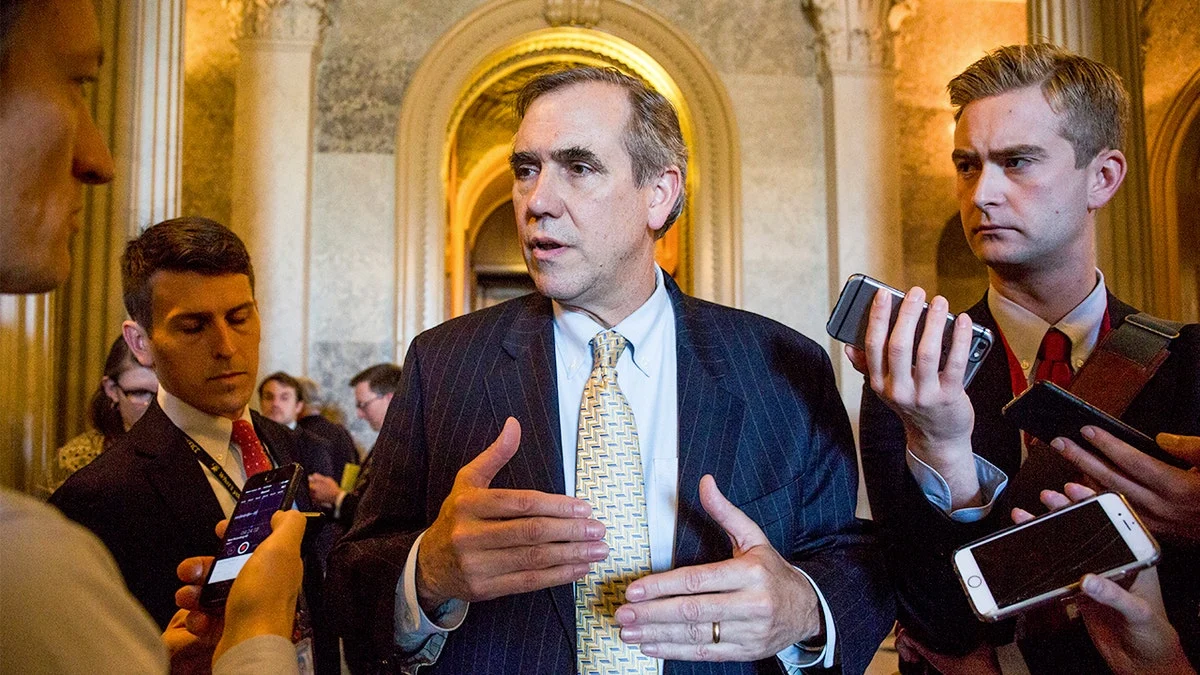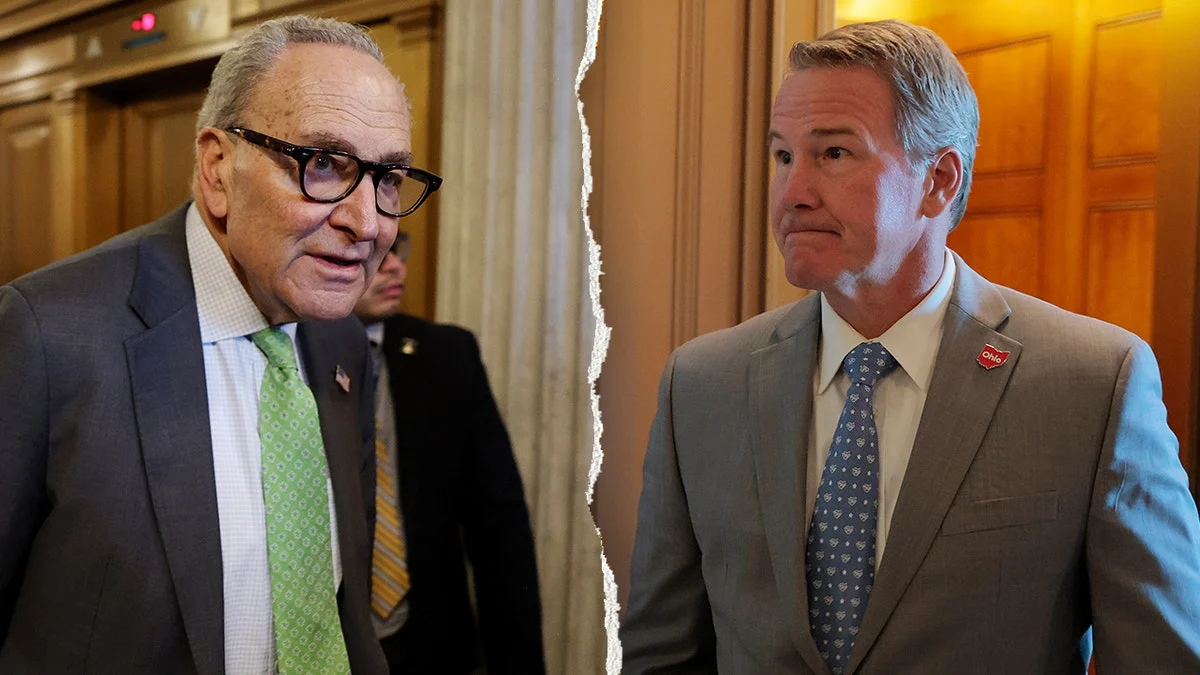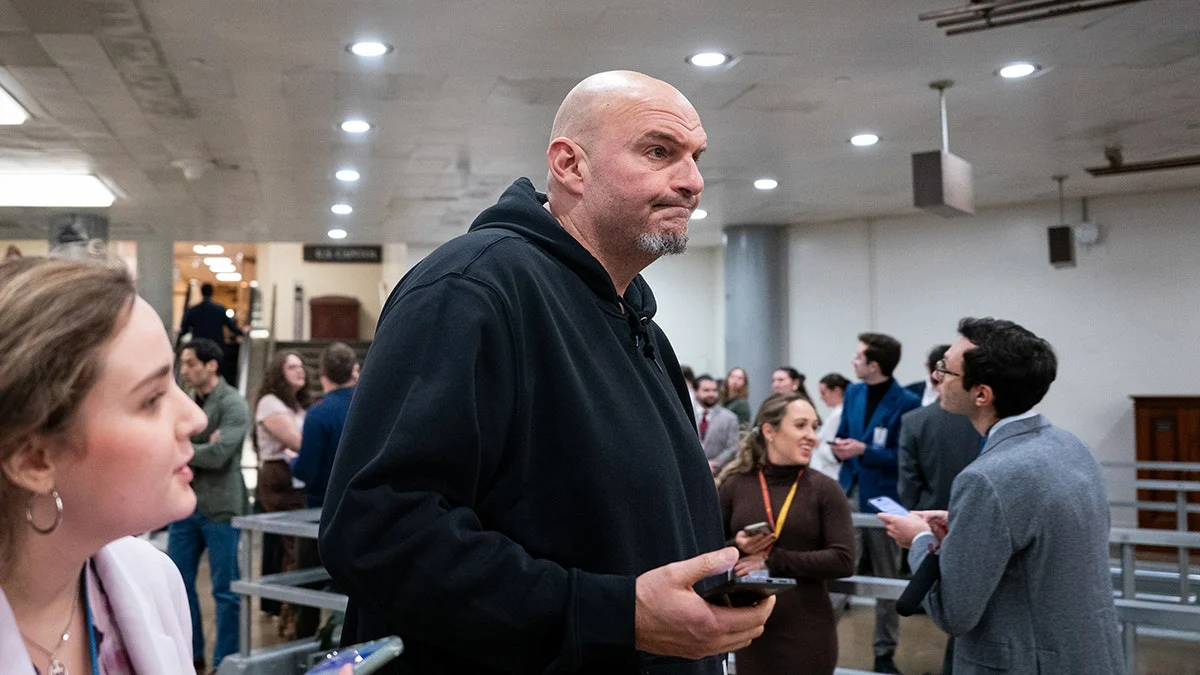
Senator Jeff Merkley, a Democrat from Oregon, blocked a Republican-led bill to impose a nationwide voter ID requirement on the Senate floor Thursday night, despite some Democratic leaders expressing public support for voter ID laws. The measure, proposed by Senator Jon Husted, a Republican from Ohio, failed to pass by unanimous consent after Merkley’s objection.
Republican Proposal for Nationwide Voter ID Requirement
The bill from Sen. Husted aimed to establish a nationwide voter ID rule, allowing voters to verify identity using state-issued driver’s licenses, U.S. passports, or military and tribal IDs. Thirty-six states currently maintain similar requirements at the state level. Husted, who is campaigning for a full six-year Senate term in November, criticized Democrats for publicly supporting voter ID laws but opposing this legislation on the Senate floor.
Democratic Statements and Senate Debate on Election Legislation
Some Democratic senators, including Senate Majority Leader Chuck Schumer and Senator John Fetterman of Pennsylvania, have voiced conditional support for voter ID laws. Fetterman, who opposes the broader Trump-backed SAVE America Act restricting mail-in ballots, called for a “clean standalone bill” on voter ID, indicating he would vote in favor if presented one. However, Democrats have resisted the SAVE America Act overall, particularly opposing its proof-of-citizenship components.
The SAVE America Act is currently facing a prolonged floor fight controlled by Senate Republicans. Its prospects remain uncertain due to insufficient Republican unity and expected Democratic opposition. Senator Mike Lee, a Republican from Utah and the bill’s lead sponsor, questioned why Democrats would support voter ID but reject proof of citizenship measures within the same package.
Political Context and Public Opinion
A September 2025 Fox News poll found 84% of registered voters supported requiring photo ID to prove citizenship before voting, highlighting broad public approval for voter ID laws. Despite this, Democrats appear reluctant to pass standalone legislation, with concerns about elements tied to the larger election reform bills.
For more stories on this topic, visit our category page.