
Bank of America CEO Brian Moynihan outlined the bank’s historical role in supporting the U.S. economy since its earliest days in a letter accompanying the firm’s 2026 annual report, marking the nation’s 250th anniversary. Moynihan highlighted that Bank of America’s oldest predecessor, The Massachusetts Bank, was established in 1784, shortly after the Revolutionary War, playing a key role in financing early American businesses.
Bank of America’s Regional Foundations and Economic Contributions
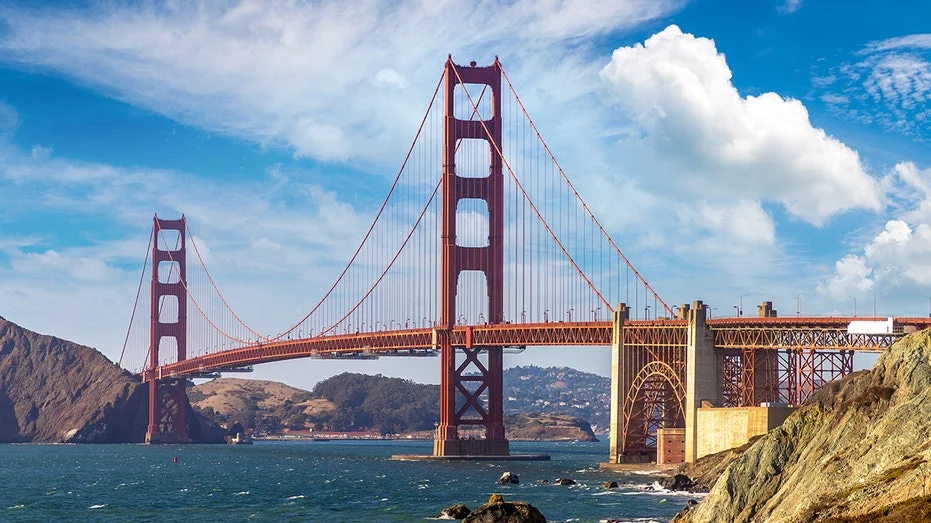
Moynihan emphasized how Bank of America’s legacy institutions originated across the United States, from New England and North Carolina to Texas and the Pacific Northwest, each helping finance regional economic development. For example, North Carolina’s franchise aided the transition from an agrarian to an industrial economy, while banks in the nation’s capital expanded alongside the federal government. The firm traces its origins through legacy banks that financed major projects like the Erie Canal and the Golden Gate Bridge, as well as supporting U.S. government needs during the War of 1812, World War I, and World War II.
International Expansion to Support American Industry
Bank of America also expanded globally to assist American businesses and government efforts, opening operations in Argentina in 1917 to support wool trade and in Great Britain in 1931 as the U.S. became a creditor nation after World War I. Post-World War II, it was the first bank to open in Japan at the U.S. occupation government’s request to finance economic recovery. The bank later established operations in France in 1953 for European postwar reconstruction and entered the Middle East in 1972 to aid U.S. companies developing regional resources.
Moynihan framed the bank’s history as intertwined with the growth of American capitalism and democracy, helping small businesses, governments, and industries through loans, investments, and infrastructure financing over two and a half centuries.
For more stories on this topic, visit our category page.