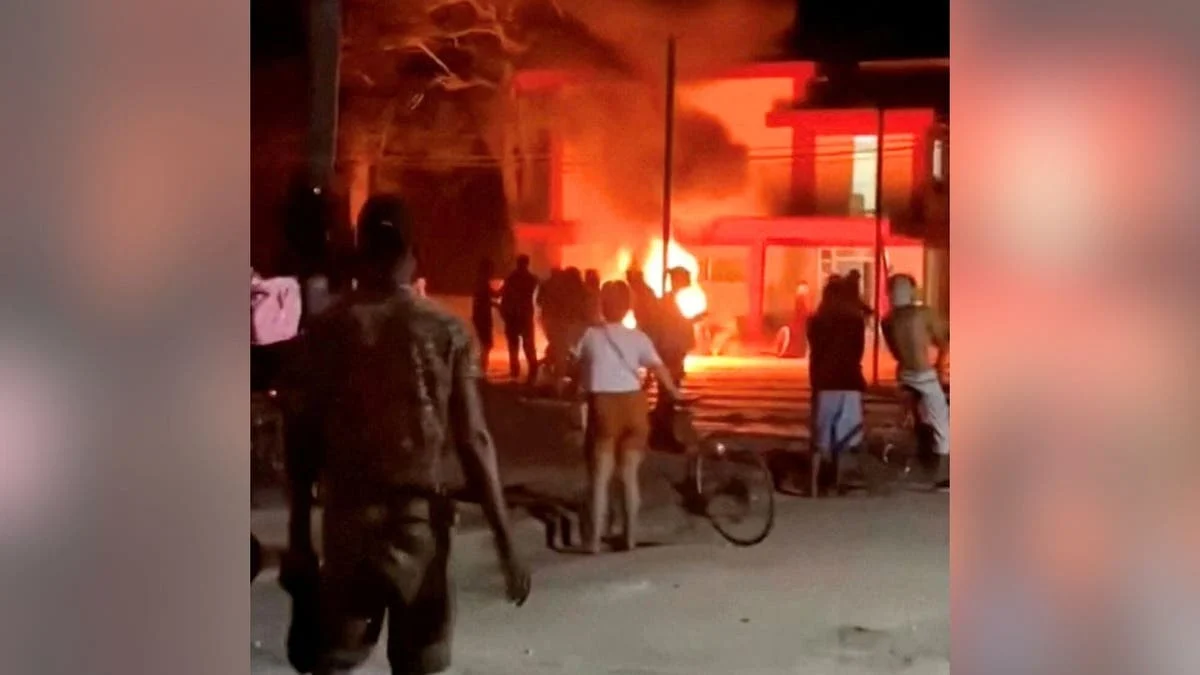
The United States, under President Donald Trump, signaled potential action on Cuba as the island faces a severe internal crisis marked by economic collapse, blackouts, and fuel shortages. Experts warn that there is no clear successor to President Miguel Díaz-Canel, raising questions about Cuba’s political future amid mounting pressures.
No Clear Leadership Successor in Cuba
Analysts attribute the leadership vacuum to a system intentionally designed to prevent independent leadership. Melissa Ford Maldonado, Director of the Western Hemisphere Initiative at the American Foreign Policy Institute, told Fox News Digital that decades of controlling communication, restricting assembly, surveillance, repression of the press, and criminalization of dissent have eliminated viable opposition forces.
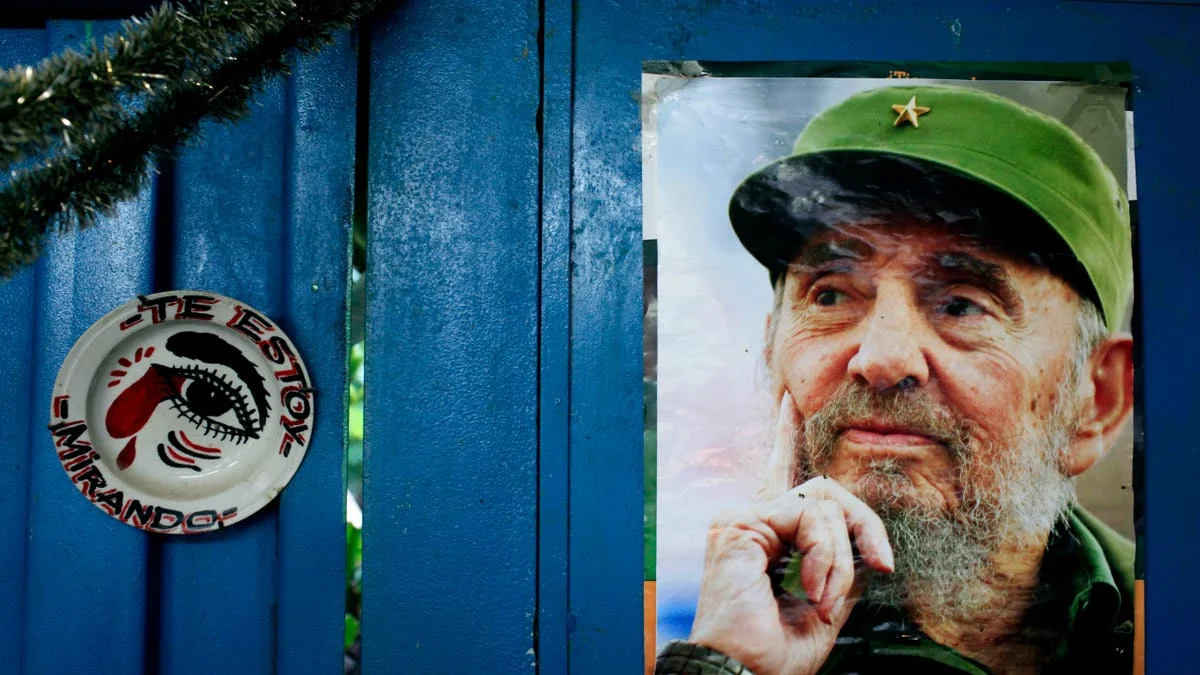
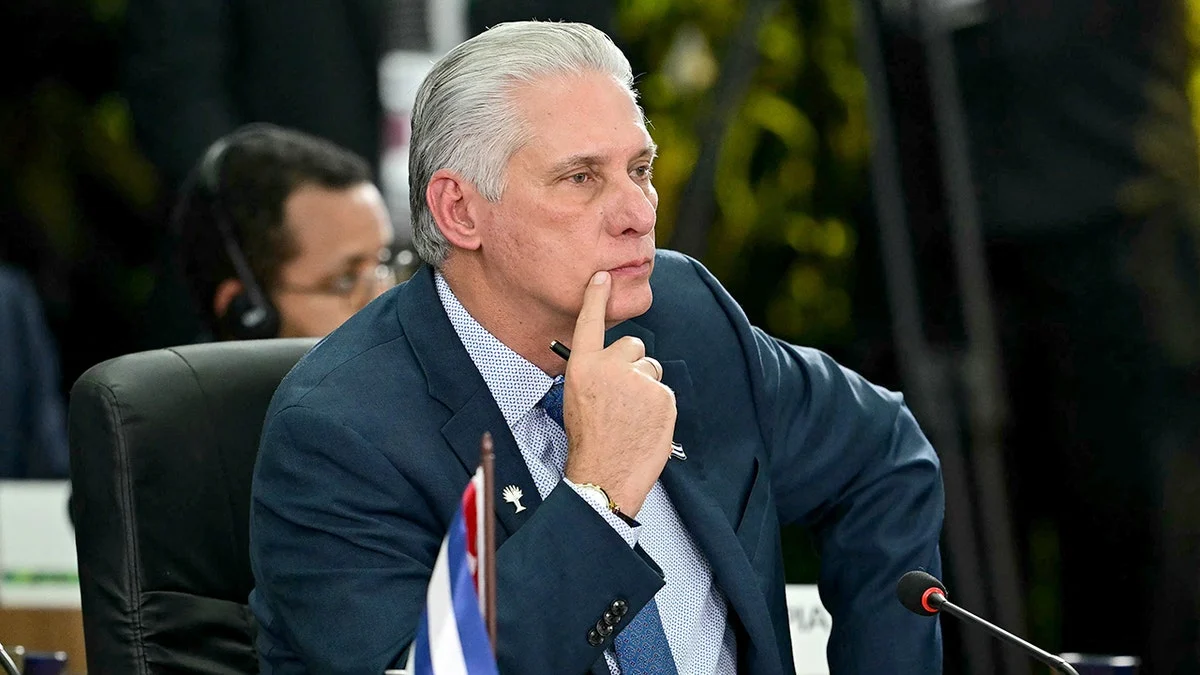
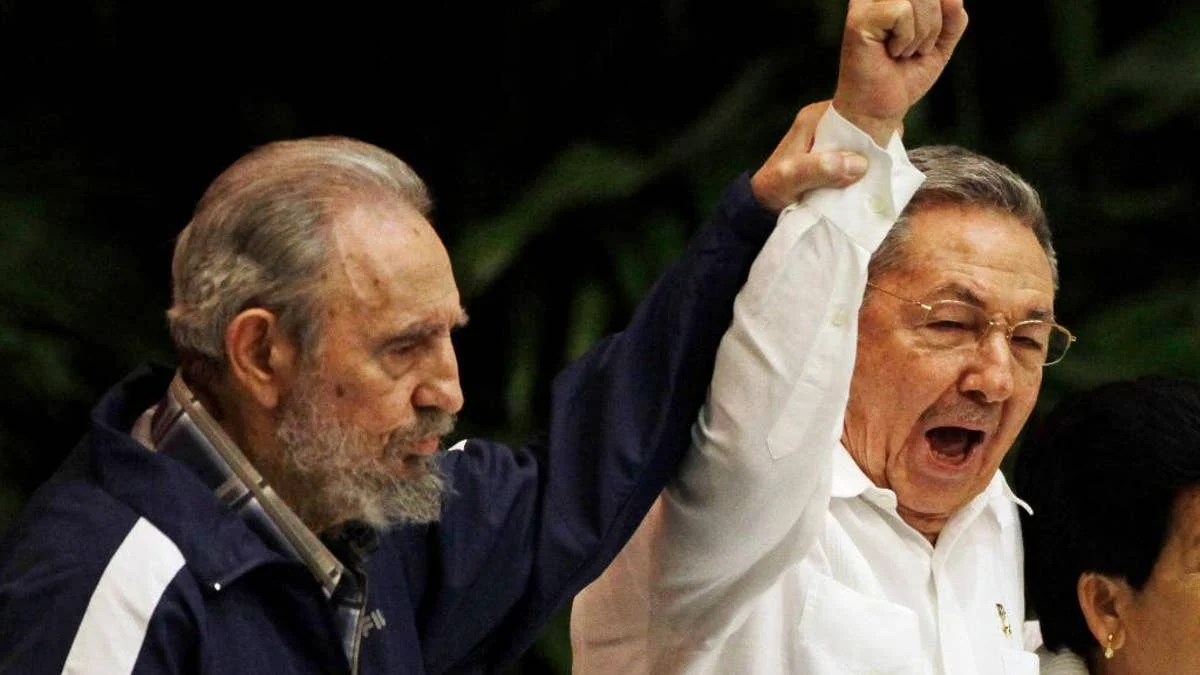
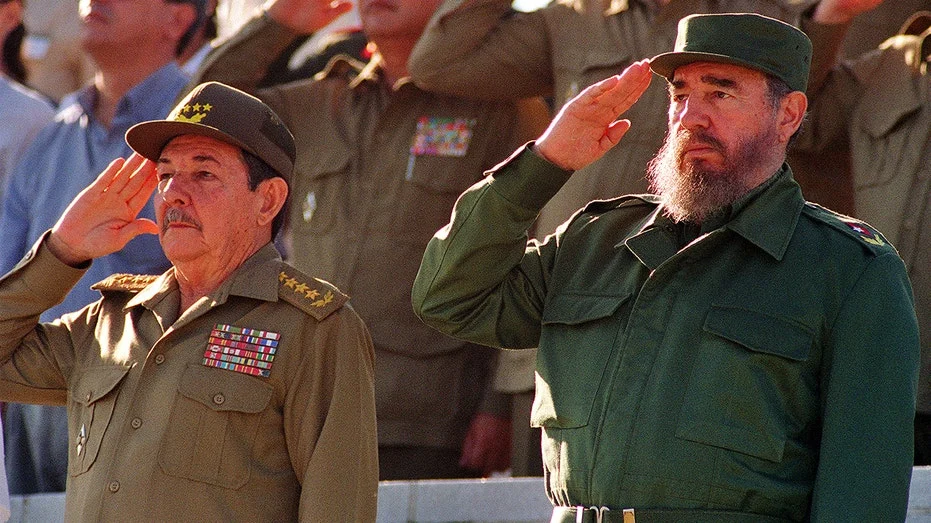
Sebastián A. Arcos, interim director of the Cuban Research Institute at Florida International University, described Díaz-Canel as a figurehead with little real power, noting that the true authority rests with Raúl Castro, the 94-year-old former leader. This dynamic complicates any prospects for immediate leadership change, even amid internal collapse or external pressure.
Potential Candidates and Continuity of Castro Influence
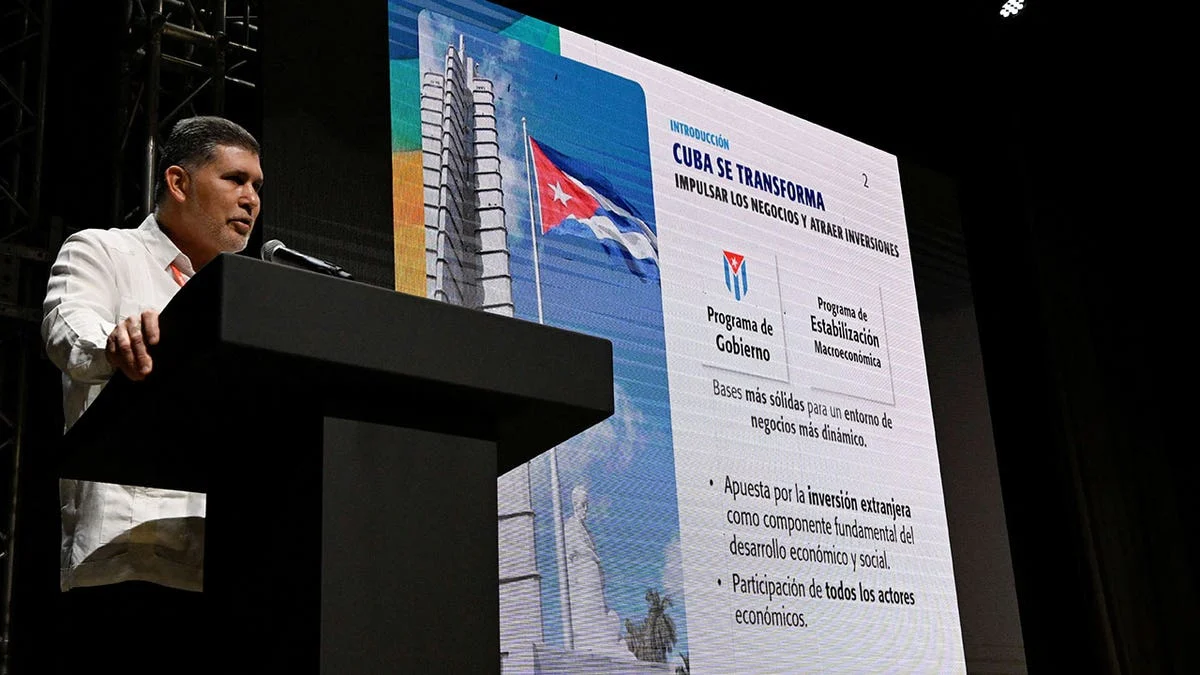
Among possible transitional figures is Óscar Pérez-Oliva Fraga, deputy prime minister and minister of foreign trade and investment, who is also the great-nephew of Fidel and Raúl Castro. Arcos suggested Pérez-Oliva’s rise could represent a controlled, technocratic reshuffle rather than systemic reform.
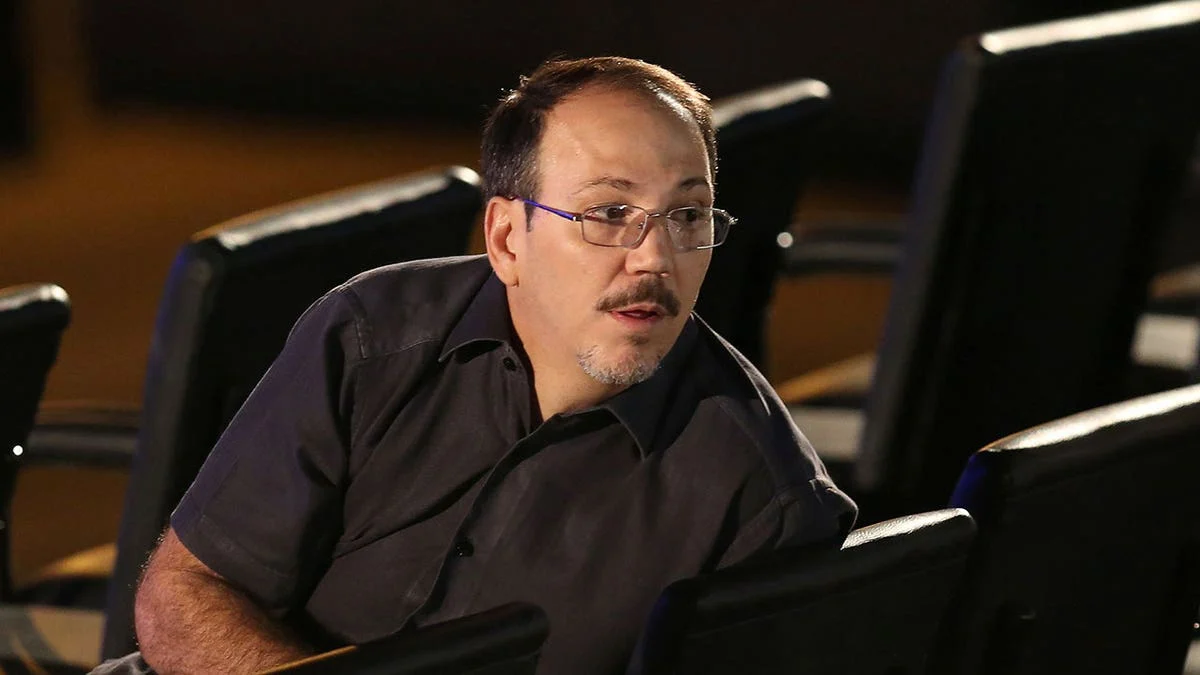
Another key figure is Alejandro Castro Espín, son of Raúl Castro and a longtime intelligence official closely tied to Cuba’s security apparatus. His role indicates continued power concentration within the Castro family and the military-linked elite, potentially signaling a hardline continuity in governance.
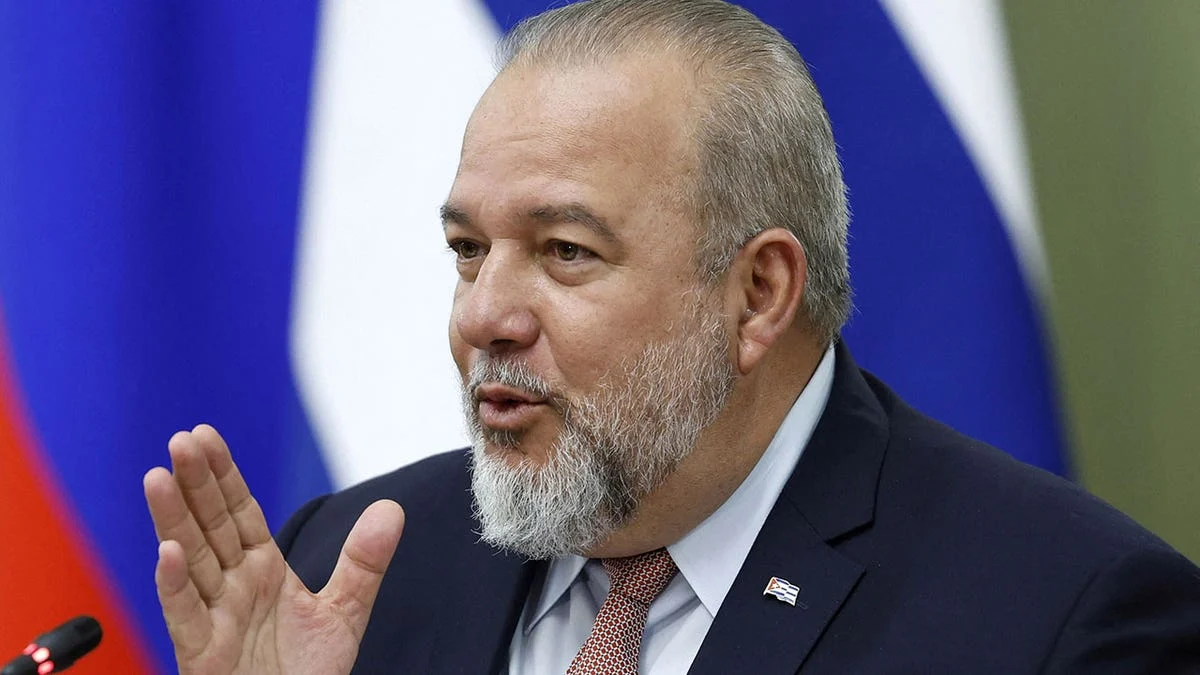
Prime Minister Manuel Marrero Cruz is also noted within the regime, though specific details about his role in any transition remain limited.
External Pressures and Cuba’s Energy Crisis
Cuba’s crisis has intensified as Venezuelan fuel shipments—formerly a critical energy lifeline—have declined sharply. The fuel shortages have worsened frequent blackouts and strained the Cuban government’s capacity to maintain control.
President Trump highlighted the U.S. possession of significant Venezuelan oil reserves and indicated a readiness to address the Cuban situation, underscoring heightened U.S. attention on the island amid escalating tensions and humanitarian challenges.
For more stories on this topic, visit our category page.