Iran has reportedly imposed a $2 million transit fee on some tankers passing through the Strait of Hormuz, signaling a new measure to assert control over this critical global shipping route, according to Iranian lawmaker Alaeddin Boroujerdi.
Boroujerdi, a member of Iran’s parliamentary national security committee, stated on state television that the toll represents a “sovereign regime” Iran is enforcing over the strait after decades. He described the levy as a reflection of Iran’s strength and noted it has already been implemented, citing the costs and risks associated with ongoing conflict as justification.
Impact on Shipping and Global Energy Markets
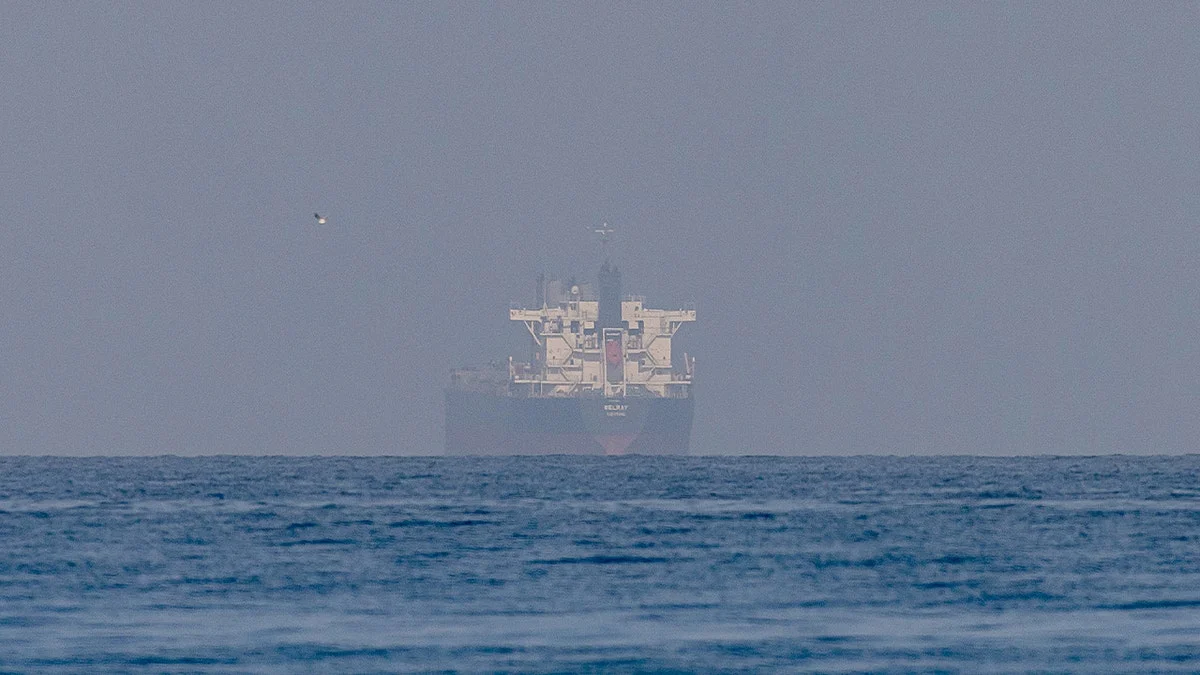
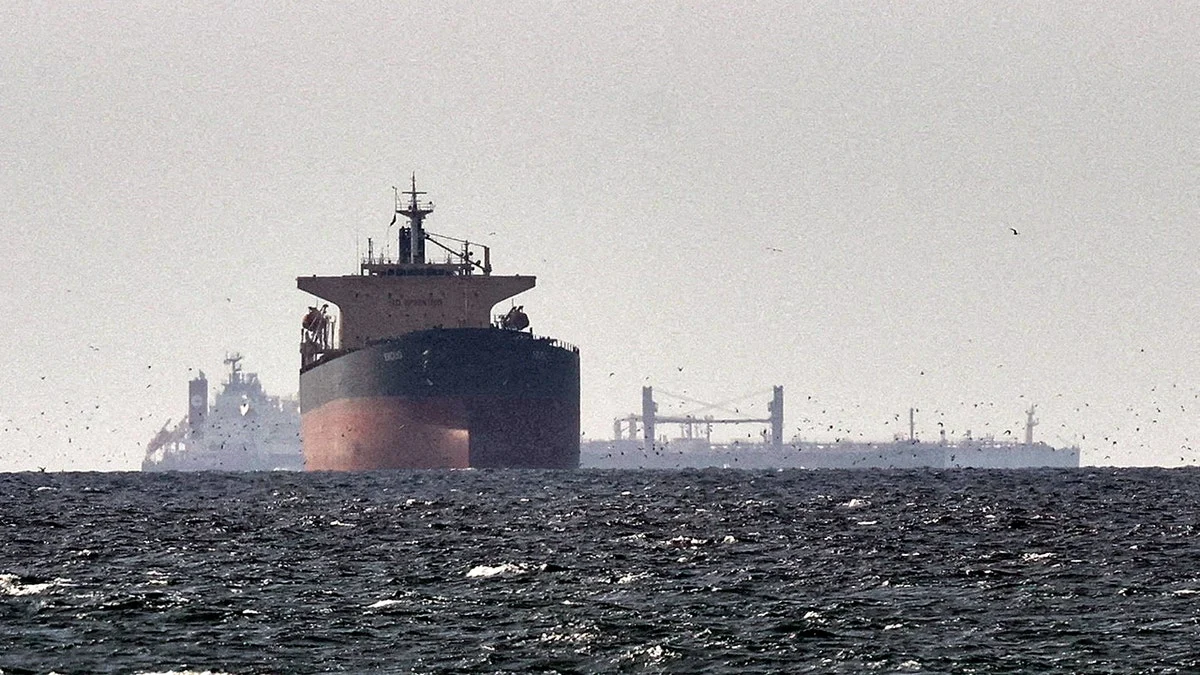
The Strait of Hormuz is a vital maritime chokepoint that normally handles approximately 20 million barrels of oil daily and facilitates about 20% of global liquefied natural gas trade. According to maritime intelligence firm Windward AI, traffic through the strait has “near collapse” levels, with only 16 Automated Identification System (AIS)-visible crossings over the past week. Vessels are increasingly rerouted through Iran’s territorial waters under new regulations.
Lloyds List reported that Iran has established a de facto “safe passage” system requiring ships to be vetted and approved, with some paying this reported $2 million fee. Several countries, including China, India, Pakistan, Malaysia, and Iraq, are reportedly in negotiations with Tehran to secure ship transit permissions.
Regional Tensions and U.S. Response
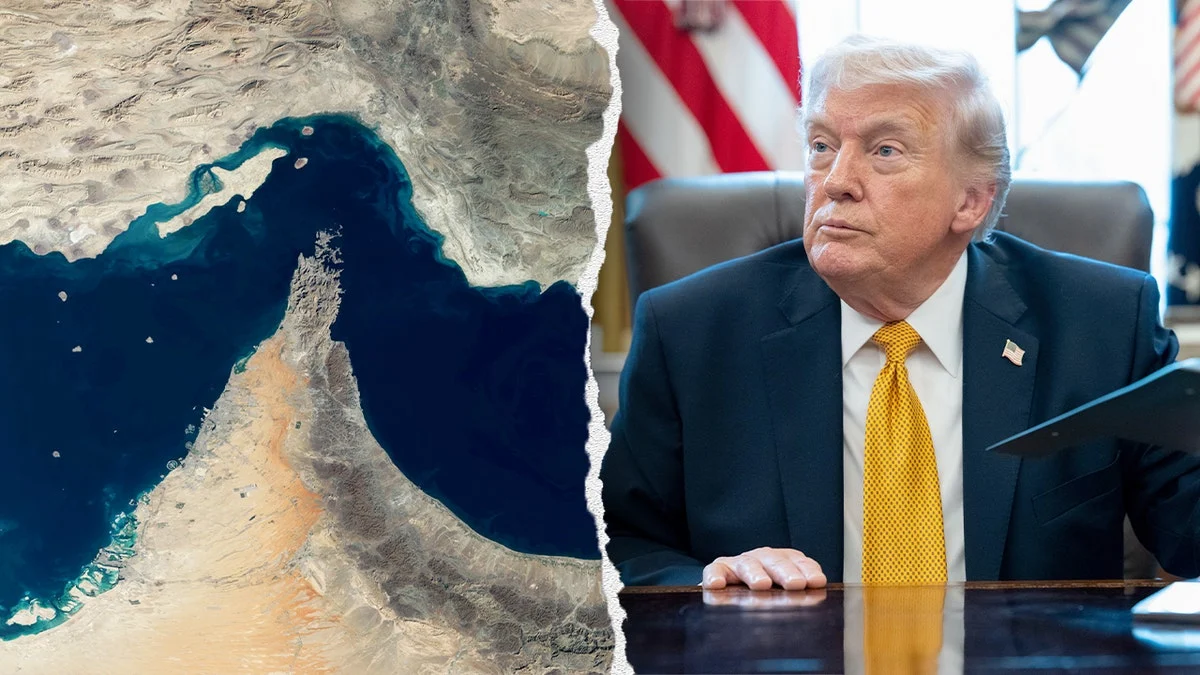
The fee and tighter controls come amid heightened regional tensions. On March 21, U.S. President Donald Trump issued a 48-hour ultimatum demanding Iran reopen the Strait of Hormuz fully and without threats. Trump warned that failure to comply would result in targeted strikes on Iranian power infrastructure, stating the U.S. would begin with the largest power plants.
Iranian officials reiterated that the strait remains open to all except those violating Iranian sovereignty. Tehran’s permanent representative to the International Maritime Organization emphasized that Iran’s restrictions apply only to its adversaries.
The increased transit fees and control measures have contributed to rising shipping and insurance costs, pushing global oil prices higher and raising economic concerns amid sustained disruptions in Gulf energy exports.
For more stories on this topic, visit our category page.