
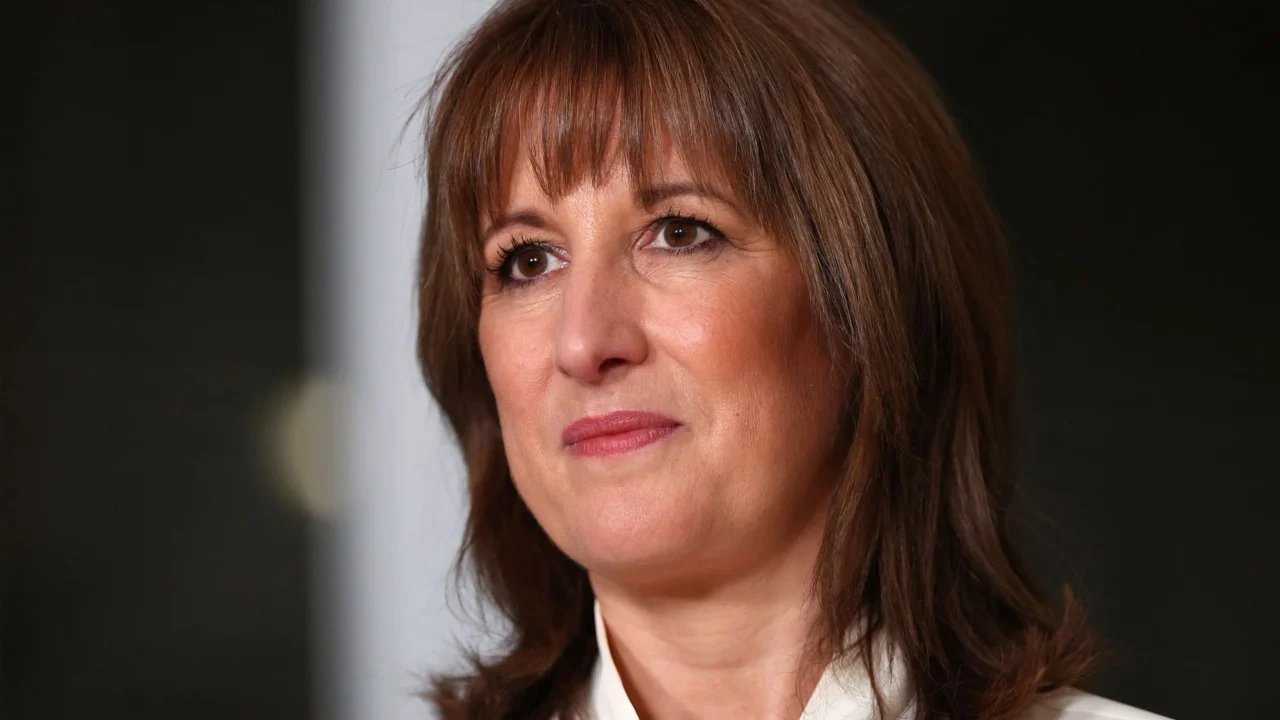
Chancellor Rachel Reeves will deliver a statement in the House of Commons today detailing plans to address price increases linked to the war in Iran, which has caused significant rises in oil and gas costs. The announcement follows an emergency Cobra meeting where Reeves advised the prime minister on her proposals.
New Powers to Tackle Price Gouging
Central to the plans is the introduction of an “anti-profiteering framework” aimed at identifying and penalizing companies exploiting the Middle East conflict to inflate prices unjustifiably. This framework would empower the Competition and Markets Authority (CMA) with time-limited, targeted powers to combat such practices, in line with Labour leader Sir Keir Starmer’s calls to strengthen the CMA’s authority.
A government spokesperson stated that regulators are working to ensure that fuel and grocery prices remain fair and that firms will not be allowed to exploit the crisis for excessive profit.
Energy Security and Bill Support
Reeves will also emphasize the importance of diversifying the UK’s energy sources, including pushing forward with nuclear power development despite opposition. She is exploring government-backed indemnities for critical energy projects to ensure construction can continue amid potential legal challenges.
Forecasts suggest energy bills could reach a three-year high following the end of the current price cap in June. In response, the prime minister indicated plans to provide household support for energy bills through the end of the year, a move first hinted at by Sir Keir during a Liaison Committee session. However, he cautioned that support levels would not replicate the extensive measures seen during the 2022 energy crisis due to fiscal constraints.
Context of the Iran War’s Impact on Energy
The war in Iran has significantly disrupted global energy markets, particularly due to the effective closure of the Strait of Hormuz, a critical chokepoint through which about 20% of the world’s oil and liquefied natural gas passes.
Despite the conflict’s economic impact, the UK government has affirmed it will avoid direct involvement, with Sir Keir stating that the UK is “not our war.”
For more stories on this topic, visit our category page.