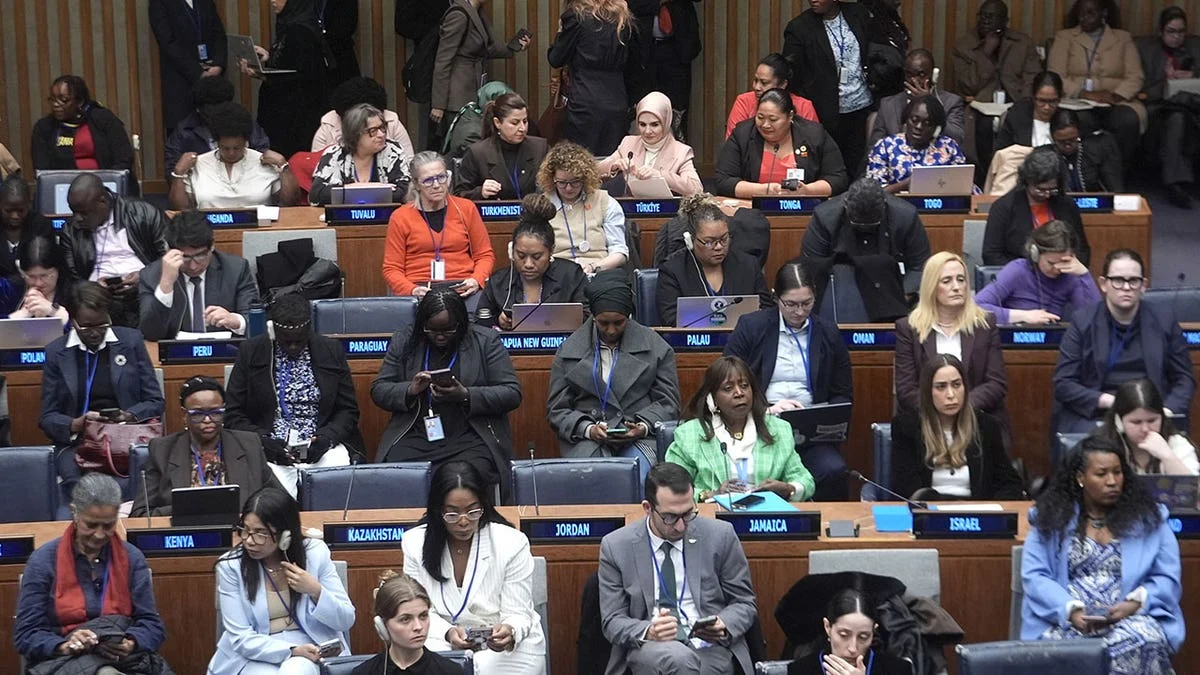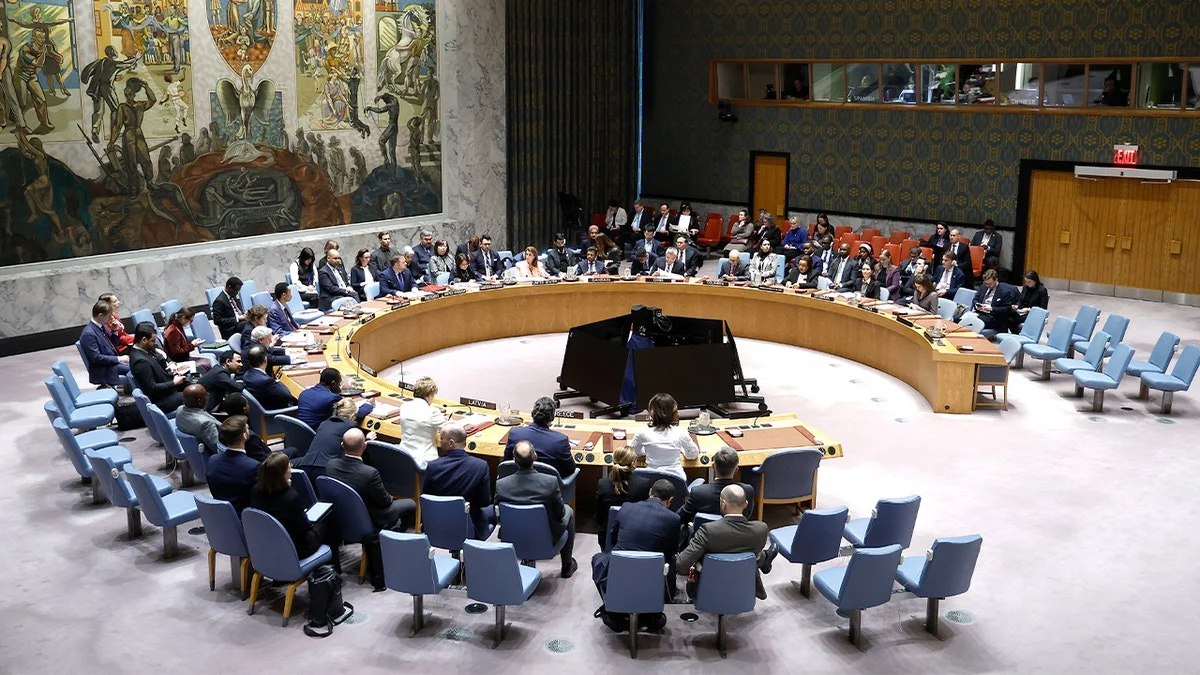
The European Union blocked a U.S. resolution intended to define “gender” explicitly as biological men and women at the United Nations Commission on the Status of Women, preventing the proposal from reaching a vote. The procedural move was led by Belgium on behalf of the EU, using a “no action motion” that halted debate before the resolution could be considered on the floor.
U.S. Proposal Seeks to Anchor Gender in Biological Terms
The U.S. resolution, introduced during the 70th session of the Commission on the Status of Women, aimed to clarify UN policy language by defining gender according to “its ordinary, generally accepted usage, as referring to men and women.” The resolution sought to challenge existing UN frameworks, which do not provide a fixed definition of gender and rely on evolving interpretations linked to gender identity. The procedural block occurred despite the U.S. being the sole country opposing the commission’s annual agreed conclusions that use broader gender definitions rooted in the 1995 Beijing Declaration.
EU and U.S. Officials Clash Over Definition and Process
Bethany Kozma, director of global affairs at the U.S. Department of Health and Human Services, criticized the EU’s action as a political maneuver to suppress debate and dismiss the U.S. position on protecting women and girls from “dangerous gender ideology.” She asserted that the EU feared losing the vote if it proceeded. Conversely, Belgium’s foreign ministry spokesperson, David Jordens, rejected the U.S. claims, describing the resolution as factually incorrect and rushed. Jordens emphasized that there is no universally agreed definition of gender at the UN, pointing to the language established in the 1995 Beijing Declaration, and argued that such a significant issue requires prior consultation and negotiation among member states.
A State Department official, speaking on background, described the EU’s procedural tactic as part of a coordinated effort by European nations to block the vote despite indications of growing support for the U.S. position. These assertions could not be independently verified.
The outcome has practical implications for UN-linked programs involving development funding, education policies, and anti-discrimination frameworks on a global scale, as the UN’s gender terminology influences international standards and national sovereignty debates.
For more stories on this topic, visit our category page.