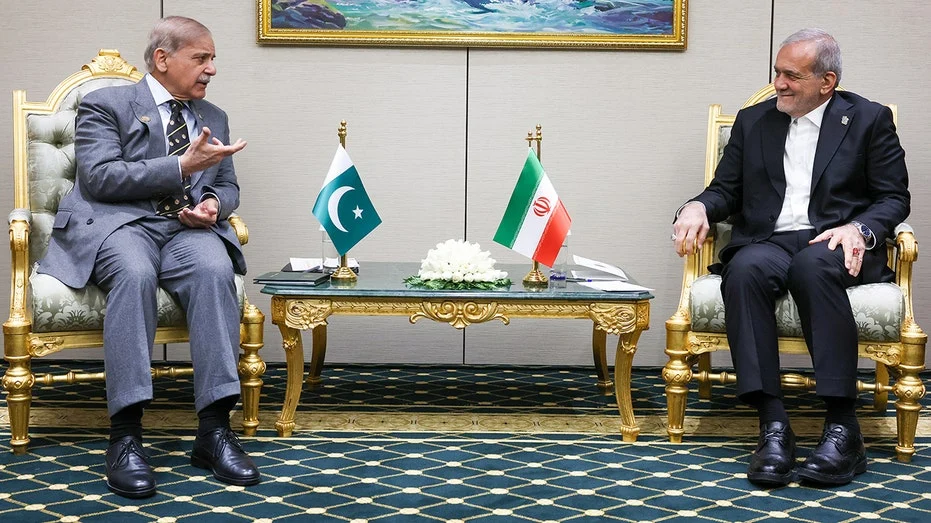
Pakistan is navigating a complex diplomatic balance as the conflict between Iran and the United States escalates, with Islamabad emerging as a potential venue for US-Iran talks. The country’s strategic position and defense agreements are testing its long-standing policy of neutrality.
Pakistan’s Defense Pact with Saudi Arabia Raises Regional Stakes
Pakistan recently formalized a significant defense agreement with Saudi Arabia, pledging that aggression against either nation would be treated as a threat to both. This pact risks drawing Pakistan into confrontation with Iran, given Riyadh’s adversarial relationship with Tehran. Pakistan already maintains troops in Saudi Arabia for training and support and has affirmed no hesitation in coming to Saudi Arabia’s aid if required.
Shortly after the outbreak of the Iran conflict, Pakistan’s army chief General Asim Munir conducted an emergency visit to Riyadh to discuss joint responses to Iranian strikes, marking the first test of this defense partnership. Saudi Arabia remains a vital economic partner to Pakistan, particularly for energy supplies disrupted by the conflict.
Balancing Ties with Iran and Domestic Stability
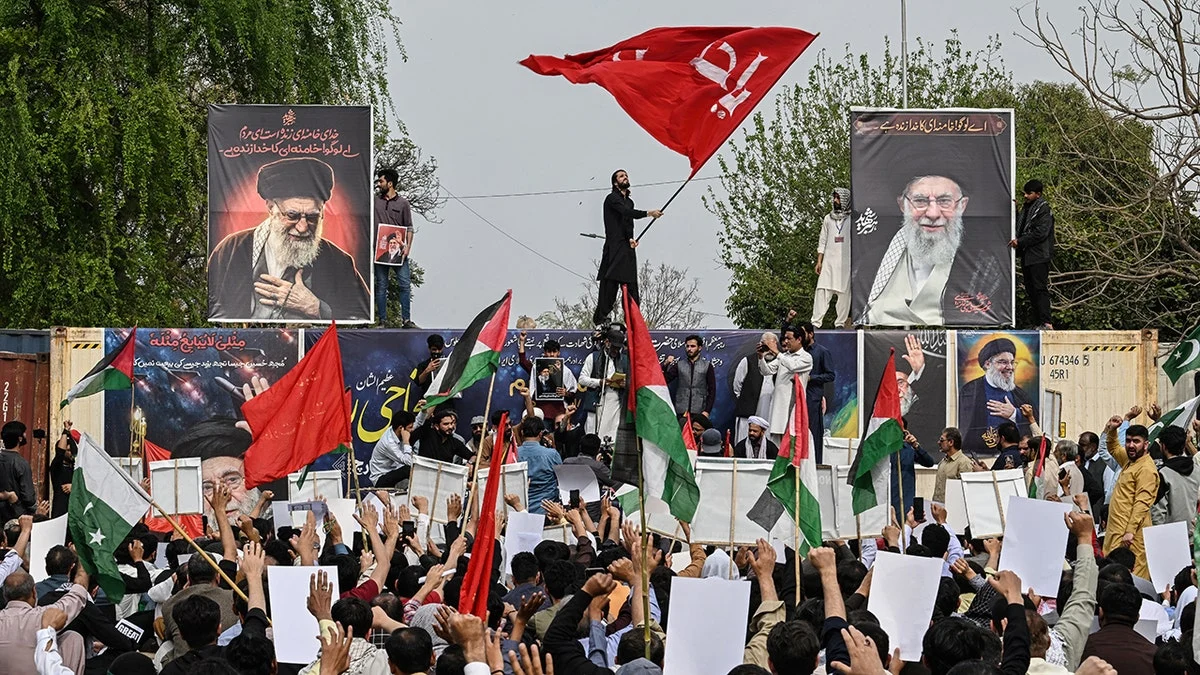
Pakistan shares a 565-mile border and extensive trade and religious ties with Iran, hosting the world’s second-largest Shiite community after Iran. Domestic unrest followed the assassination of Iran’s Supreme Leader Ayatollah Ali Khamenei, with pro-Iran protests in Pakistan requiring military intervention and curfews. Maintaining stable relations with Tehran is seen as critical to managing these internal tensions and preventing insurgency in Pakistan’s Baloch region.
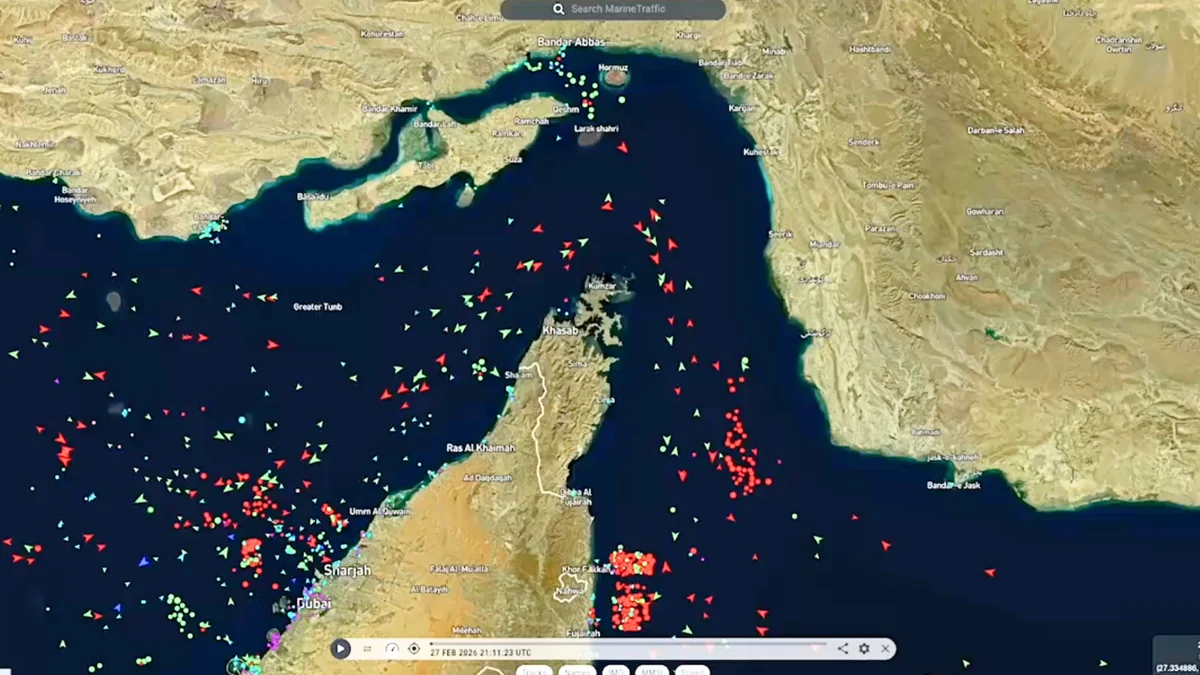
Trade ambitions remain strong, with Pakistan aiming to reach $10 billion in bilateral trade by 2028. Pakistani officials have maintained constant communication with Iranian counterparts throughout the conflict, exemplified by a recent Pakistani oil tanker passing through the Strait of Hormuz amid the heightened tensions.
Pressure from International Partners Complicates Pakistan’s Position
While Pakistan condemned attacks on Iran and called for de-escalation, it broke with Tehran by supporting a Gulf-led United Nations resolution condemning regional aggression. This move signaled a shift as Washington, a key partner under President Donald Trump’s administration, watches Pakistan closely over its stance. The White House is collaborating with the Pentagon to evaluate Pakistan’s role in the conflict.
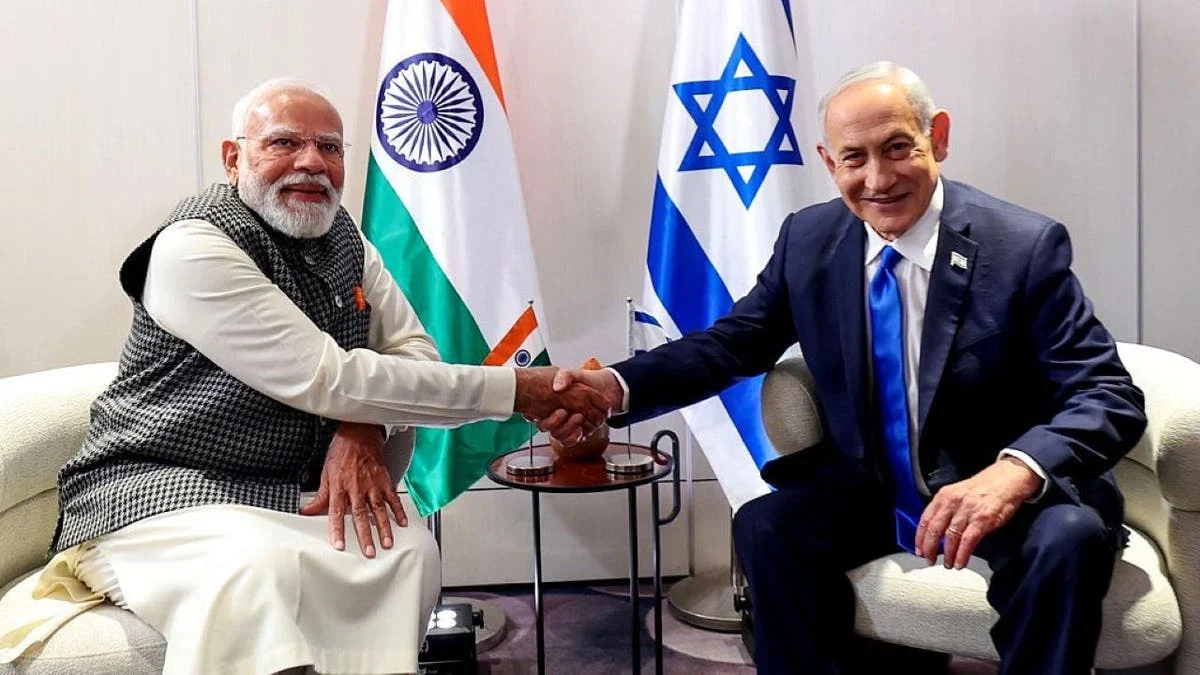
Regional dynamics are further complicated by India’s alignment with Israel, with Prime Minister Narendra Modi’s recent visit to Tel Aviv adding diplomatic pressure on Pakistan. Analysts suggest Islamabad’s room for maintaining neutrality is diminishing as the Iran conflict intensifies and global alignments solidify.
For more stories on this topic, visit our category page.