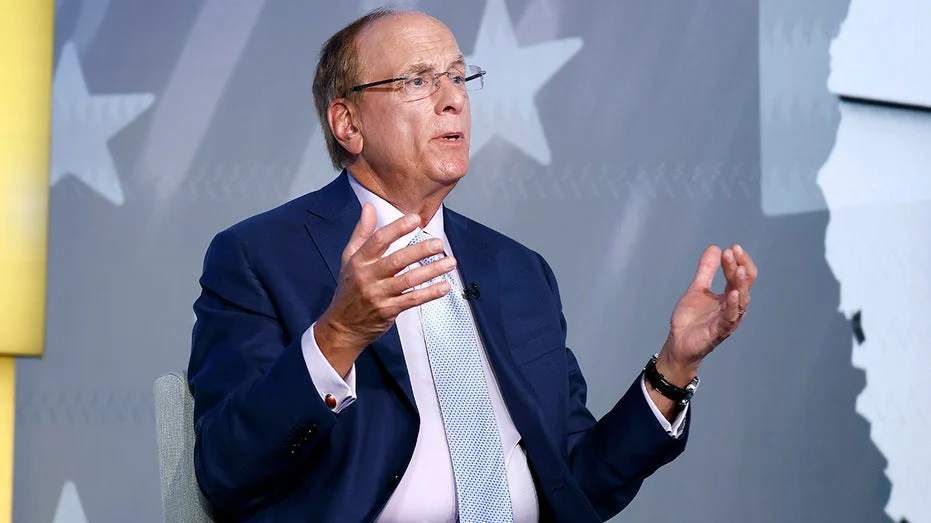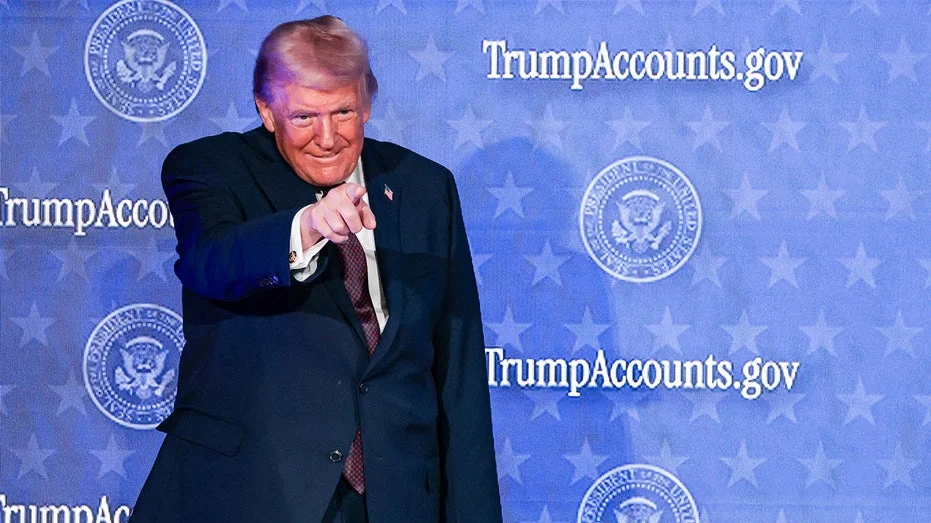
BlackRock CEO Larry Fink described Trump Accounts as a “very significant” opportunity to increase savings and investment among young Americans. In his annual chairman’s letter, Fink highlighted evidence from countries like Canada, the U.K., and Singapore, where early-life wealth-building accounts have contributed to higher rates of homeownership, business creation, and education attainment.
Structure and Funding of Trump Accounts
Trump Accounts, authorized under last year’s One Big Beautiful Bill Act, provide savings accounts for children that can be funded through multiple sources. These include government pilot programs requiring renewal, personal contributions, employer match programs, and private donations. Fink noted that BlackRock and other companies plan to contribute to these accounts for employees’ children by matching the federal government’s $1,000 seed contribution.
The accounts are managed with the child as the beneficiary and parents or guardians as custodians until the child turns 18. At that point, funds can be used for education, entrepreneurship, home purchases, retirement savings, or emergency expenses. Parents may contribute up to $5,000 annually, while employers can add up to $2,500 without affecting taxable income.
Federal and Private Support to Seed the Program
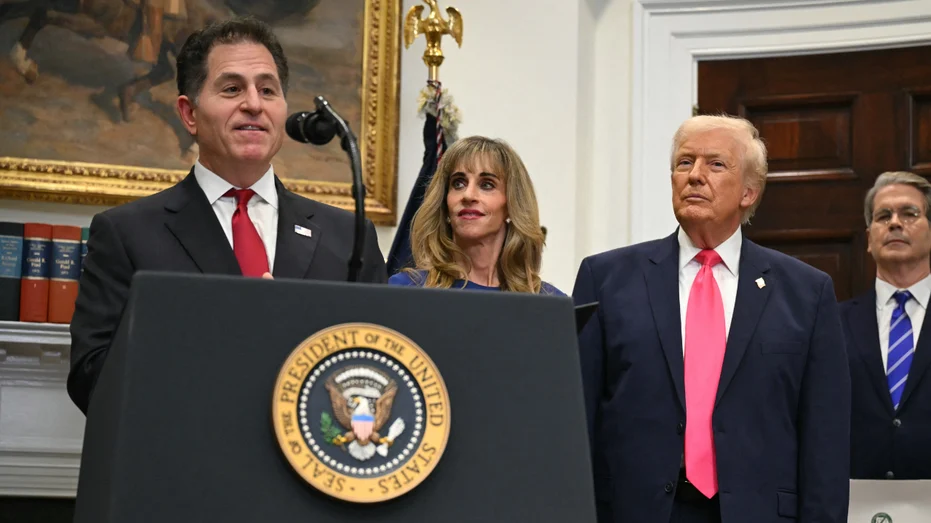
The federal government will provide a $1,000 seed contribution for children born between January 1, 2025, and December 31, 2028. Children born before 2025 who are under 18 can open accounts but will not receive the federal seed money. Major philanthropic efforts have also supported the program’s launch, with Michael and Susan Dell committing $6.25 billion to seed 25 million accounts with $250 each.
Trump Accounts will invest in a broad index fund of U.S. stocks, similar to funds in many retirement plans. The program is set to officially launch on July 4, 2026. Parents can enroll children by filing IRS Form 4547 during tax season.
For more stories on this topic, visit our category page.