
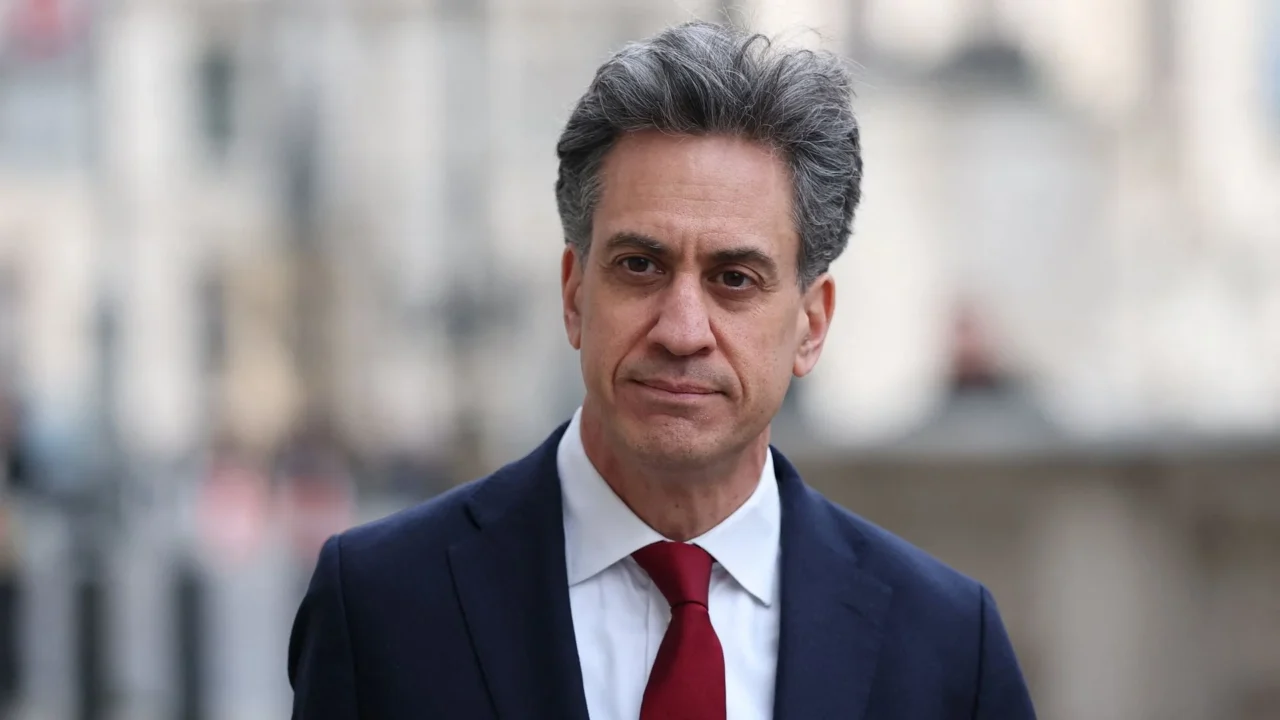
Energy Secretary Ed Miliband has informed Labour MPs that the government is exploring the possibility of separating electricity prices from gas costs to reduce household energy bills. He described the initiative as “complicated but possible” during a Parliamentary Labour Party meeting on Monday.
Proposal to Reform Wholesale Energy Market
The consideration follows a proposal by eco-entrepreneur Dale Vince, who argues that Labour’s clean energy strategy will not sufficiently lower bills without changes to the wholesale market. Currently, the UK uses a marginal cost pricing system where electricity prices are set by the costliest energy source needed to meet demand, often gas. This mechanism links electricity prices directly to gas prices.
Vince’s report, “Breaking the Link,” recommends a new bidding system in which each energy generator is paid the price they bid rather than the highest market price. This change aims to better reflect the cheaper cost of renewable energy. He estimates that in 2023, the gas-to-electricity price link added £43 billion—around £367 per household—to UK energy bills.
Political Responses and Ongoing Planning
Labour MP Simon Opher called the issue a “real opportunity” to reform the market, suggesting it could save consumers hundreds of pounds annually. Green Party leader Zack Polanski has also called for decoupling in recent economic speeches.
In the Commons, Chancellor Rachel Reeves acknowledged contingency planning for energy bill support amid uncertainties stemming from the Iran conflict but did not commit to this specific reform. She highlighted ongoing efforts to facilitate renewable energy projects.
Some Labour MPs, including Henry Tufnell, have expressed dissent by advocating for an end to the ban on new North Sea oil and gas exploration, though this view was a minority in Monday’s meeting. The Conservative Party has similarly pushed for expanded oil and gas drilling despite recently losing a parliamentary vote on the issue.
Strategic Implications for UK Energy Security
Ed Miliband emphasized that reliance on fossil fuels makes the UK a price taker vulnerable to international markets. He underscored the government’s aim to accelerate clean energy development as the path to achieving energy sovereignty and security through homegrown power sources.
Labour projects that becoming a clean energy superpower by 2030 could cut household energy costs by approximately £300 annually. However, experts note that without reforming market rules, gas prices will continue to influence bills even as renewable generation increases.
For more stories on this topic, visit our category page.