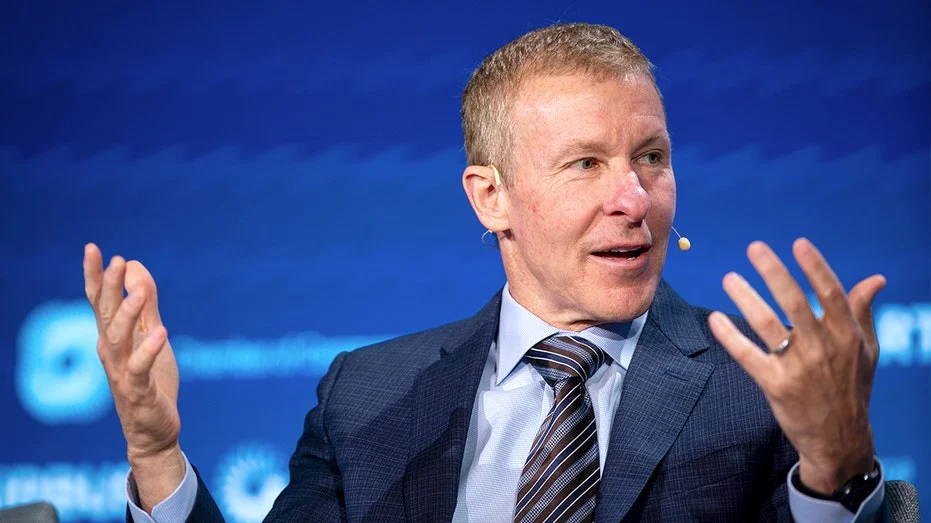
United Airlines CEO Scott Kirby warned that airfares could increase by up to 20% if jet fuel prices remain high due to the ongoing surge in oil prices amid the Iran conflict. Kirby made the comments during an interview on Bloomberg TV, highlighting the airline’s plan to adjust capacity and manage rising fuel expenses.
Capacity Cuts and Demand Outlook
Kirby said United has already reduced capacity by 5% on routes that are unprofitable under current fuel cost conditions. Despite these cuts, consumer demand for air travel remains strong. Kirby emphasized that the airline is preparing for a scenario where oil prices could stay elevated for an extended period, increasing operational costs significantly.
Fuel Price Forecast and Financial Impact
The CEO indicated that it is reasonable to expect oil prices to reach $175 per barrel and remain above $100 per barrel through the end of next year, describing this as a “stress event” for the airline industry, though less severe than the impact of the COVID-19 pandemic. Kirby estimated that sustained high fuel prices could cost United around $11 billion and result in a 20% airfare increase to maintain financial stability.
Kirby also noted that United has found hedging fuel prices challenging due to the company’s size and its market impact, leading the airline to increase its cash reserves instead. He remarked that airfares in 2025 were still about 2% lower than 2019 levels despite 25% inflation, and recent airfare hikes have only offset part of inflationary pressures.
Safety and Regulatory Investment
Addressing recent incidents, including a fatal collision involving an Air Canada jet at LaGuardia Airport, Kirby affirmed that U.S. air travel remains the safest mode of transportation. He called for greater federal investment in aviation technology and staffing, citing anticipated bipartisan support for such measures under the current administration.
For more stories on this topic, visit our category page.