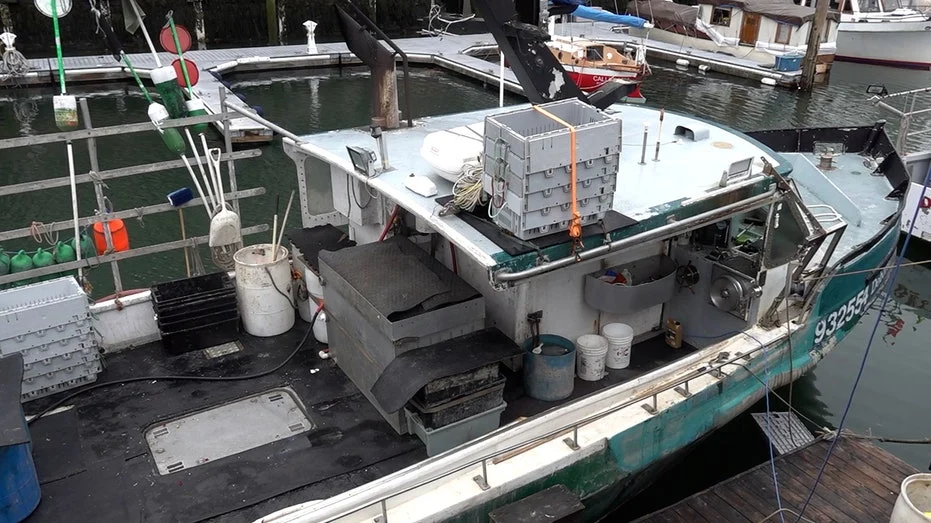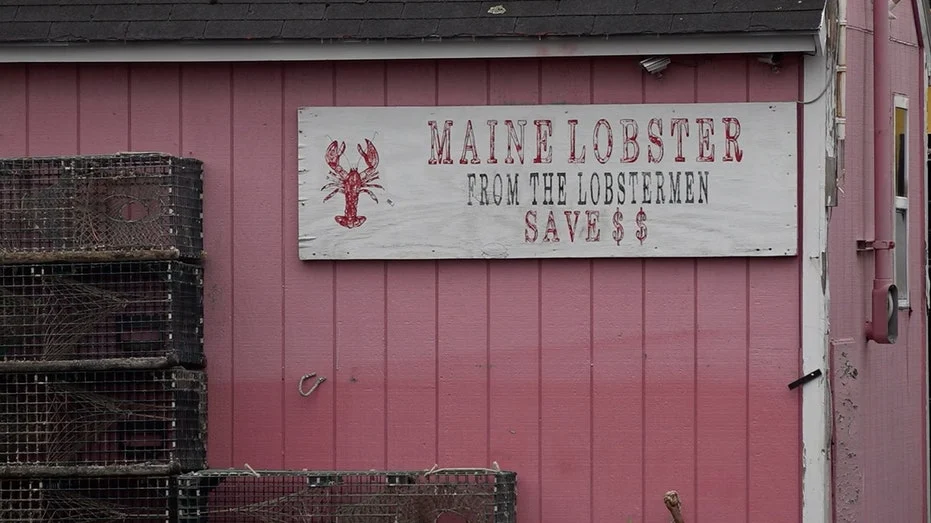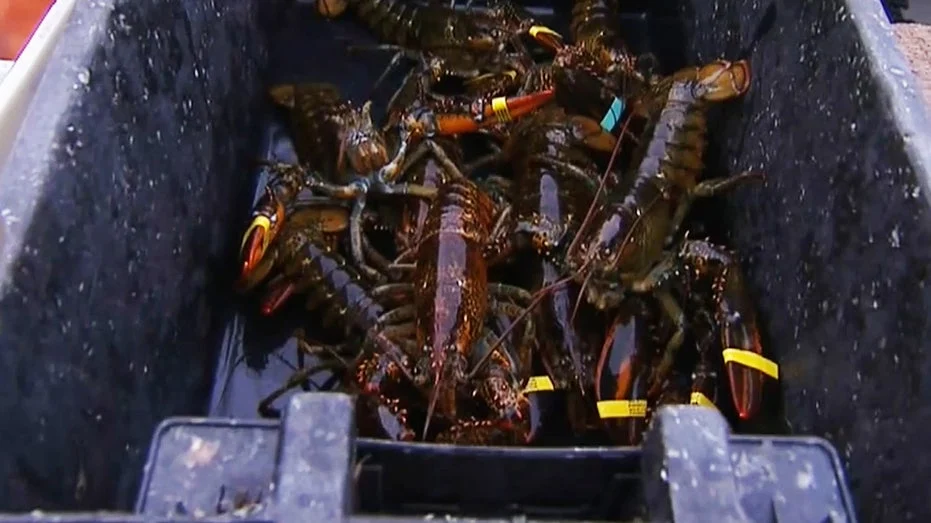
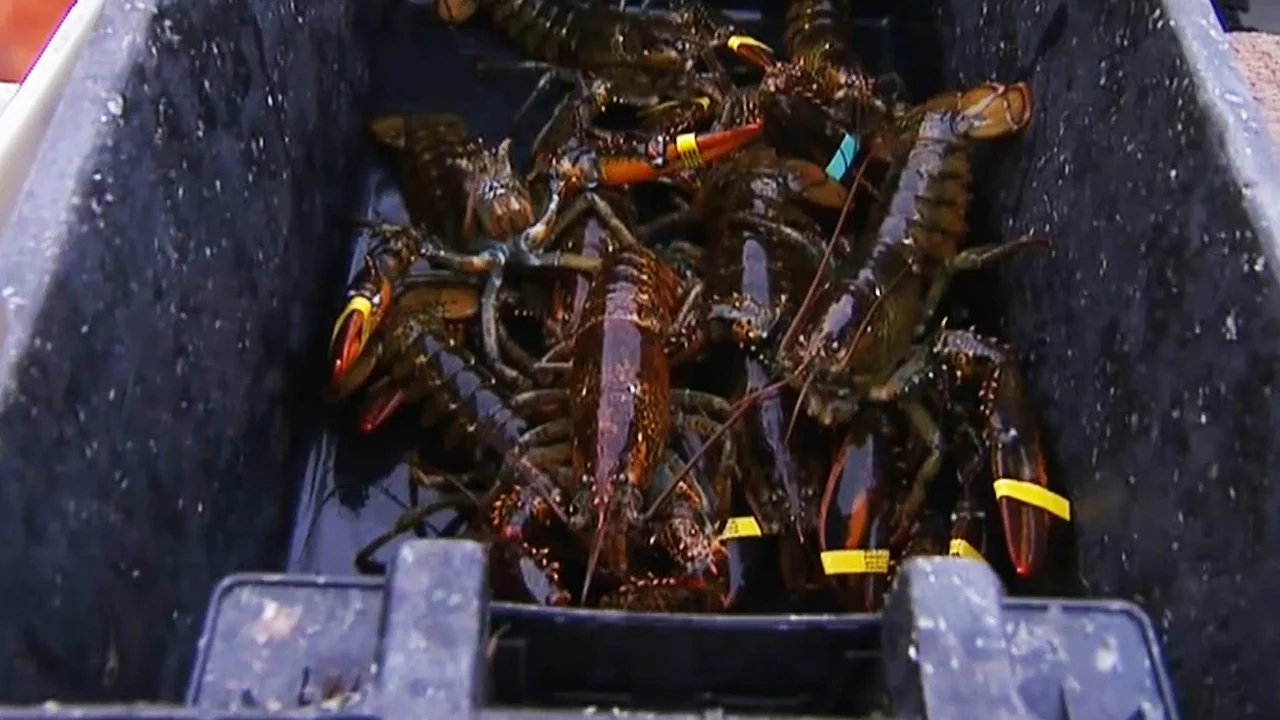
Maine’s lobster industry experienced a significant downturn in 2025 due to a harsh winter that reduced fishing activity, slowed lobster movements, and increased operational costs, according to the Maine Department of Marine Resources. Lobstermen took over 21,000 fewer fishing trips than in 2024, contributing to total landings dropping to just over 78 million pounds—the lowest since 2008.
Winter Weather Limits Fishing and Lobster Activity
Starting in December, cold temperatures and dangerous conditions curtailed fishing days during a period when lobstermen typically fish heavily. Veteran lobsterman Greg Turner reported crews could only fish about half the usual number of days in the peak winter months, citing extreme cold and winds as physical barriers. The colder water temperatures also caused lobsters to slow down or stop moving, reducing catch rates.
Financial Pressures Compound Industry Challenges
Maine Department of Marine Resources Commissioner Carl Wilson highlighted inflation, tariffs, and late molting of lobsters as factors further restricting harvesters. While the commercial lobster harvest generated more than $600 million in 2025—marking the 14th consecutive year above $500 million in earnings—many fishermen report that higher revenues have not translated into improved profits due to rising costs.
Costs for bait, transportation, and processing have surged, with bait prices rising by as much as 350% since 2010, according to Alexa Dayton, executive director of the Maine Center for Coastal Fisheries. She noted that fishermen ideally fish around 15 days per month but were limited to about five days during the winter of 2025. The economic strain also extends to coastal communities reliant on lobster fishing income, impacting local businesses.
Calls for Higher Dock Prices to Support Fishermen
The average boat price for lobster remained strong at $5.85 per pound in 2025. However, advocates emphasize the need for increased dock prices to ensure fisherman sustainability. Dayton stressed that most Maine lobstermen are small, independent operators vulnerable to cost fluctuations and lost fishing days, which affects both industry stability and local economies.
For more stories on this topic, visit our category page.