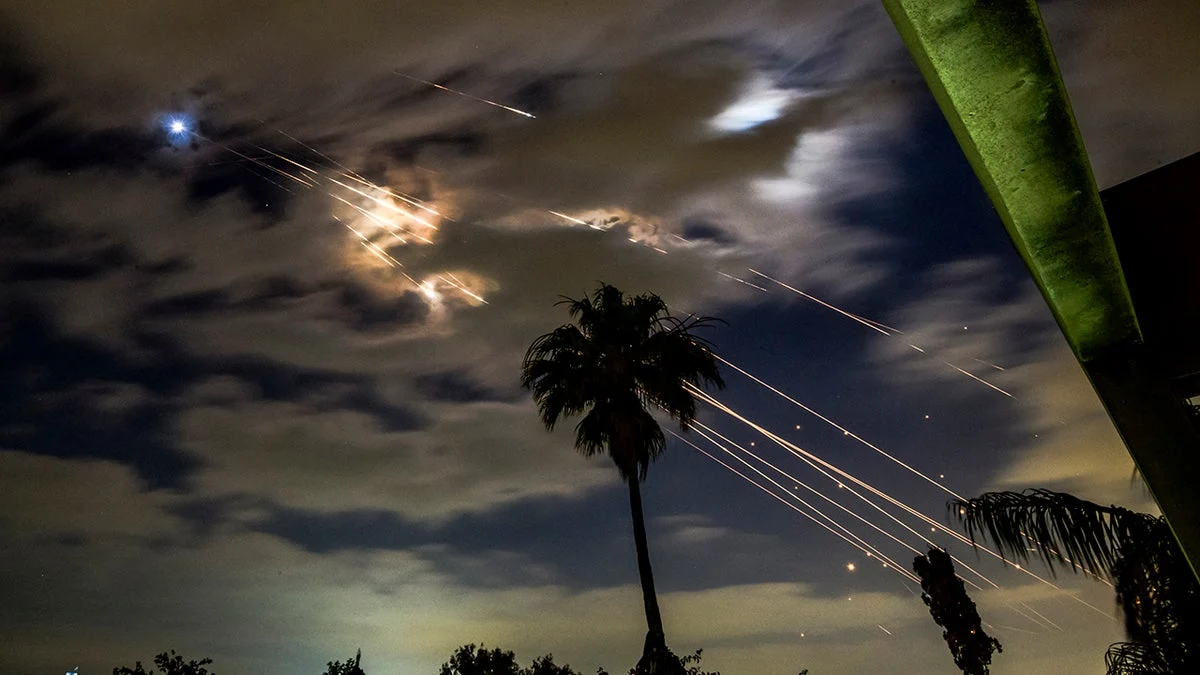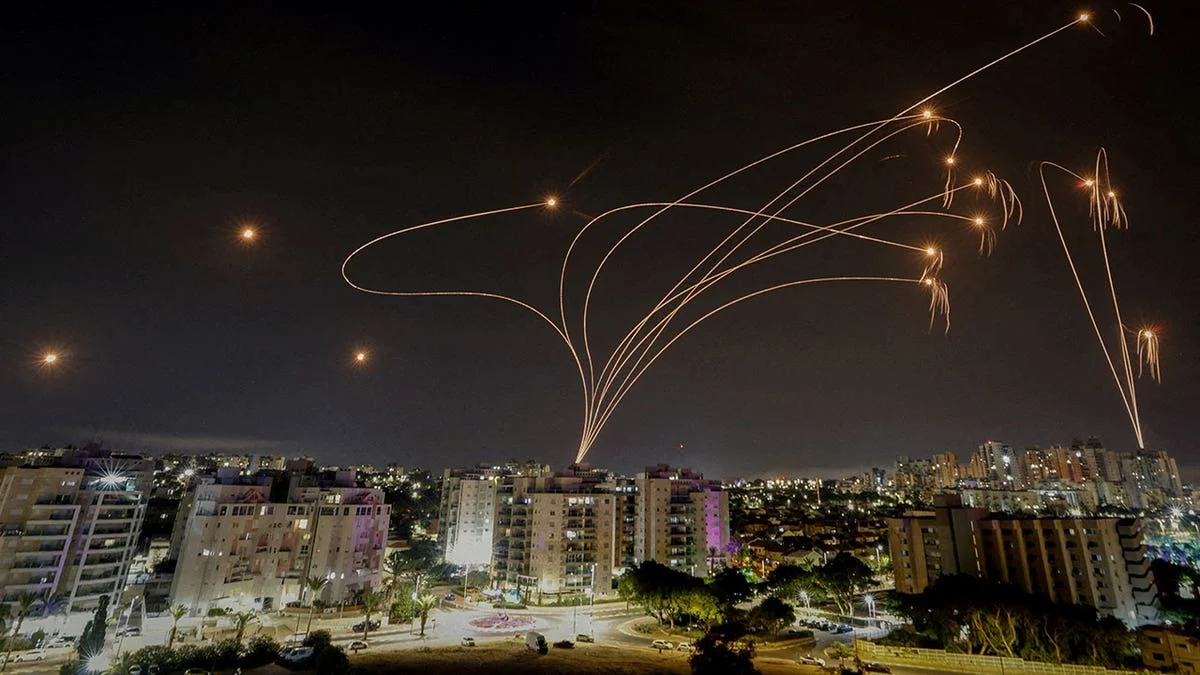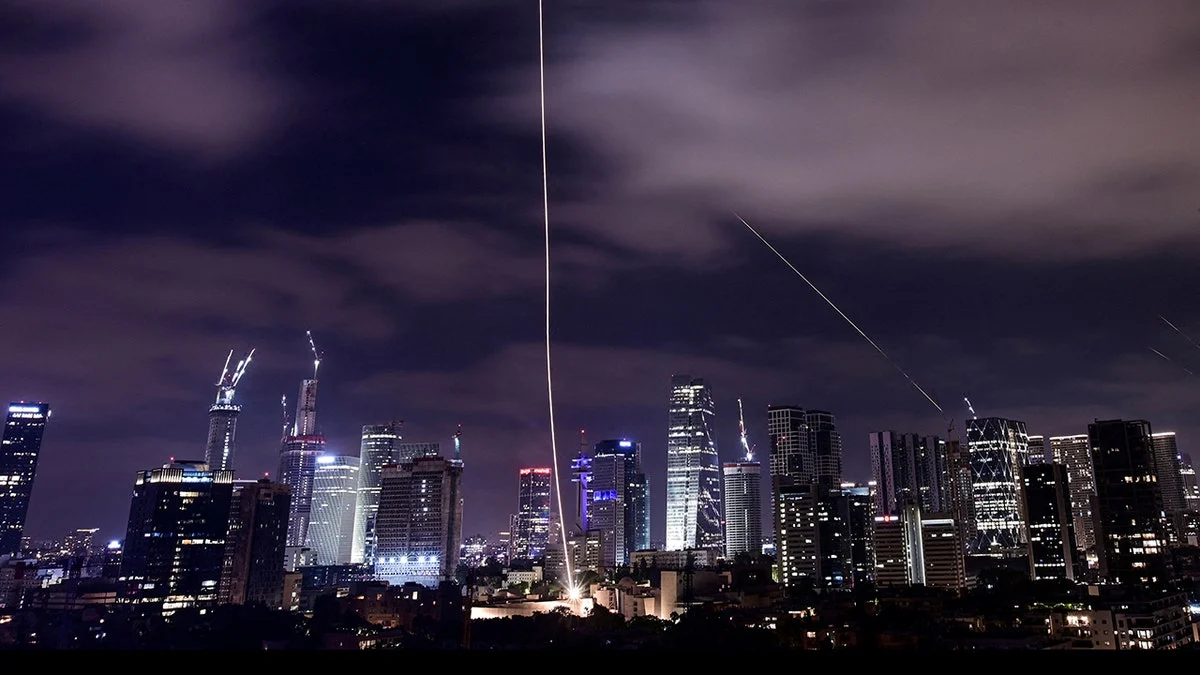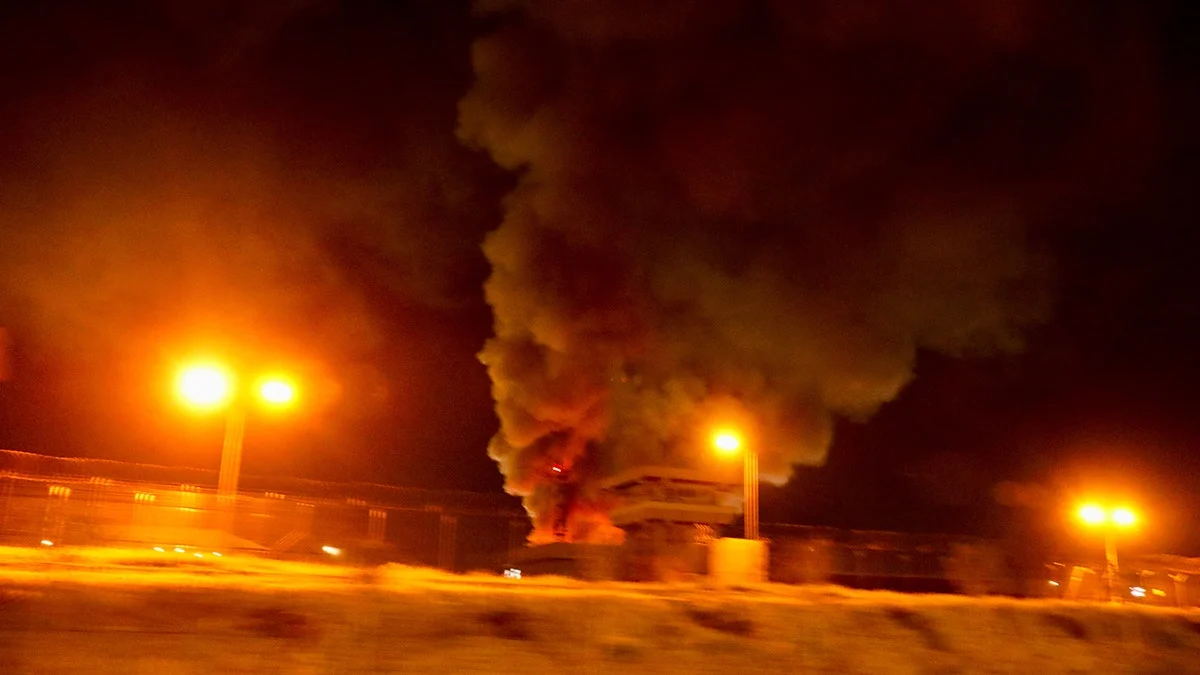
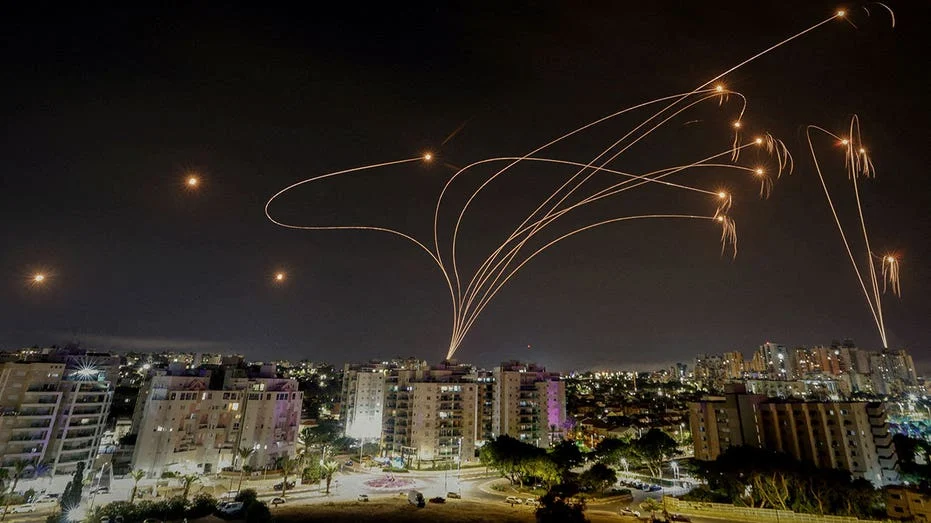
More than 90% of Iranian missiles and drones have been intercepted by U.S., Israeli, and allied forces in the ongoing conflict, according to a report from the Jewish Institute for National Security of America (JINSA). However, experts warn the cost disparity between inexpensive Iranian drones and expensive missile interceptors is rapidly depleting allied defense stockpiles across the region.
High Interception Rates Amid Expensive Defense
The regional air defense system—integrating U.S., Israeli, and Arab technologies with shared radar and early warning networks—has maintained over 90% interception success against Iranian projectiles, including ballistic missiles and drones. U.S. Central Command confirmed that more than 9,000 enemy targets have been struck and that Iranian missile and drone attacks have decreased by roughly 90%. U.S. investments in systems such as THAAD, Patriot batteries, carrier strike groups, and fighter aircraft prior to the conflict have been instrumental in maintaining this defense.
Cost Imbalance Fuels Stockpile Strain
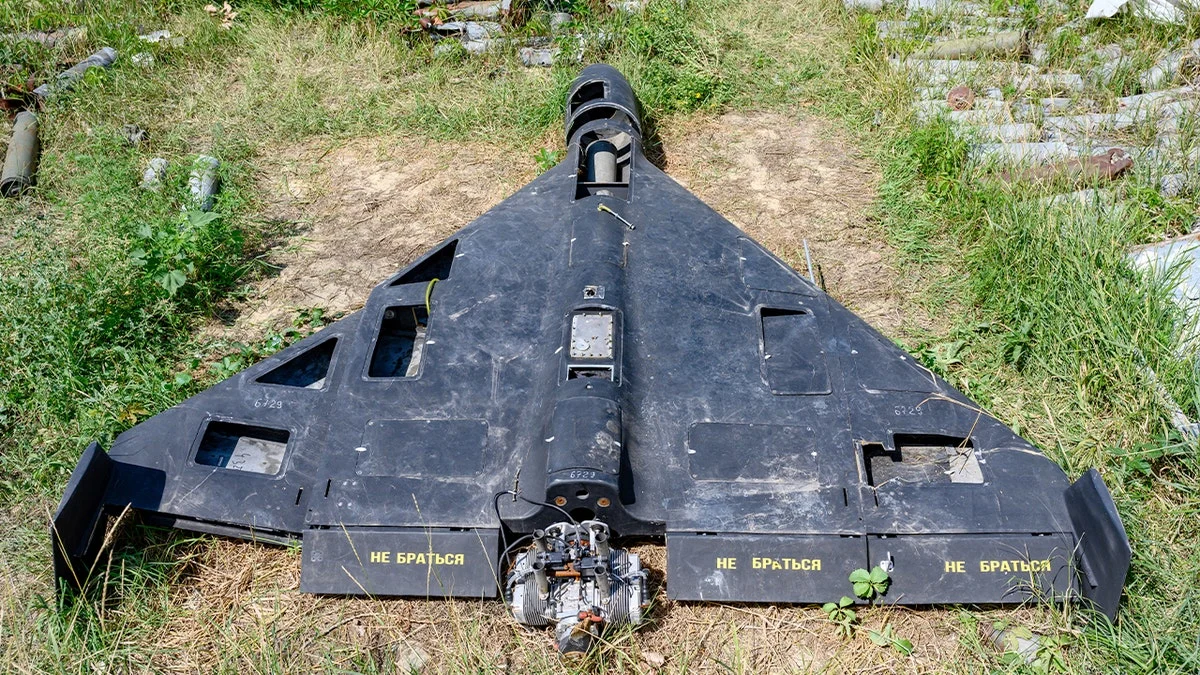
JINSA’s report highlights a mounting problem: Iran’s drones cost roughly $30,000 each, while U.S. and Israeli interceptors can cost millions. Middle East security analysts note that Iran’s cheaper munitions force allies to expend costly interceptors at a disproportional rate, creating an unsustainable dynamic. Estimates suggest some Gulf states have deployed a large share of their interceptor inventories, with Bahrain using up to 87% of its Patriot missiles, the UAE and Kuwait around 75%, and Qatar about 40%.
Israel is also reportedly rationing interceptors, opting not to counter all low-grade threats to conserve more advanced missiles for higher-value targets.
Implications for Long-Term Defense Strategy
Experts emphasize that while interception success remains high, the continued cost imbalance could challenge the sustainability of current defense operations. Iran has adapted its tactics, shifting to smaller, more frequent drone and missile attacks to exhaust allied interceptors. Analysts warn this trend may force changes in the regional defense approach as stockpiles shrink during the protracted conflict.
For more stories on this topic, visit our category page.