
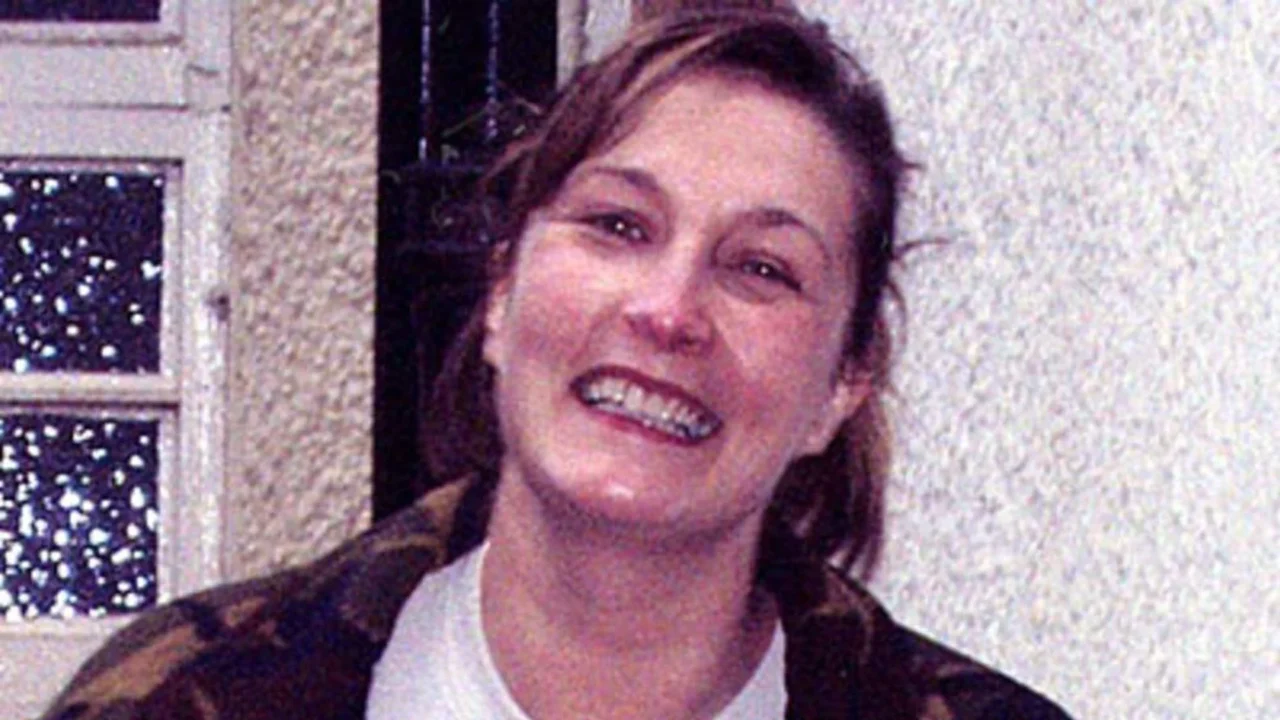
Scotland’s parole board is now required to consider whether convicted killers have refused to disclose the location of their victims’ remains when deciding on prisoner release, following the enactment of a new law on March 25.
The legislation, known as Suzanne’s Law, was introduced as part of the Victims, Witnesses and Justice Reform (Scotland) Act. It was named after Suzanne Pilley, a 38-year-old bookkeeper murdered in 2010 by David Gilroy, who has never revealed the whereabouts of her body.
Legal changes mandate parole review of undisclosed remains
The law applies in cases where a victim’s remains have not been recovered and there are reasonable grounds to believe the offender possesses this information but has not shared it. The parole board must take this into account when assessing eligibility for release.
The act also includes provisions requiring the parole board to consider victim safety in its decisions, which have also come into effect.
Campaigning and official responses
The legislation followed campaigns by the families of Suzanne Pilley and Arlene Fraser, another murder victim whose remains have never been found. Fraser was killed by her husband, Nat Fraser, in 1998. He was sentenced to life imprisonment in 2012.
Debbie Adams, interim chief executive of Victim Support Scotland, said the change aims to bring justice and closure to victims’ families. Jamie Greene, the Liberal Democrat MSP who introduced the amendment, welcomed the law’s implementation but expressed disappointment that there is no timetable yet for another provision requiring the Crown Office to notify victims about decisions to drop or not prosecute cases.
Justice Secretary Angela Constance confirmed the government will implement all parts of the act in phases to avoid disruption to the justice system.
For more stories on this topic, visit our category page.