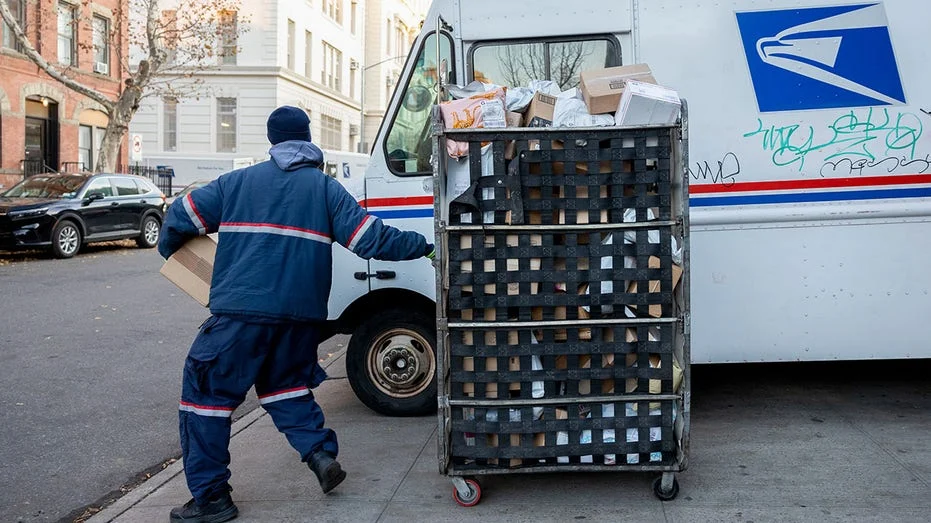

The U.S. Postal Service plans to implement its first-ever fuel surcharge on package deliveries starting in April, according to a report by The Wall Street Journal. The temporary 8% surcharge, which will apply only to packages and not to letter mail, is set to remain in effect through January 2027 amid rising diesel prices and ongoing financial challenges.
Rationale Behind the Fuel Surcharge
The fuel surcharge responds to a sharp increase in diesel prices, which rose over 43% in the past month to $5.366 per gallon as of late March. This surge has been partially attributed to the disruption of oil flows from the Middle East amid the conflict involving Iran. Major package carriers FedEx and UPS have similarly increased their fuel surcharges in recent weeks.
Financial Struggles and Reform Appeals
Postmaster General David Steiner has warned Congress that without urgent reforms, USPS could run out of cash in under a year. The agency has already reached its $15 billion borrowing cap and recorded a net loss of $6.5 billion in 2023. Steiner testified before a House Oversight subcommittee this month, advocating for higher stamp prices, expanded borrowing authority, and adjustments to pension and workers’ compensation funding.
He also proposed additional cost-cutting measures such as ending six-day delivery, which could save about $3 billion annually, and closing small post offices, potentially saving $840 million. However, Steiner noted these options may face resistance from Congress and the public.
Impact and Next Steps
The fuel surcharge is designed as a temporary measure to help relieve the USPS’s immediate financial pressures without affecting letter mail volume. Steiner emphasized that raising the borrowing limit and enacting other reforms are critical to sustaining the agency’s operations beyond the next year. Stamp prices, which have increased 46% since 2019, remain below those of other countries, highlighting ongoing pricing challenges for the USPS.
For more stories on this topic, visit our category page.