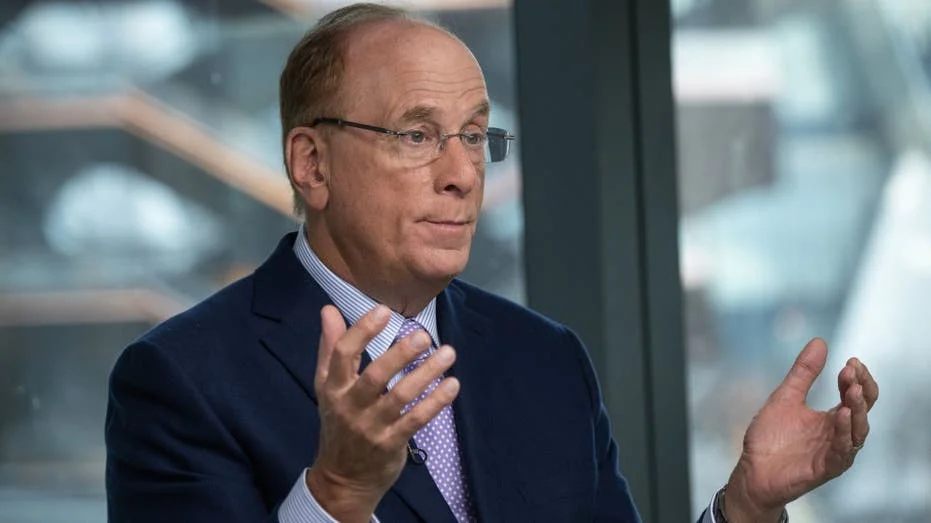
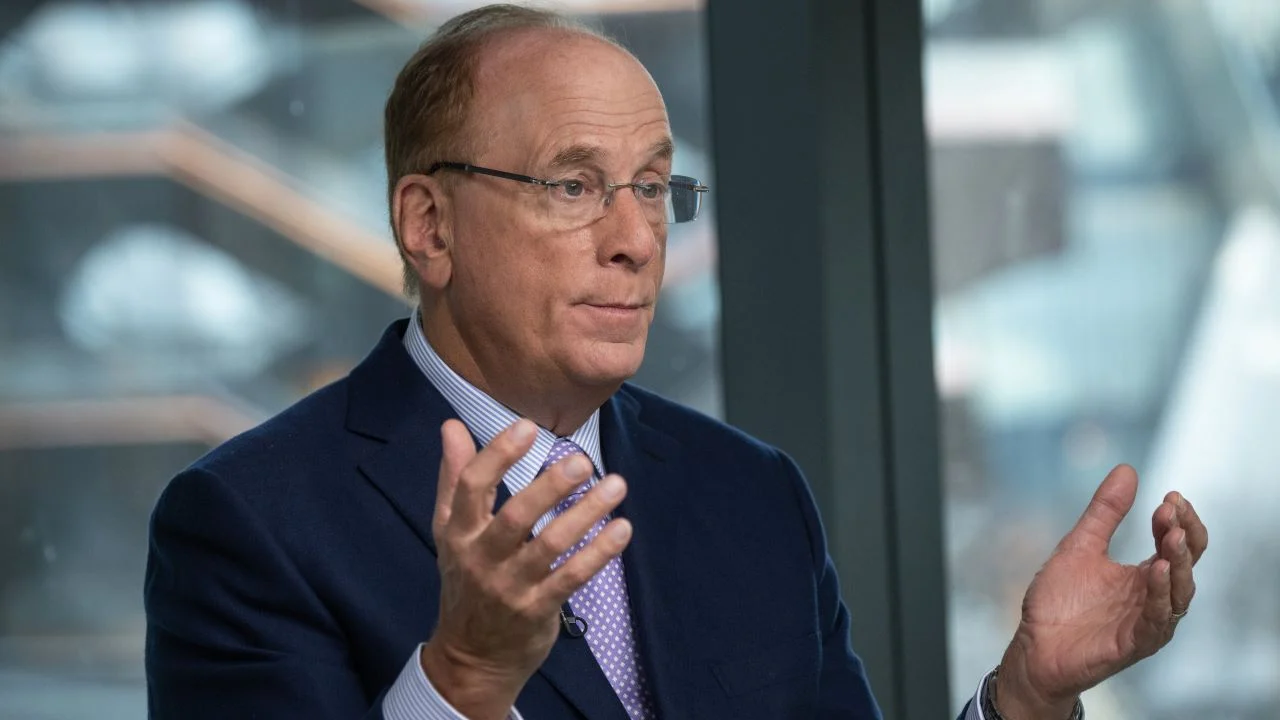
BlackRock CEO Larry Fink warned in his 2026 annual chairman’s letter that artificial intelligence (AI) could exacerbate wealth inequality unless more people gain access to financial markets. Fink emphasized that wealth growth has disproportionately favored those owning assets rather than wage earners and highlighted the need to broaden participation to share in AI-driven gains.
AI’s Impact on Wealth Concentration
Fink noted that since 1989, the value of a dollar invested in the U.S. stock market has grown more than 15 times faster than median wages. He argued AI threatens to intensify this pattern by concentrating benefits among companies and investors with the “data, infrastructure, and capital” to scale AI technologies. While technological shifts naturally concentrate market leadership, Fink stressed the importance of who benefits from that growth, warning that narrow ownership can make prosperity feel inaccessible to many.
Market Participation as a Solution
To address the wealth gap, Fink advocated expanding financial market participation. He highlighted “Trump Accounts,” savings programs seeded at birth with public and private funds and invested in broad U.S. stock indices, as a potential model to encourage young people to invest early. These accounts, controlled by parents or guardians until age 18, aim to provide a long-term financial foundation for those currently excluded from asset ownership.
Broader Economic Implications
Fink also raised concerns about AI’s uncertain impact on the labor market, especially for entry-level white-collar workers. While automation has historically boosted productivity and created new job opportunities over time, he acknowledged that transitions can be difficult for displaced workers. He framed AI’s economic value as a significant growth opportunity, contingent on expanding inclusive access to ensure wider participation in prosperity. Furthermore, Fink suggested that market-based solutions like those behind Trump Accounts could help stabilize social safety net programs such as Social Security, which faces insolvency risks in the coming decade.
For more stories on this topic, visit our category page.