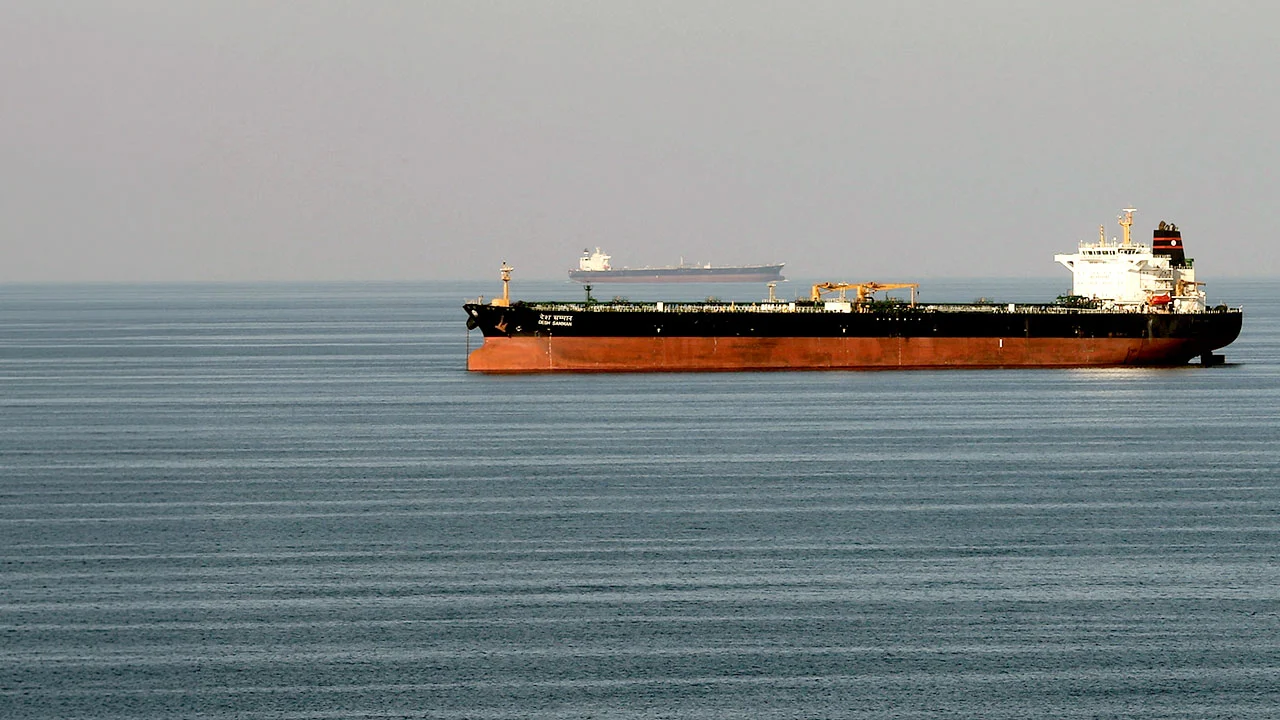
Goldman Sachs has raised its inflation forecasts for the United States in 2026 due to oil price shocks linked to the Iran war, according to the firm’s latest economic analysis. The firm projects Brent crude prices will average $105 per barrel in March and $115 in April, reflecting constrained oil shipments through the Strait of Hormuz. Under a baseline scenario of a six-week disruption, prices are expected to moderate to $80 by the fourth quarter, but longer or more severe disruptions could push prices higher.
Key points
Details
The investment bank outlined adverse scenarios in which oil prices peak at $140 to $160 per barrel, depending on the duration and extent of supply damage. These elevated prices are expected to increase headline personal consumption expenditures (PCE) inflation, with Goldman Sachs estimating that a 10% rise in oil prices adds roughly 0.2 percentage points to headline inflation.
Besides energy costs, Goldman Sachs highlighted potential increases in food prices resulting from higher fertilizer costs due to Gulf export restrictions. The firm estimates this could contribute an additional 0.1 percentage point to headline inflation in 2026. Expectations of second-round inflation effects could add another 0.1 to 0.4 percentage points by year-end, depending on the severity of the supply disruptions.
In this context, Goldman Sachs raised its December 2026 headline PCE inflation forecast to 3.1% in the baseline scenario, up from previous estimates. More severe disruption scenarios see inflation peaking near 4.9% in spring 2026 and ending the year between 3.6% and 4.0%. Core PCE inflation forecasts were increased to 2.5% to 2.6% by year-end.
The firm also lowered its GDP growth projections for 2026, reducing full-year growth from 2.4% to 2.1% in the baseline case and to under 2% in adverse scenarios. Goldman Sachs raised the 12-month recession probability to 30%, up 5 percentage points from prior estimates.
Despite these inflation pressures, Goldman Sachs maintained its baseline expectation for two Federal Reserve interest rate cuts of 25 basis points each in September and December. However, the probability that the Fed will hold rates steady this year was raised to 25%, with a reduced chance of insurance cuts to 10%, reflecting concerns over persistent inflation above the Fed’s 2% target.
Goldman Sachs’ analysis notes the ongoing impact of the Iran conflict on global oil flows and the challenge this poses for U.S. monetary policy amid elevated inflation and slowing economic growth.
For more stories on this topic, visit our category page.