The Senate unanimously approved a funding deal to reopen most of the Department of Homeland Security (DHS) after 42 days of shutdown, but the agreement excludes funding for Immigration and Customs Enforcement (ICE) and several Customs and Border Protection (CBP) components. This move reflects a concession by Senate Republicans to Senate Minority Leader Chuck Schumer and Democrats, though it lacks the immigration enforcement reforms Democrats sought.
Senate Votes to Reopen DHS Minus Immigration Enforcement
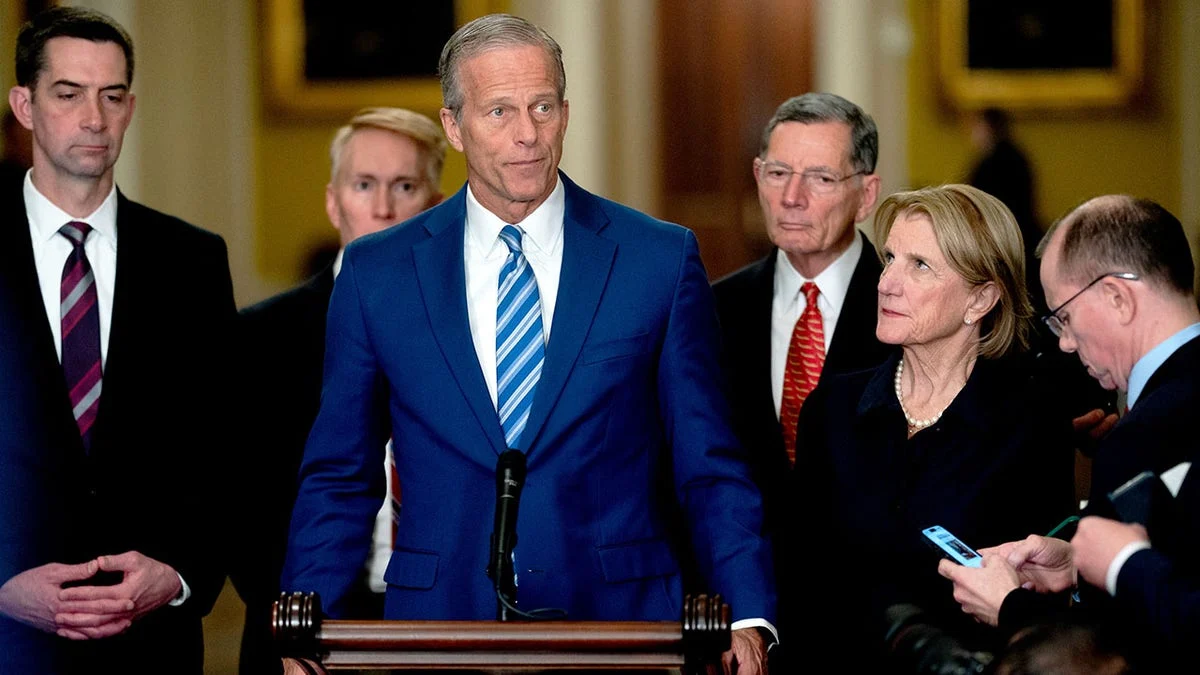
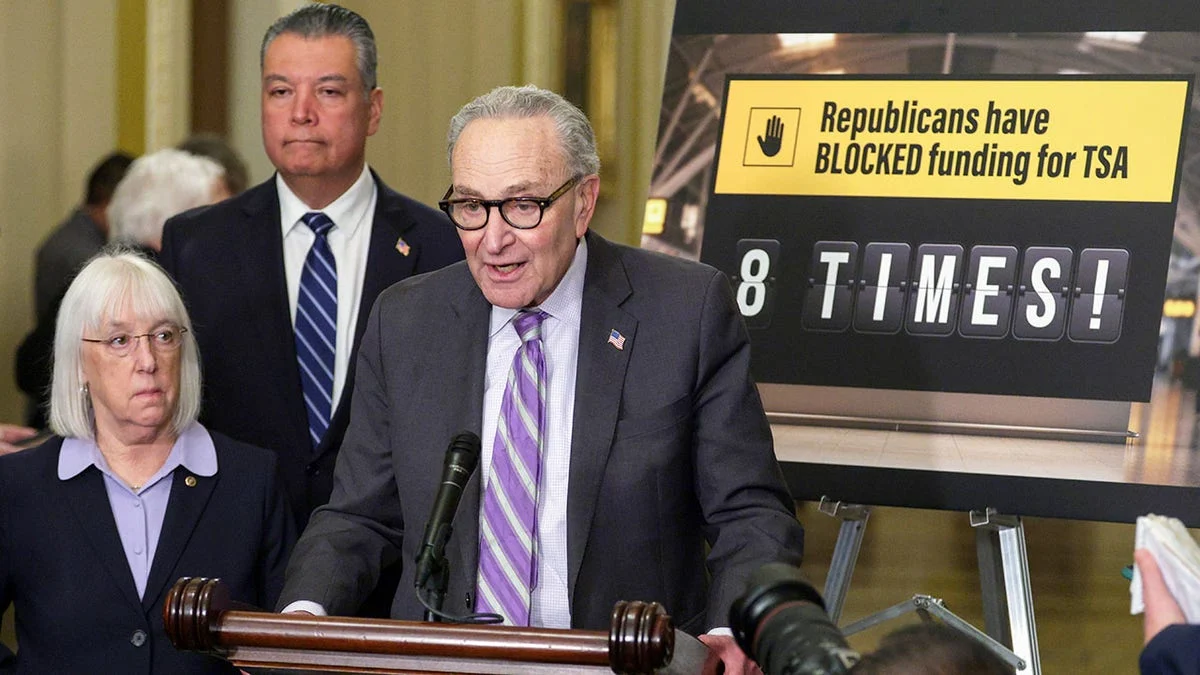
The bipartisan deal, passed in the early hours of Friday, restores funding to the majority of DHS operations, except for ICE and CBP immigration enforcement units. Senate Majority Leader John Thune (R-S.D.) characterized the deal as likely the Republicans’ “final” offer to Democrats, emphasizing that it contains no new reforms demanded by Democrats. Senate Minority Leader Schumer and Senate Democrats previously blocked multiple attempts to fund DHS without immigration policy changes.
Thune noted that ICE and CBP currently have about $75 billion in existing funds from legislation passed under the Trump administration, providing a temporary financial buffer. Republicans argue that Democrats’ refusal to fund immigration enforcement units stems from their insistence on including reforms such as requiring judicial warrants or agent identification, which Republicans say they sought to negotiate.
House and Longer-Term Funding Prospects Remain Uncertain
The funding measure now moves to the House, where Republican opposition persists against excluding key immigration enforcement agencies from funding, particularly related to former President Donald Trump’s immigration crackdown policies. The ongoing DHS shutdown has prompted Trump to announce an executive order intended to directly pay Transportation Security Administration (TSA) personnel amid strained airport operations caused by the funding lapse.
Senator Eric Schmitt (R-Mo.) has proposed a separate reconciliation effort to secure long-term funding for ICE and CBP, potentially locking in ten years of funding for deportation operations and salaries. However, this reconciliation strategy faces challenges due to restrictive Senate rules and competing legislative priorities, including provisions tied to voting eligibility laws and Iran war funding.
Senator Roger Marshall (R-Kan.) indicated that the reconciliation bill would focus narrowly on securing ICE funding for an extended period but cautioned that expectations should be tempered given procedural constraints.
For more stories on this topic, visit our category page.