
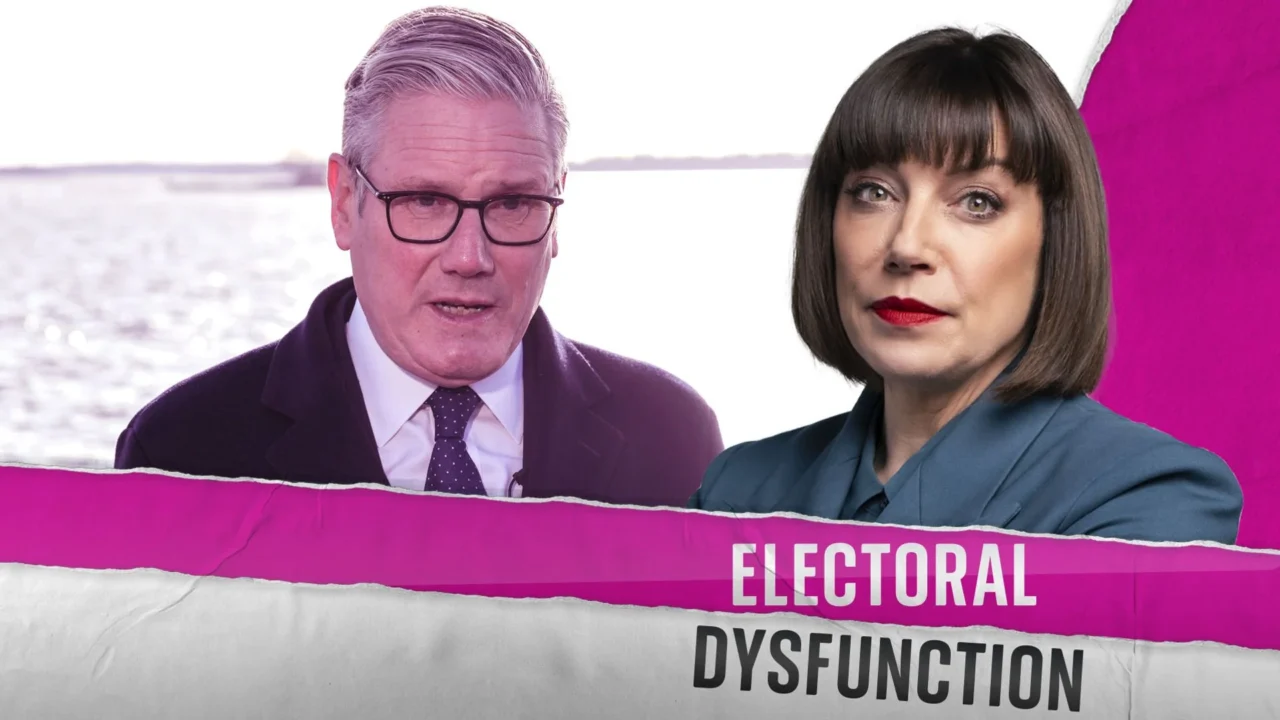
Prime Minister Keir Starmer has stated that the ongoing Iran war represents a “once in a generation moment” that will profoundly impact the United Kingdom’s future, shaping the country and its economy for decades. Speaking during a visit to Finland with allies in the Joint Expeditionary Forces military coalition, Starmer outlined the gravity of the global situation and its consequences for Britain.
Economic Outlook Darkens as Government Considers Energy Support
Starmer acknowledged that the UK economy’s outlook has worsened significantly since the chancellor’s recent spring statement, which had projected stability and falling inflation. He described those earlier assessments as a “fever dream” given current circumstances.
With the existing energy price cap set to expire in June, bills could increase by as much as £500 annually. The prime minister indicated any government intervention to help with energy costs will be “targeted,” distancing himself from broad subsidies such as the £40 billion price cap implemented in 2022 under Liz Truss’s administration. This stance contrasts with public sentiment showing around half of people believe the government can afford to subsidize bills, according to a YouGov poll.
The Organisation for Economic Co-operation and Development (OECD) recently projected that the UK economy will contract by 0.5% due to the Iran conflict, labeling the country the worst affected among its peers.
Political and Leadership Challenges Amid Global Crisis
Starmer discussed his experience navigating the political pressures accompanying the current international and domestic crises. He reflected on a leadership challenge and the controversy surrounding Peter Mandelson’s appointment, which he described as a personal mistake he regrets deeply. Starmer said he “beats himself up about it” and vowed not to repeat such errors.
Regarding internal party dynamics, Starmer expressed confidence in deputy leader Angela Rayner’s role in a future Labour government and dismissed speculation around challenges to his leadership.
When asked about former US President Donald Trump’s criticism, Starmer stated he will not “buckle under pressure” and remains determined to lead Britain through the turbulent period ahead.
Strategic Positioning for a Prolonged Crisis
Starmer compared the current geopolitical turmoil to past defining moments, such as the fall of the Berlin Wall, emphasizing the unusual scale of uncertainty caused by seeing Russian military action in Europe and threats from Iran in the Middle East.
He highlighted the UK’s strategic position during this multi-front crisis and framed his leadership as a test of resilience amid growing economic and political challenges. Starmer said his advice to his younger self would be to “rise to the challenge and accept the bumpy road,” signaling his readiness to steer the country through what he expects will be a difficult period.
For more stories on this topic, visit our category page.