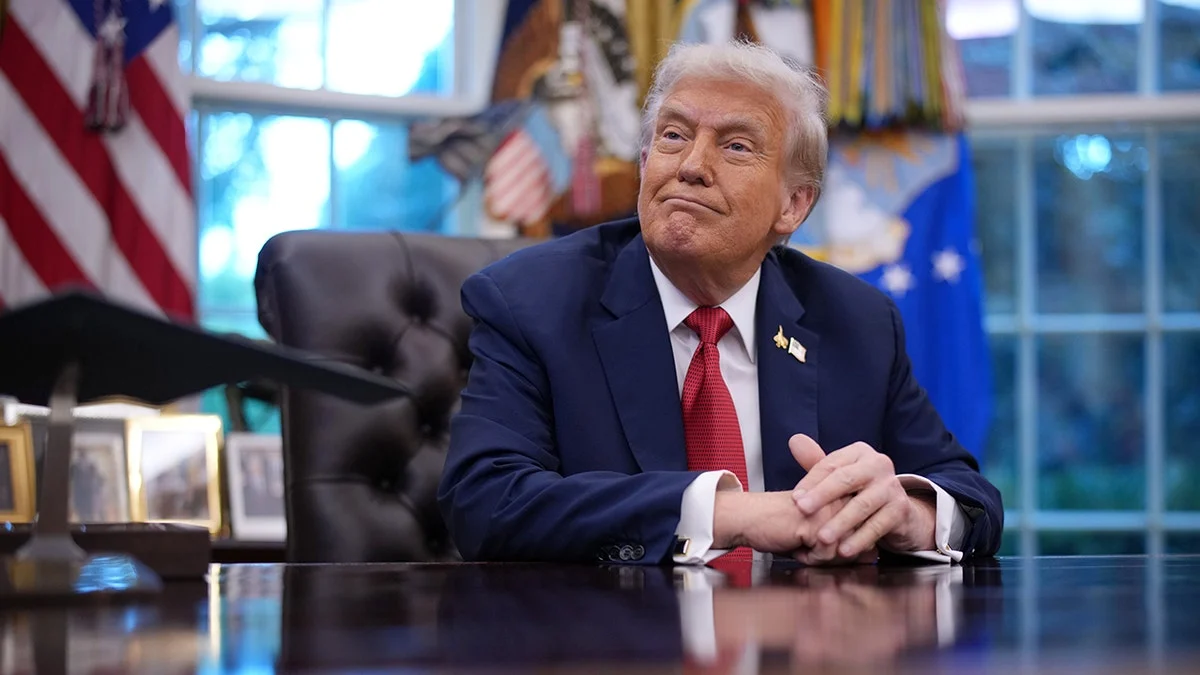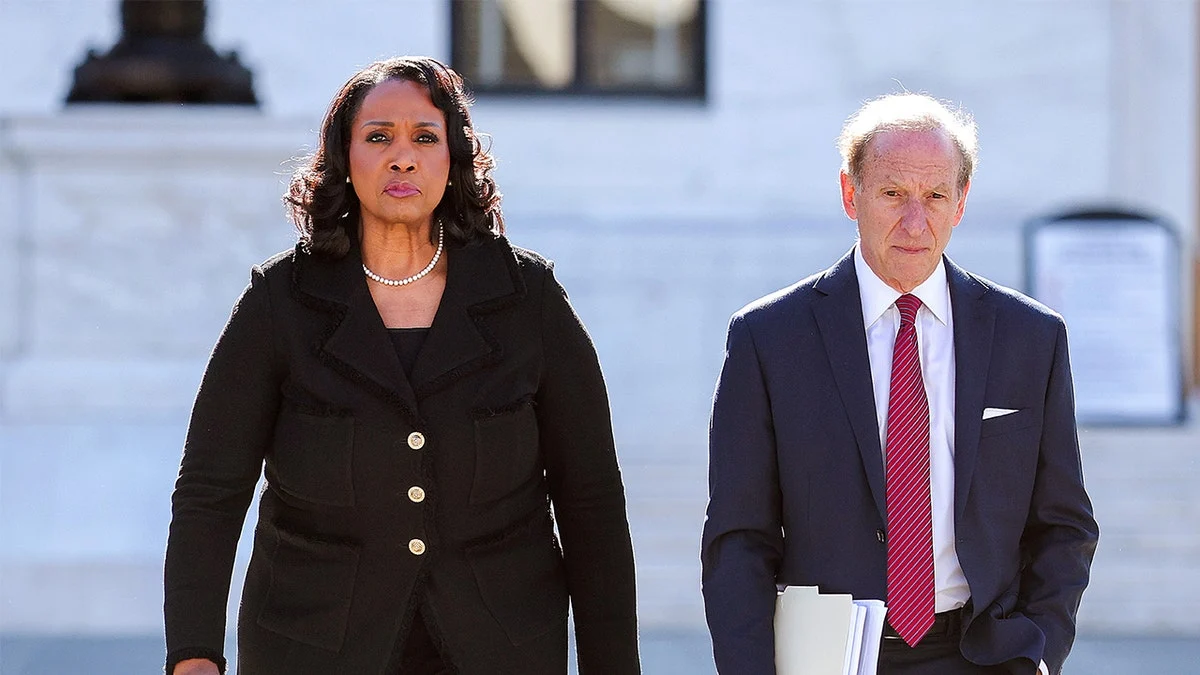
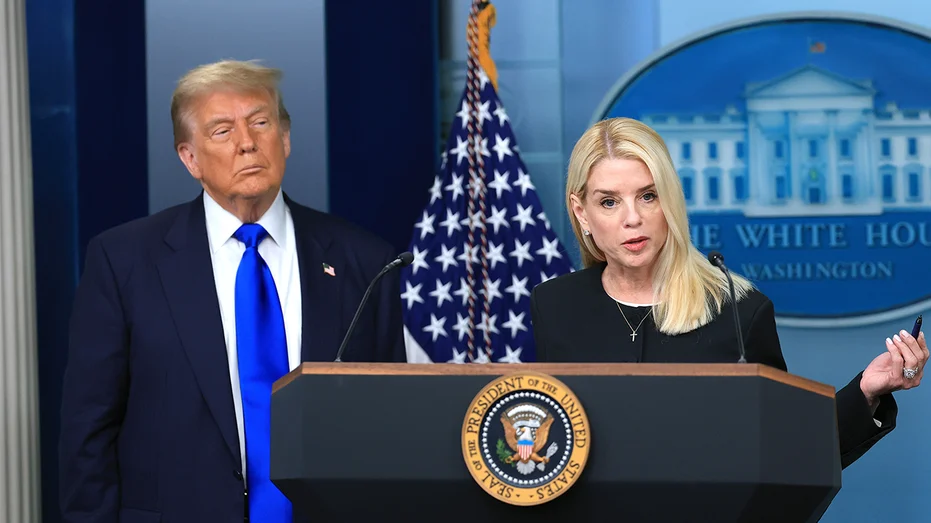
Federal courts in Washington, D.C., have repeatedly blocked significant elements of President Donald Trump’s agenda on immigration, policing, and federal authority, intensifying a nationwide debate over the limits of executive power. Recent rulings have notably affected Trump’s attempts to deport migrants under the Alien Enemies Act, assert control over local policing in Washington, D.C., and modify U.S. foreign aid programs.
Challenges to Deportations under the Alien Enemies Act
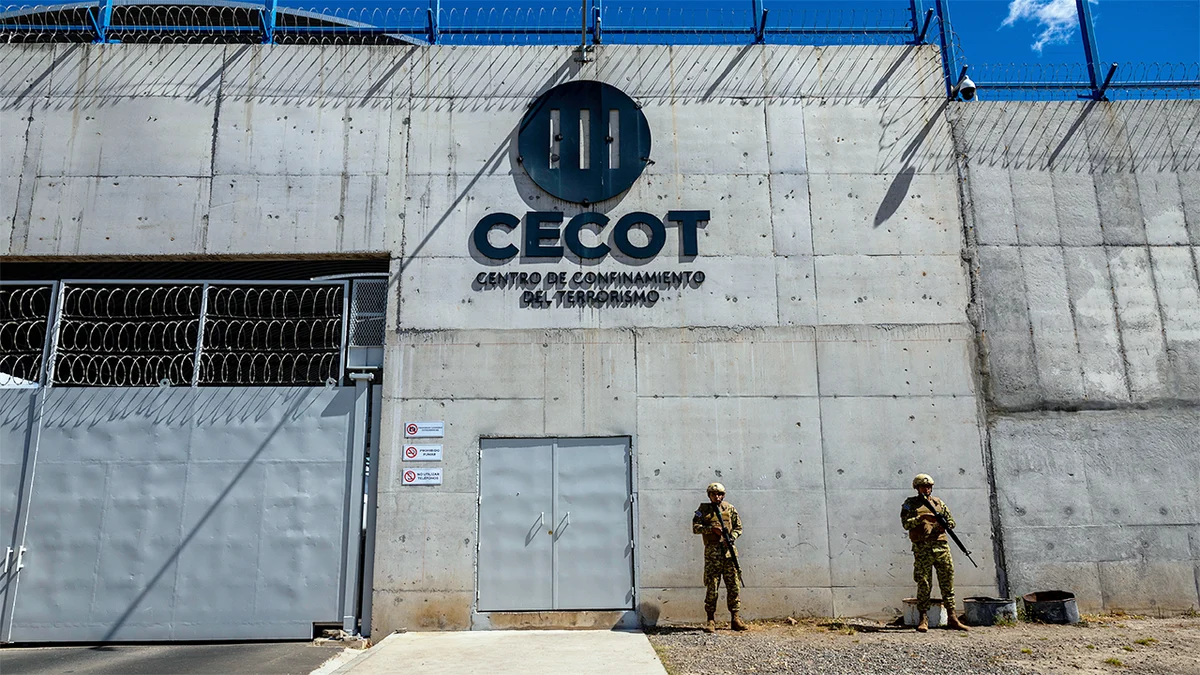
One of the earliest and most consequential legal confrontations involves the Trump administration’s use of the Alien Enemies Act, a law dating back to 1798. The administration invoked this statute to deport certain migrants to El Salvador’s Counter Terrorism Confinement Center (CECOT), actions challenged by civil rights groups and immigration advocates. They argue that the administration’s interpretation extends beyond the statute’s original wartime intent, citing its limited historical application, including during World War II.
The Justice Department defends the use of the Alien Enemies Act as a lawful exercise of executive authority pertaining to national security and immigration enforcement. The case has advanced through the D.C. federal courts and is now under appellate review. The final decisions could set important precedents regarding the modern application of outdated emergency powers in immigration policy.
Federal vs. Local Control of Policing in Washington, D.C.
Another major legal dispute concerns Trump’s efforts to increase federal involvement in policing Washington, D.C., including deploying National Guard troops to assist with crime prevention. Local officials have challenged these moves, characterizing them as an unprecedented federal intrusion into D.C.’s policing authority. The resulting lawsuit, District of Columbia v. Trump, highlights ongoing tensions between federal authority and local governance in the nation’s capital. Courts have so far limited Trump’s federal control, emphasizing the constitutional balance between state and federal powers over law enforcement.
Temporary Protected Status for Haitian Migrants
The Supreme Court has agreed to consider appeals from the Trump administration aiming to end Temporary Protected Status (TPS) for Haitian migrants, a designation originally granted after the 2010 earthquake in Haiti. A lower court ruling prevented the lifting of this status, with the administration arguing that TPS programs have been extended beyond their intended temporary purpose, effectively creating a “de facto amnesty.” The legal challenge also raises broader questions about the administration’s authority to terminate TPS protections for other migrant groups.
U.S. Agency for International Development (USAID) Cuts Blocked
Early in Trump’s term, a federal judge blocked the administration’s rapid attempt to reduce the U.S. Agency for International Development’s workforce and funding, halting mass leave orders. The issue reached the Supreme Court, which declined to halt a lower court order requiring the administration to pay nearly $2 billion in foreign aid committed through prior contracts. Litigation on this matter remains active in the appellate courts.
Why it matters
These court rulings highlight the ongoing tension between the executive branch and the judiciary over the scope of presidential power. The decisions affect core aspects of immigration enforcement, local governance, and federal agency management, with potential long-term implications for the authority of future administrations. The outcomes will influence how executive orders are implemented and contested, shaping the legal landscape of federal-state relations and immigration policy enforcement.
Read more Politics stories on Goka World News.