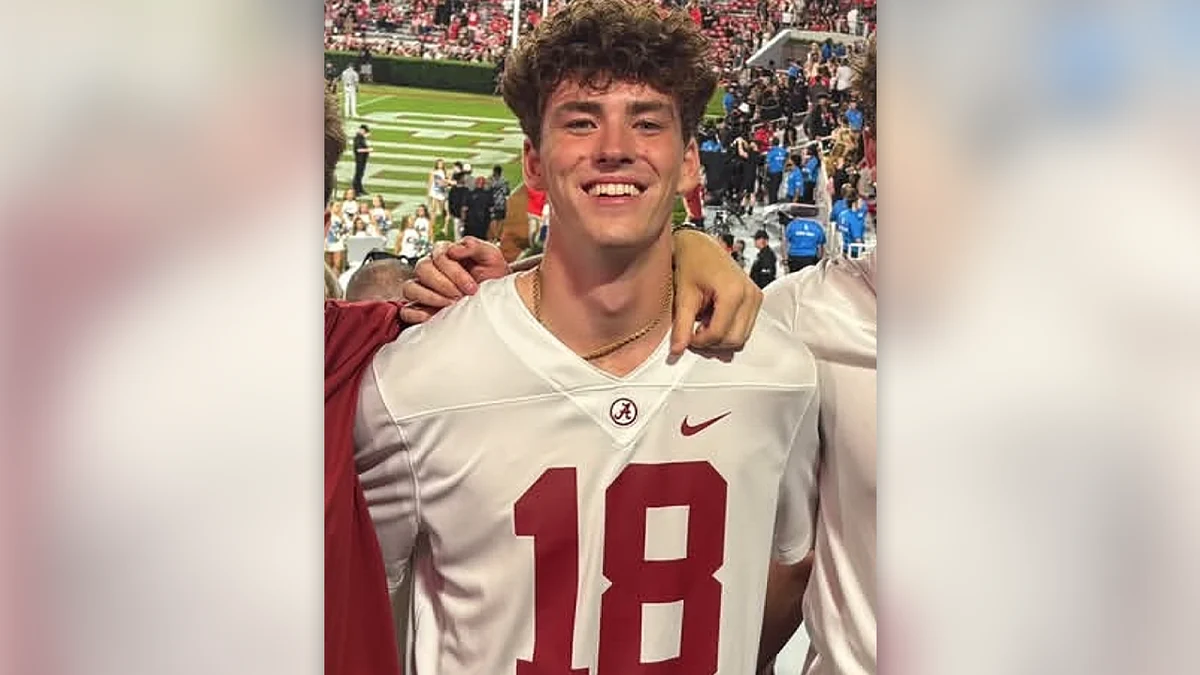
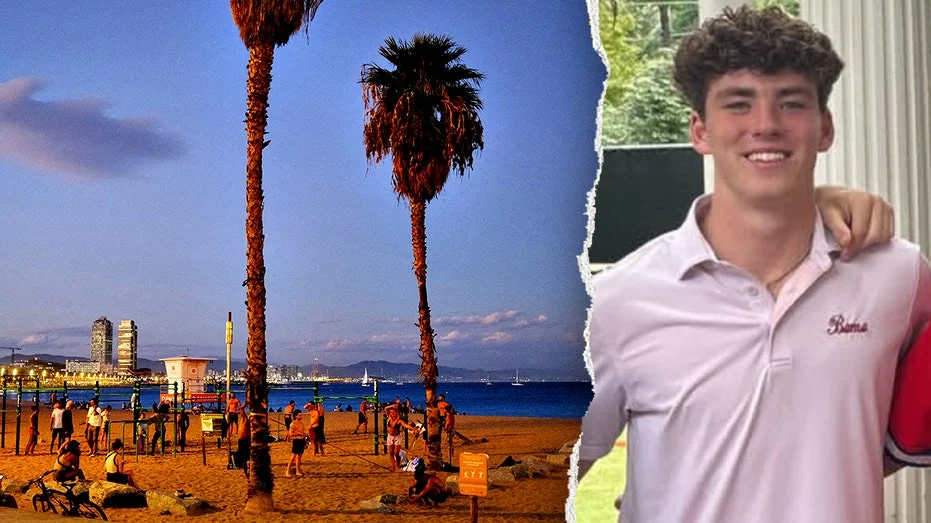
A forensic scientist with extensive experience has expressed doubts about the Spanish government’s official account of the death of James “Jimmy” Gracey, a 20-year-old University of Alabama student who died in Barcelona in March 2026. Joseph Scott Morgan, associate professor of applied forensics at Jacksonville State University, criticized the early conclusions reached by Spanish authorities, particularly regarding the timeline of injuries and the cause of death.
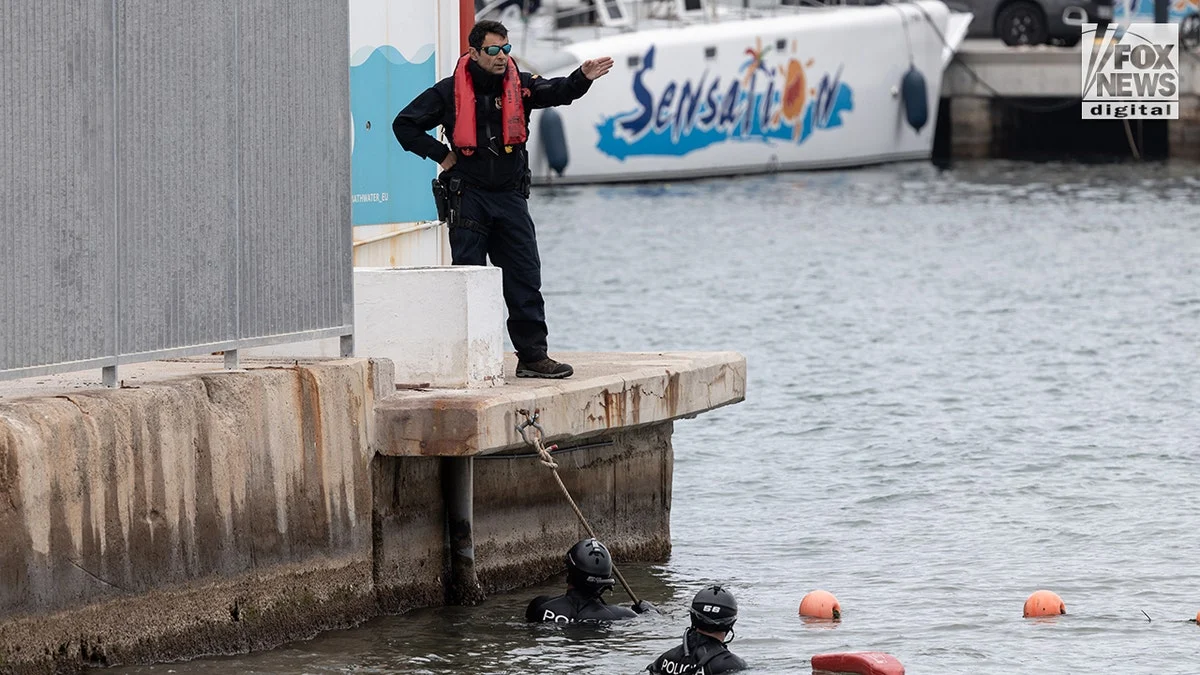
Gracey disappeared after a night out at a popular Barcelona bar on March 17. His body was found two days later near a pier close to the Port Olímpic marina. Spanish police initially described his death as accidental and linked it to intoxication from alcohol or drugs. They stated that Gracey’s wallet was recovered intact with cash and identification, although a necklace he reportedly wore was missing.
Authorities also recovered Gracey’s phone from a suspect involved in an unrelated crime. Spanish media reports suggested Gracey sustained multiple bruises over several hours before his death. Morgan challenged this assertion, explaining that bruising requires circulation and cannot occur post-mortem. He said contact with rocks after death may cause minor injuries but not bruises. “That’s a problem for me,” he remarked.
Morgan further stated that toxicology results are critical for a complete understanding of the circumstances, emphasizing that no definitive data had yet been released. He questioned whether Gracey might have been drugged, noting the potential presence of substances like date rape drugs that could impair judgment and increase vulnerability.
Given these concerns, Morgan recommended that the Gracey family commission a private autopsy by a board-certified forensic pathologist, though he acknowledged that such an examination may no longer be feasible, as Gracey’s body had already been returned to the United States. According to the Catalan police’s Chief Communication Officer, the body was prepared prior to repatriation, which might limit further toxicological examinations abroad.
Morgan highlighted a tendency of authorities in major tourist cities like Barcelona to quickly conclude deaths involving foreigners as accidental. He urged caution and thorough investigation to ensure the cause of death is accurately determined.
Why it matters
The scrutiny of Spanish authorities’ handling of Jimmy Gracey’s death raises questions about the accuracy of forensic conclusions in international cases involving tourists. Timely and thorough investigations, including toxicology testing, are essential to rule out foul play and provide closure to families. This case underscores the challenges faced when bodies are repatriated before complete examinations are finalized.
Background
Jimmy Gracey was a junior at the University of Alabama and had traveled to Barcelona for spring break. He was last seen leaving a bar late at night on March 17, 2026. His disappearance and subsequent death attracted significant media attention, prompting calls for transparent investigation amid growing doubts about the official narrative. Barcelona’s Port Olímpic area, where Gracey’s body was found, is known for rocky shorelines and a busy nightlife environment frequented by tourists.
Read more US News stories on Goka World News.