The House of Representatives passed a two-month funding extension for the Department of Homeland Security (DHS) late Friday, aiming to resolve the 43-day government shutdown. However, the Senate is expected to reject the House’s plan, potentially extending the shutdown for weeks and leaving many DHS employees still unpaid.
House GOP Pushes Alternative DHS Funding Plan
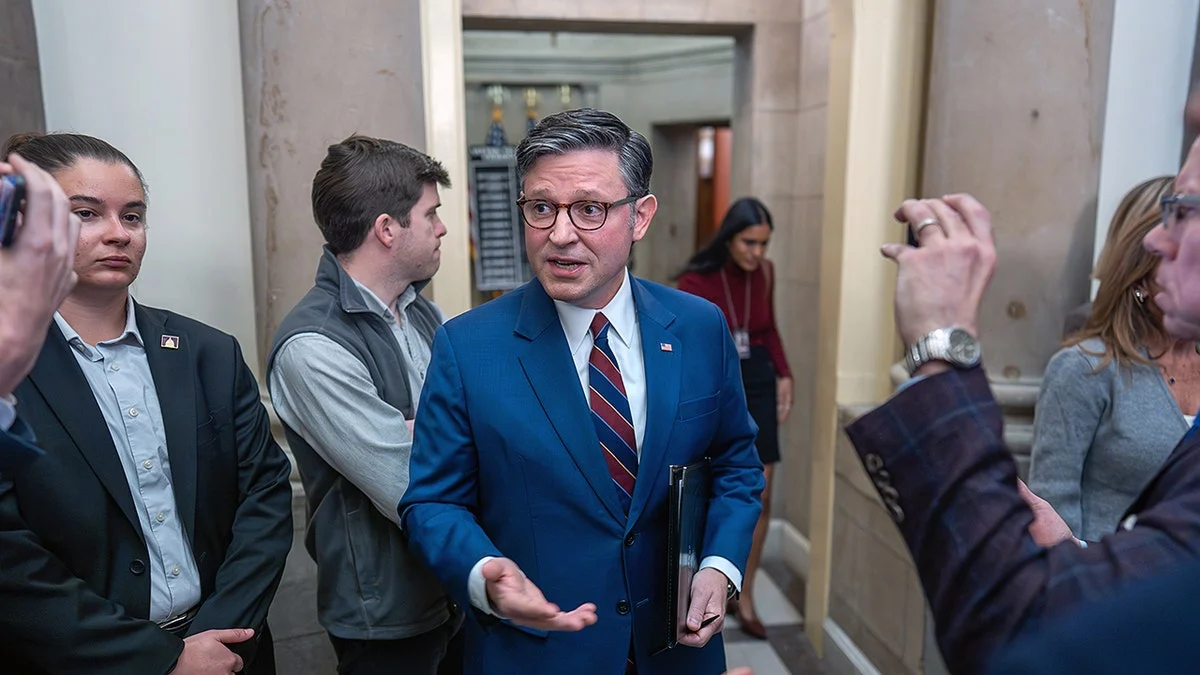
House Republicans rejected a Senate-passed DHS funding bill that excluded full funding for Immigration and Customs Enforcement (ICE) and parts of U.S. Customs and Border Protection (CBP). Instead, the House approved a clean two-month extension to fully fund DHS, including both agencies. Speaker Mike Johnson (R-La.) characterized the Senate bill as splitting crucial agencies and pledged that House Republicans would not support reopening the border or limiting immigration enforcement.
Johnson stated, “We just couldn’t do it,” emphasizing the House GOP’s refusal to accept the Senate’s approach. House Republican leaders have urged the Senate to return from recess to consider the House-passed bill, but Senate Democrats and Republicans alike remain entrenched, making progress unlikely.
Senate Recess and Political Impasse
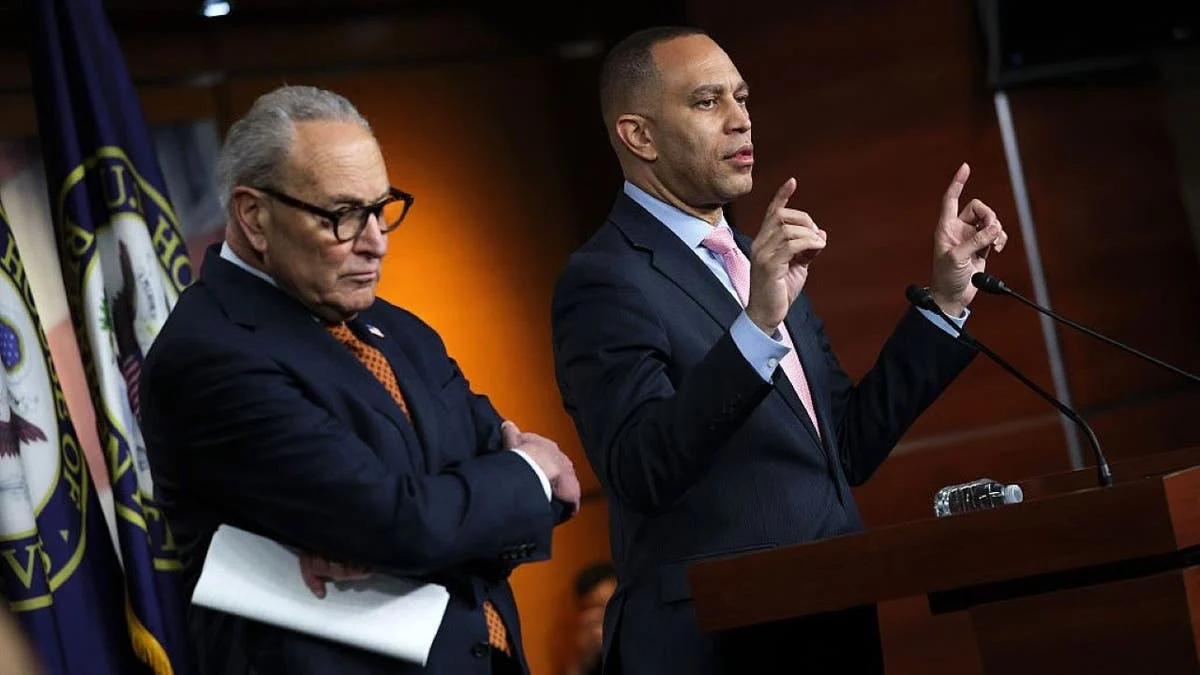
The Senate unanimously approved a DHS funding measure early Friday but left Washington for a two-week Easter recess before addressing the House’s new proposal. Senate Democrats have consistently blocked continuing resolutions (CRs) to fund DHS, arguing the House bill is partisan, while Senate Republicans have criticized Democrats for not supporting any compromise.
House Republican Conference Chairwoman Lisa McClain and Republican Study Committee Chairman August Pfluger urged the Senate to return immediately to vote on the House bill, highlighting the hardship faced by DHS employees who remain unpaid due to the shutdown. Meanwhile, the House entered its own recess, complicating bipartisan negotiations further.
Impact on DHS Workforce
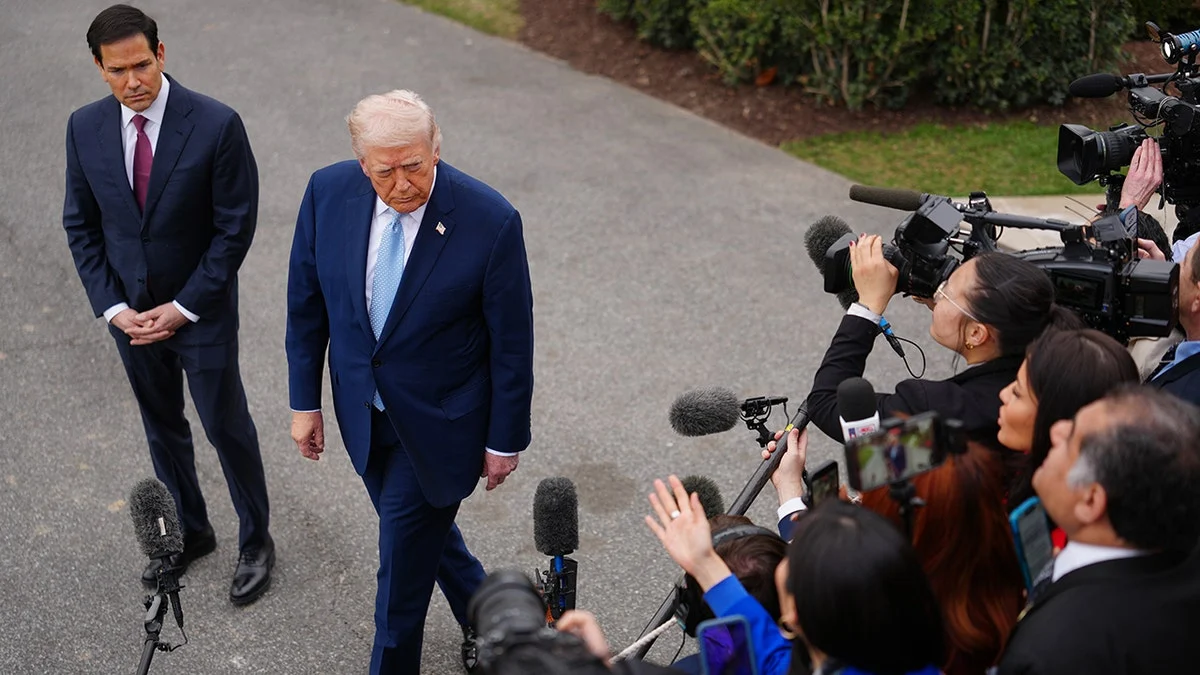
The prolonged shutdown has left tens of thousands of DHS employees without pay, forcing hundreds of TSA officers to quit amid financial pressures. In response, President Donald Trump signed an executive order directing DHS to pay TSA agents using existing funds, aiming to alleviate staffing shortages at airport security checkpoints. However, other DHS personnel—such as those at the Federal Emergency Management Agency, Cybersecurity and Infrastructure Security Agency, the Coast Guard, and certain ICE and CBP support staff—remain unpaid.
Why it matters
The DHS shutdown disrupts critical federal operations, particularly border security, emergency management, and transportation safety. The House’s insistence on fully funding immigration enforcement agencies reflects sharp partisan divisions over border policy. Without Senate action, the shutdown will continue to affect government workers, services, and public safety functions.
Read more Politics stories on Goka World News.