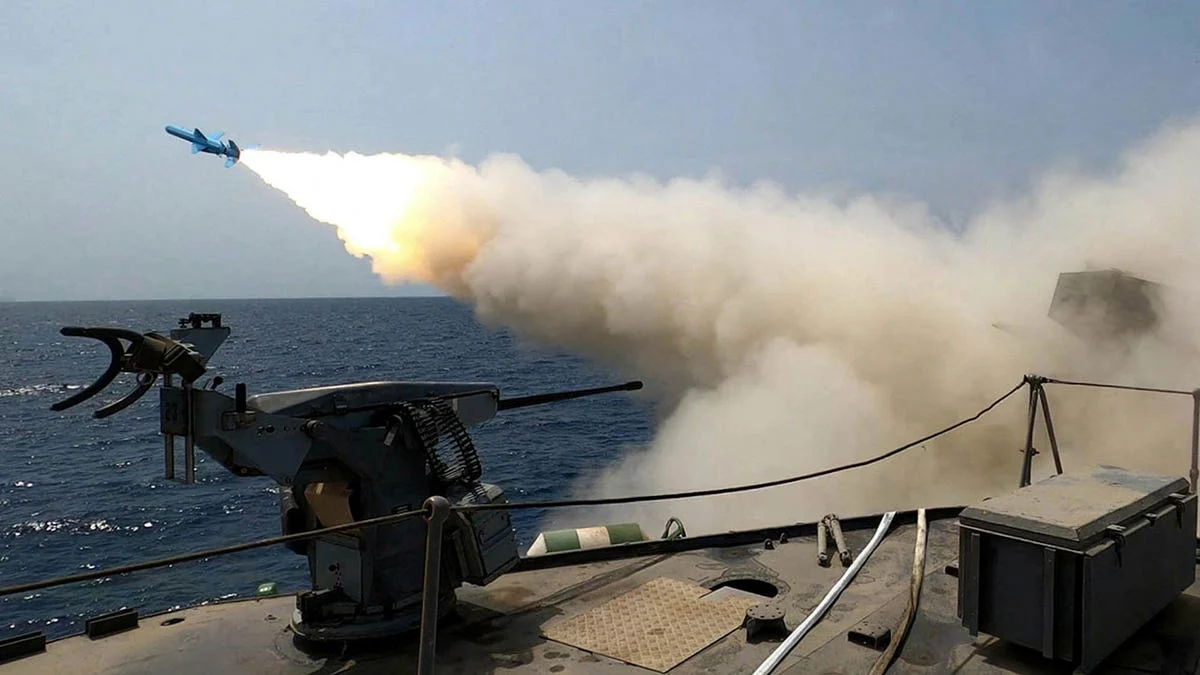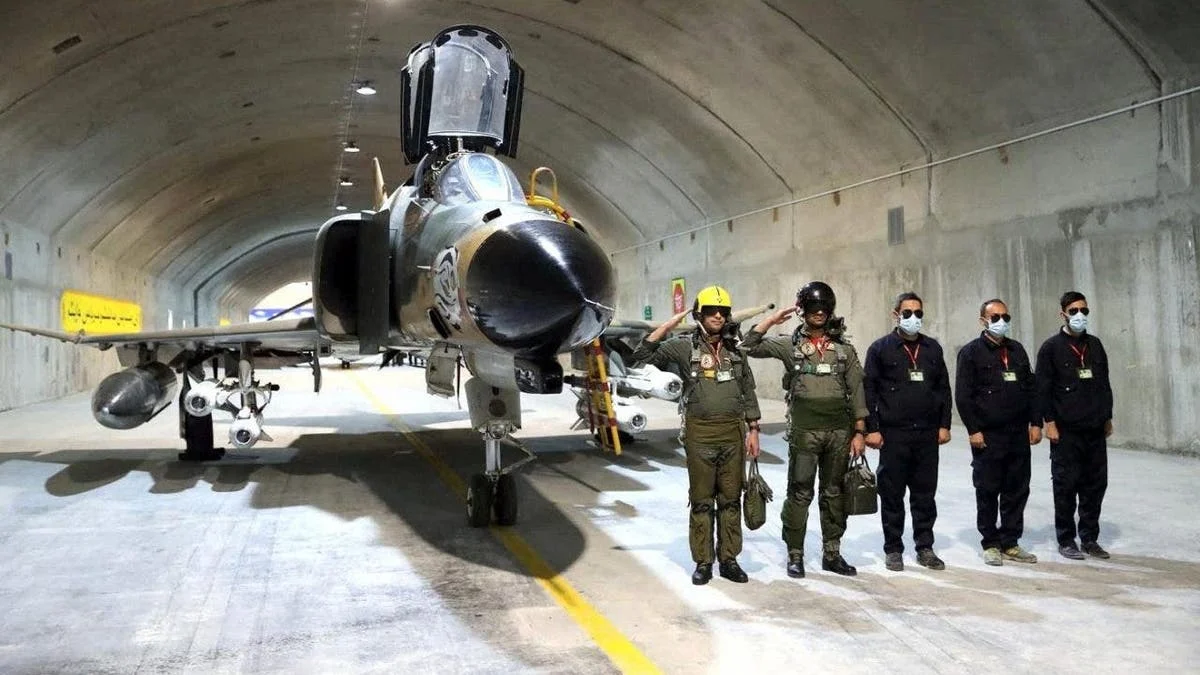
Iran’s military is structured primarily to endure and outlast conventional conflicts, not to decisively defeat adversaries such as the United States or Israel, according to military analysts. This approach has shaped Iran’s response to ongoing U.S. and Israeli strikes targeting its strategic assets and missile infrastructure.
Since the launch of Operation Epic Fury, more than 9,000 Iranian targets have been struck by U.S. Central Command, including missile sites, air defenses, Revolutionary Guard command centers, and weapons production facilities, alongside over 9,000 combat sorties, as of March 23, 2026. These strikes aim to degrade Iran’s ballistic missile systems and naval capabilities significantly.
Iran’s Dual Military Structure
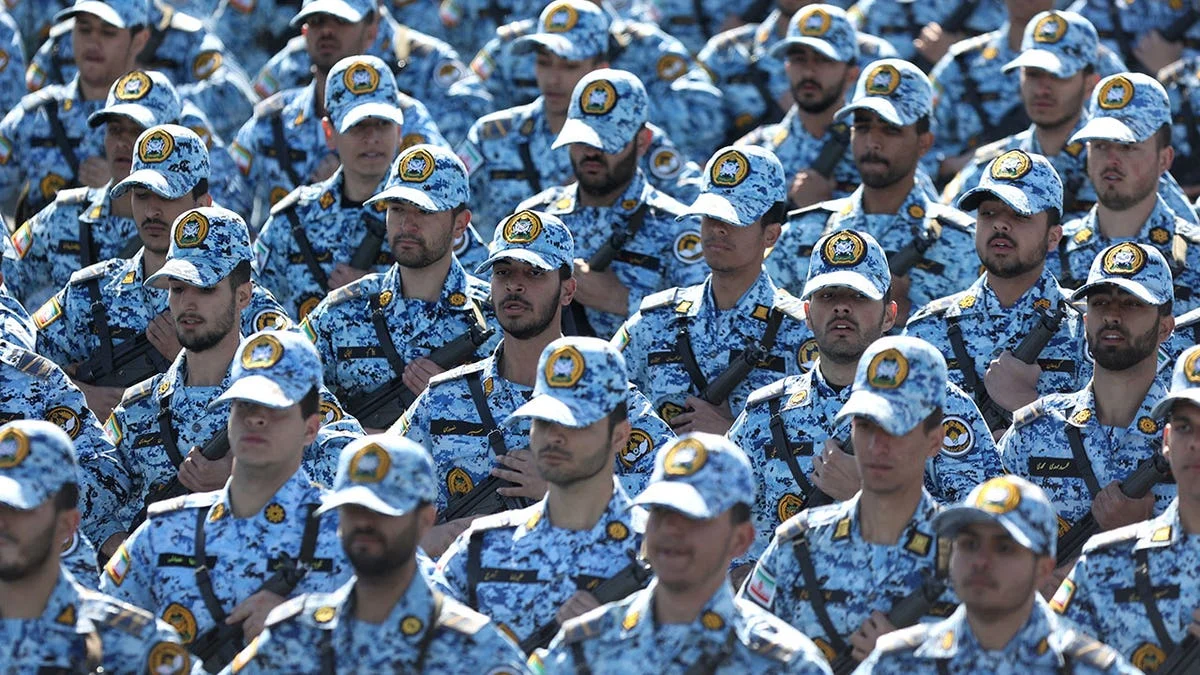
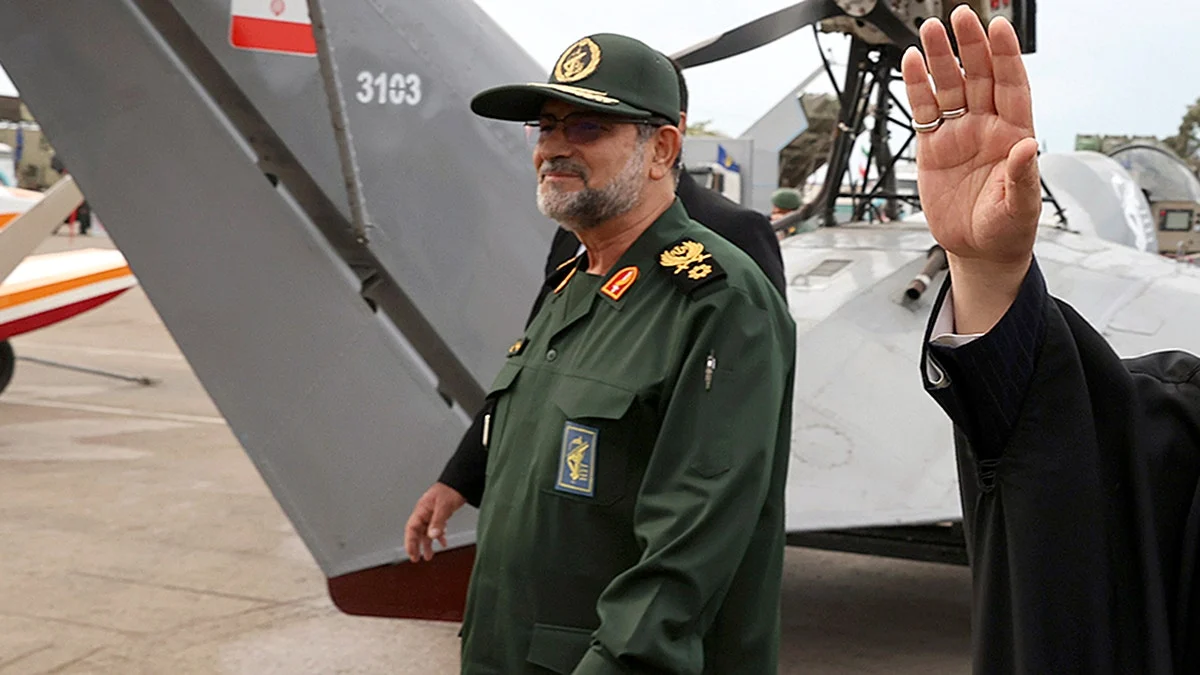
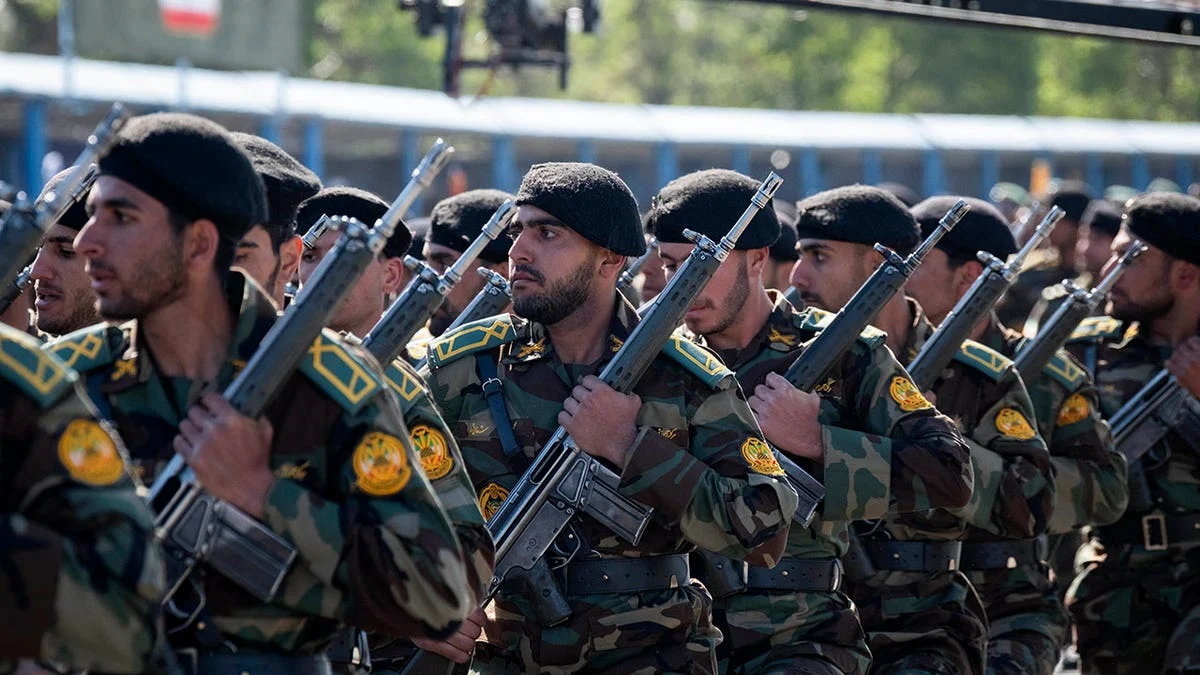
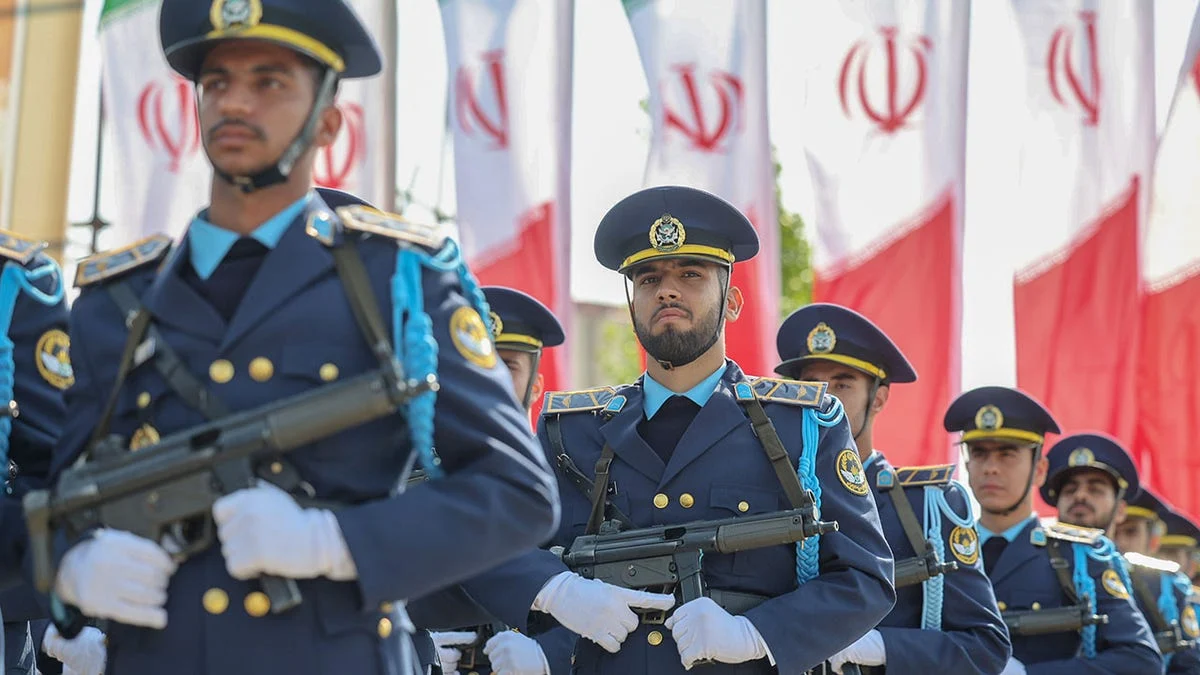
At the core of Iran’s defense system lies a dual military force: the conventional army known as the Artesh, and the Islamic Revolutionary Guard Corps (IRGC), a parallel force established after the 1979 revolution to protect the regime and promote its ideological goals. Experts emphasize that the IRGC receives preferential funding, equipment, and resources compared to the Artesh.
“The IRGC is probably the more dangerous of the two,” said Nicholas Carl, a fellow at the American Enterprise Institute, describing the IRGC as a “deeply ideological praetorian guard.” The regular army focuses on conventional border defense, but both components remain potential threats.
Missile Capabilities Despite Damage
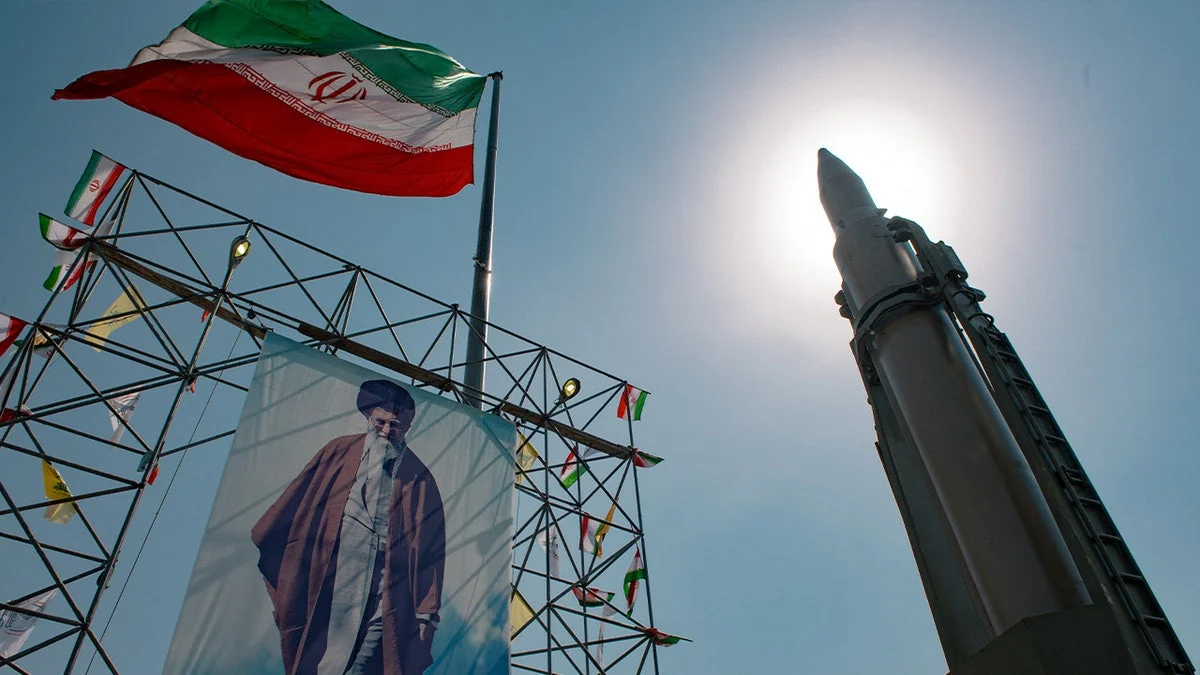
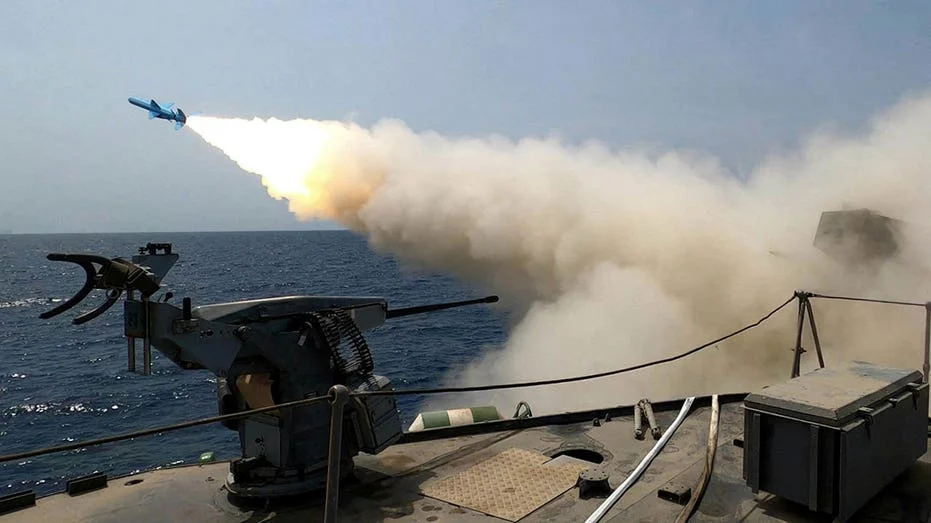
Missiles continue to be Iran’s strongest military asset. The IRGC Aerospace Force has developed the largest missile inventory in the Middle East, although U.S. strikes have notably curtailed Iran’s launch rates. U.S. Joint Chiefs Chairman Gen. Dan Caine reported an 86% reduction in Iranian ballistic missile launches and a 73% decrease in drone activity since fighting began.
Secretary of War Pete Hegseth added that Iran’s ability to sustain high-volume missile attacks has been severely limited. Still, U.S. officials acknowledge that Tehran retains sufficient missile and drone capacity to continue selective strikes for weeks.
“Iranian missile and drone fire has dropped precipitously … but that number has been consistent for weeks,” Carl said, highlighting that about a third of Iran’s missile capabilities remain operational. Intelligence assessments concur that the regime maintains a significant capacity to threaten regional targets despite sustained attrition.
Why it matters
The persistence of Iran’s missile capabilities presents ongoing regional security risks, as Tehran can still conduct targeted attacks and disrupt critical maritime routes such as the Strait of Hormuz. The dual military structure complicates efforts to neutralize Iran’s forces quickly, emphasizing the challenge of debilitating a regime designed for endurance rather than swift defeat.
Background
The IRGC was established after the Islamic Revolution to safeguard the regime’s continuity and expand its influence through proxy militias and regional operations, while the Artesh operates as a conventional defense force. Operation Epic Fury marks a significant escalation in U.S. and Israeli efforts to diminish Iran’s military power amid broader geopolitical tensions centered on Tehran’s nuclear ambitions and regional activities.
Read more World News stories on Goka World News.