
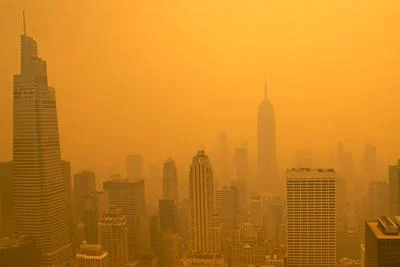
A new study published in the journal Science warns that experts frequently overlook the extensive ripple effects caused by extreme weather events, leading to underestimation of their true costs and inadequately preparing societies for their broader impacts. The paper calls for a global monitoring system to better track and respond to cascading consequences of climate-related disasters.
Several historical and recent examples illustrate these far-reaching impacts. In 2010, a severe drought in Russia caused a critical shortage of wheat. When Russia imposed an export ban, global wheat prices surged, triggering sharp increases—in some cases up to 300 percent—in bread prices within Egypt by 2011. This economic pressure was one factor contributing to widespread riots across the country.
More recently, the 2023 Canadian wildfires burned approximately 70,000 square miles of forest, producing massive plumes of smoke that darkened skies thousands of miles away, including in U.S. cities like Chicago and New York, as well as parts of Europe. One estimate attributes over 22,000 European deaths to the elevated pollution levels resulting from the fires’ smoke.
In France last summer, extreme heat not only boosted demand for cooling but also disrupted energy production. Nuclear power plants were forced to shut down due to regulations preventing hot water discharge into rivers already warmed by the heatwave. This unexpected loss of electricity generation demonstrated another indirect effect of extreme weather beyond the immediate heat impacts.
The authors argue that failing to consider such interconnected effects risks policymakers and planners undercounting the true societal and economic burdens of climate extremes. They emphasize the need for a comprehensive global system to monitor and analyze how weather disasters cascade across sectors and borders. Such a system could improve preparedness and response by identifying vulnerabilities beyond local or direct impacts.
Why it matters
Understanding the indirect and cross-border consequences of extreme weather is crucial as climate change intensifies the frequency and severity of such events. Without comprehensive tracking and planning, governments may be unprepared for the compound impacts on food security, public health, energy infrastructure, and social stability worldwide. Establishing monitoring systems could inform better risk management and global cooperation.
Background
Previous research has documented isolated consequences of climate-driven crises, but integrated assessments of their global cascading effects remain limited. Various sectors, including agriculture, energy, and public health, experience indirect pressures from distant weather disruptions. This growing body of evidence supports calls within climate science for holistic approaches to understanding and mitigating climate risks beyond immediate disaster zones.
Read more Climate & Environment stories on Goka World News.