Oil prices have surged more than 40% since the onset of the conflict involving Iran, significantly tightening global energy supplies and prompting concerns about further increases in U.S. gasoline prices. Despite recent volatility, the price of West Texas Intermediate (WTI) crude remains elevated near $100 a barrel as market disruptions persist.
The conflict has caused supply dislocations, with U.S. and Israeli strikes on Iran reducing global crude availability by an estimated 10 million to 11 million barrels per day. This substantial disruption has intensified worries about the security of oil flow through critical routes such as the Strait of Hormuz, which remains under geopolitical strain as the U.S. extends deadlines for its reopening while considering additional military responses.
According to Phil Flynn, a senior market analyst at Price Futures Group, gasoline prices at the pump often lag behind crude oil changes by several weeks, indicating consumers have not yet fully experienced the impact of the oil price surge. “More than likely there is more to come, because there’s usually a lag between crude prices and what consumers pay at the pump,” Flynn said. Similarly, Michael Mische, a supply chain expert and professor at the University of Southern California, echoed these warnings, stating, “There’s more still to come,” as prices continue to work through the supply chain.
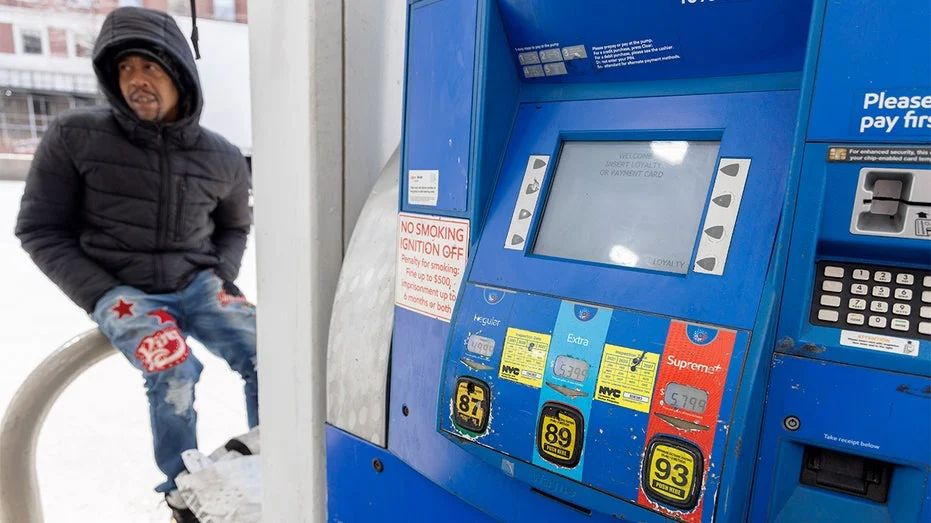
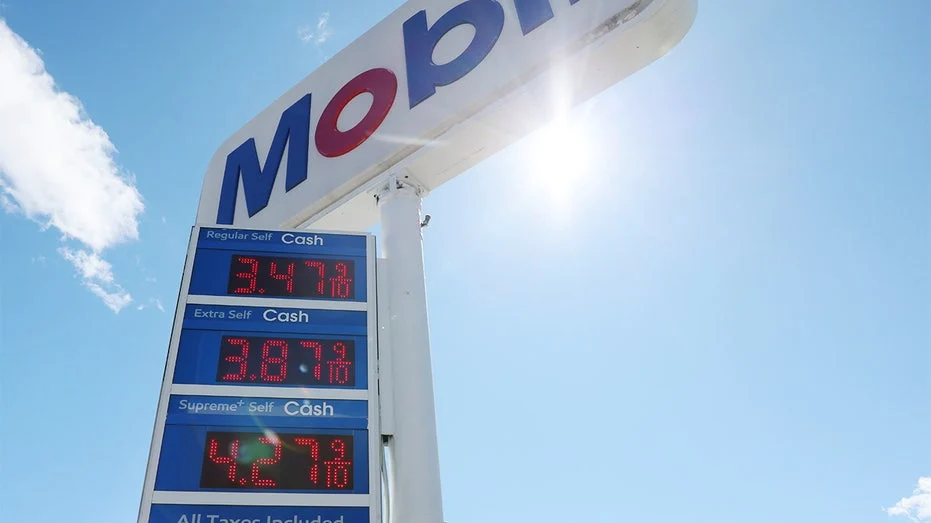
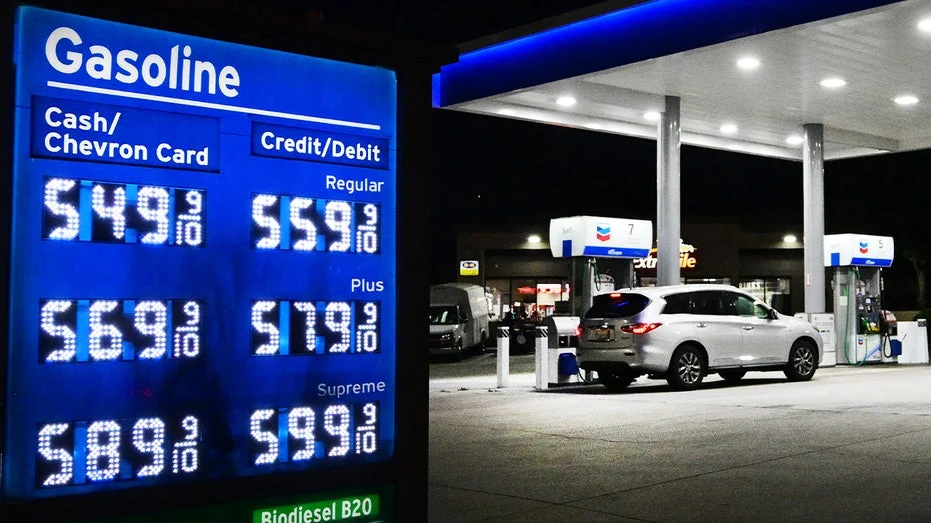
Current average retail gasoline prices in the U.S. are approximately $3.98 per gallon, rising by nearly $1 in the last month according to AAA and GasBuddy data. These increases reflect earlier crude price gains, and further price pressure is anticipated as refiners transition to costlier summer fuel blends, which add to refining expenses regardless of crude price fluctuations.
Despite this, strong U.S. domestic oil production has helped moderate the impact of the supply shock. Mische noted that without current production levels, the situation could be much worse.
Why it matters
Rising crude and gasoline prices directly affect consumer expenses and inflation rates, intensifying economic pressures amid ongoing geopolitical uncertainty. The ongoing disruption in Iranian oil supplies and potential escalation in conflict threaten to keep energy costs elevated, impacting transportation costs and broader economic conditions.
Background
Since early 2026, tensions involving Iran have triggered military strikes and supply chain disruptions that have displaced millions of barrels of oil daily. The Strait of Hormuz, a crucial chokepoint for global oil shipments, remains vulnerable amid diplomatic and military maneuvers. Historically, such disruptions lead to rapid increases in crude prices, with retail fuel prices lagging and occasionally continuing upward even after crude stabilizes.
Read more Business stories on Goka World News.