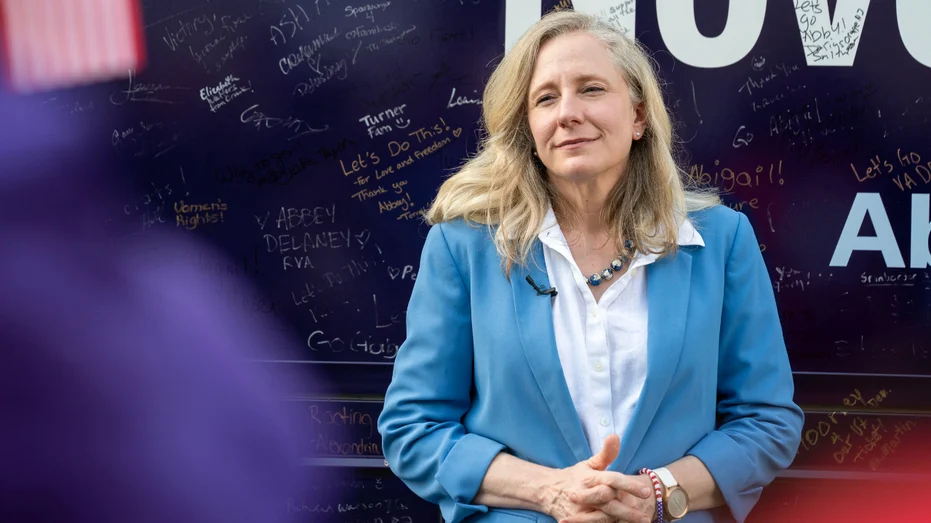
Virginia Rep. Abigail Spanberger has denied allegations that she made a secret deal with former Rep. Elaine Luria regarding the redrawing of the state’s Second Congressional District. The district boundaries, which have recently been redrawn, have sparked accusations of partisan gerrymandering and controversy ahead of a key special election on April 21.
The controversy intensified after a video surfaced showing an individual confronting Luria as she left an event in Hampton Roads, questioning whether she had collaborated with Spanberger to influence the district lines. Luria did not respond, but the video circulated widely, fueling speculation on social media and among political observers.
Spanberger’s spokesperson Libby Wiet told Fox News Digital, “There was no deal,” directly refuting the suggestion that the two Democrats worked together on the redistricting effort. Luria’s campaign declined to comment on the matter. Meanwhile, a spokesman for Republican Rep. Jennifer Kiggans, who now represents the district’s area under the altered boundaries, said the viral video of the confrontation “speaks for itself” and urged voters to consider it when they cast ballots on April 21.
Redistricting changes and political impact
The revised boundaries of the Second Congressional District incorporate heavily Democratic areas such as Newport News and the city of Franklin, while excluding more moderate parts of Chesapeake. This shift is widely seen as making the district more favorable to Democrats. Luria, who previously held the seat, is challenging Kiggans in what had been a competitive race made even more consequential by the new map. Across Virginia, Republicans have condemned the changes as partisan gerrymandering, particularly objecting to the splitting of Prince William County into five districts.
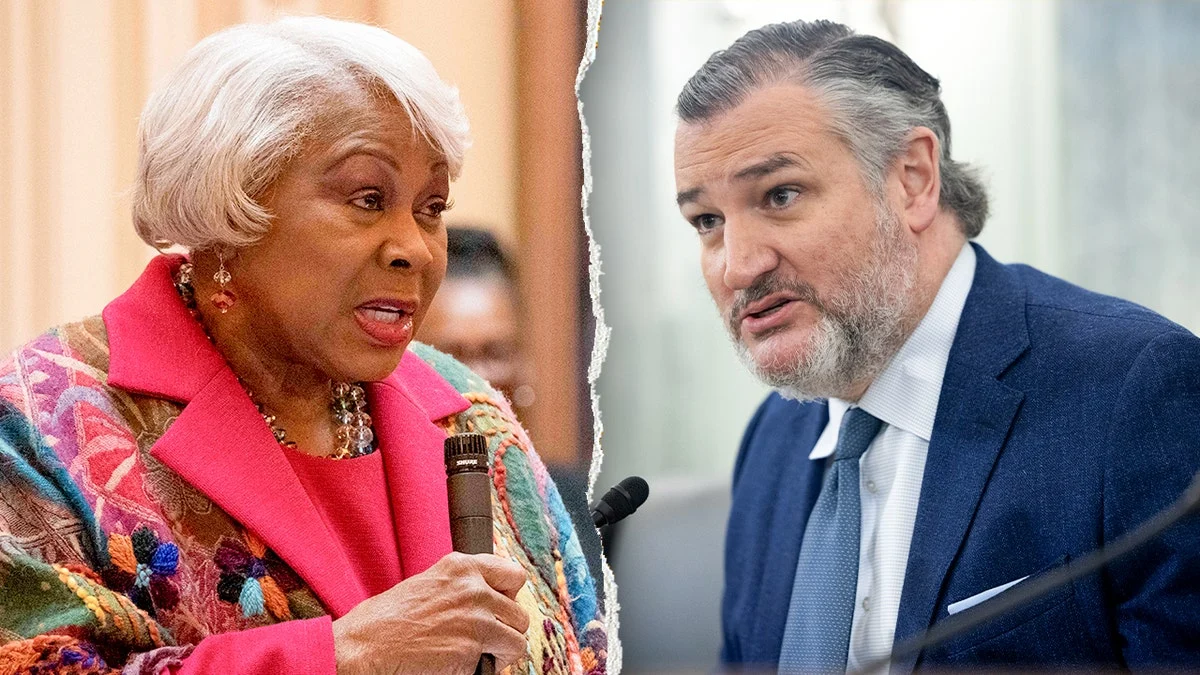
Virginia Senate President Pro Tempore L. Louise Lucas, a Democrat, has been an active and vocal proponent of the redistricting plan, responding to critics with sharp language. She has publicly mocked prominent Republicans such as former Gov. Glenn Youngkin and Sen. Ted Cruz over their opposition to the Democratic-led effort.
Statewide political tensions over redistricting
The redistricting process has highlighted deep divisions in Virginia politics, with Republicans warning that the new maps dilute rural and Republican voters’ influence by concentrating Democratic voters in key districts. Some Democratic lawmakers involved in the process, including Del. Dan Helmer, have dismissed claims that the lines were drawn to benefit specific candidates, stating their goal was to secure a Democratic majority in the legislature.
Rep. Donald Beyer, an Alexandria Democrat, acknowledged that one objective of the redistricting was to counter former President Donald Trump, which has added fuel to partisan tensions. This acknowledgement has intensified Republican criticism of the map revisions as a power grab rather than a fair representation adjustment.
Why it matters
The redrawn congressional districts in Virginia are central to the coming special election and are expected to influence not just local but national political power dynamics. Allegations of gerrymandering and political maneuvering affect voter confidence and raise questions about the propriety and transparency of the redistricting process. As Virginia prepares to vote on April 21, the dispute underscores ongoing national debates over election fairness and partisan influence in shaping political boundaries.
Read more Politics stories on Goka World News.