
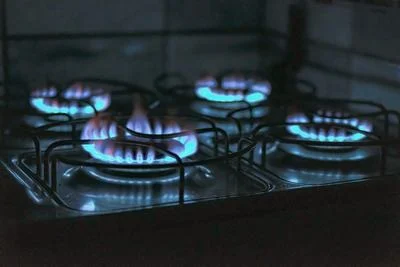
A new study by the California-based think tank PSE Healthy Energy reveals that gas stoves in Europe are leaking benzene, a carcinogenic compound associated with leukemia and other blood cancers. Testing conducted on dozens of stoves in Italy, the United Kingdom, and the Netherlands found that 40 percent released gas while turned off, exposing households to heightened benzene levels.
Benzene occurs naturally in crude oil and natural gas and is a known harmful pollutant found in cigarette smoke. The World Health Organization classifies benzene as a carcinogen with no safe exposure level, highlighting the health risks even at low concentrations.
Significant Benzene Concentrations in Leaked Gas
The study measured benzene levels in unburned natural gas from various stoves, detecting benzene in every sample. Benzene concentrations were substantially higher in European homes than typical levels found in North America. Specifically, benzene levels were 8.6 times higher in Italy, 37 times higher in the U.K., and 66 times higher in the Netherlands compared to typical U.S. and Canadian standards.
Kitchens with significant gas leaks showed benzene exposure levels exceeding those experienced by people living with smokers. The researchers emphasized that many leaks are difficult to detect because natural gas is odorless and relies on added sulfur compounds—which smell like rotten eggs—for detection.
Low Odorant Levels Hinder Leak Detection
In the U.K. and the Netherlands, sulfur levels added to natural gas were found to be low, making the typical rotten-egg smell weak or absent even in the presence of harmful leaks. This raises safety concerns since potentially dangerous benzene emissions can go unnoticed.
The study’s findings were published in the journal Environmental Research Letters. While some scientists unaffiliated with the research noted that benzene exposure from gas stoves is comparable to other urban pollution sources such as road traffic, they acknowledged that replacing gas appliances with electric alternatives could improve indoor air quality by eliminating both leaks and combustion byproducts.
Why it matters
This research draws attention to a largely unrecognized source of indoor air pollution in European homes, underscoring a public health risk tied to widespread use of gas stoves. Benzene’s link to cancer, combined with the difficulty in detecting leaks, points to the need for reassessing safety standards and promoting alternatives to gas cooking appliances.
Background
Natural gas commonly contains benzene, a volatile organic compound harmful to human health. To make gas leaks detectable, providers add sulfur-containing odorants. However, differences in odorant levels and gas formulations across countries can affect leak detection and exposure risk. The debate over the environmental and health impacts of gas appliances has contributed to policies favoring electrification in residential buildings.
Read more Climate & Environment stories on Goka World News.